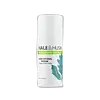
This anti-aging serum is formulated around Retinal and Niacinamide to soften the look of wrinkles and refine skin texture.
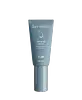
This anti-aging serum is formulated around Niacinamide and Glycolic Acid to soften the look of wrinkles and clear breakouts.

What's inside
What's inside
 Key Ingredients
Benefits
Concerns
Ingredients Side-by-side
Aloe Barbadensis Leaf Juice
Skin Conditioning


Water
Skin ConditioningNiacinamide
Smoothing









Glycerin
Humectant
Cyclodextrin
AbsorbentAlbizia Julibrissin Bark Extract
MaskingPentylene Glycol
Skin Conditioning
Gluconolactone
Chelating
Retinal
Skin Conditioning


Globularia Cordifolia Callus Culture Extract
Skin ConditioningCarnosine
Skin Conditioning
Carnitine
Cleansing
Rubus Chamaemorus Seed Oil
Skin Conditioning

Helianthus Annuus Seed Oil
Emollient
Bisabolol
Antioxidant
Tocopherol
Antioxidant
Tocotrienols
Skin Conditioning
Elaeis Guineensis Oil
Emollient

Lonicera Japonica Flower Extract
Skin ConditioningLonicera Caprifolium Flower Extract
Perfuming
Polysorbate 20
Emulsifying
Xanthan Gum
EmulsifyingSodium Benzoate
Masking
Aloe Barbadensis Leaf Juice, Water, Niacinamide, Glycerin, Cyclodextrin, Albizia Julibrissin Bark Extract, Pentylene Glycol, Gluconolactone, Retinal, Globularia Cordifolia Callus Culture Extract, Carnosine, Carnitine, Rubus Chamaemorus Seed Oil, Helianthus Annuus Seed Oil, Bisabolol, Tocopherol, Tocotrienols, Elaeis Guineensis Oil, Lonicera Japonica Flower Extract, Lonicera Caprifolium Flower Extract, Polysorbate 20, Xanthan Gum, Sodium Benzoate
Water
Skin ConditioningGlycerin
Humectant
Cyclodextrin
AbsorbentCaprylic/Capric Triglyceride
Masking
Niacinamide
Smoothing
Phenoxyethanol
Preservative
Butylene Glycol
Humectant
Glycolic Acid
Buffering

Xanthan Gum
EmulsifyingSclerotium Gum
Emulsion StabilisingPropanediol
Solvent
Rubus Chamaemorus Seed Oil
Skin Conditioning
Potassium Sorbate
Preservative
Ethylhexylglycerin
Skin ConditioningRetinal
Skin Conditioning
Pentylene Glycol
Skin Conditioning
Tetrasodium EDTA
ChelatingLonicera Japonica Flower Extract
Skin ConditioningMirabilis Jalapa Flower/Leaf/Stem Extract
Skin ConditioningLonicera Caprifolium Flower Extract
Perfuming
Rosmarinyl Glucoside
Antioxidant
Caffeyl Glucoside
Antioxidant
Gallyl Glucoside
Antioxidant
Saccharide Isomerate
Humectant
Water, Glycerin, Cyclodextrin, Caprylic/Capric Triglyceride, Niacinamide, Phenoxyethanol, Butylene Glycol, Glycolic Acid, Xanthan Gum, Sclerotium Gum, Propanediol, Rubus Chamaemorus Seed Oil, Potassium Sorbate, Ethylhexylglycerin, Retinal, Pentylene Glycol, Tetrasodium EDTA, Lonicera Japonica Flower Extract, Mirabilis Jalapa Flower/Leaf/Stem Extract, Lonicera Caprifolium Flower Extract, Rosmarinyl Glucoside, Caffeyl Glucoside, Gallyl Glucoside, Saccharide Isomerate
Ingredients Explained
These ingredients are found in both products.
Ingredients higher up in an ingredient list are typically present in a larger amount.
Cyclodextrins are ring-shaped sugar molecules made from starch. It is used to stabilize, protect, and slowly release active ingredients.
This ingredient can help prevent oxidation, reduce irritation from strong actives, and make certain ingredients absorb better once applied.
Once applied to your skin, enzymes gradually break down the cyclodextrin "ring"; this releases the active ingredient in a controlled way.
Learn more about CyclodextrinGlycerin (or glycerol) is a compound naturally found in your skin. It's a powerhouse humectant that pulls water into the stratum corneum.
Topically, glycerin does several things at once:
Your skin makes glycerin on its own (mostly from sebaceous oil breakdown) and shuttles it to your outermost layer of skin, or your epidermis, via aquaporin-3.
Aquaporin-3 is a transporter that is essential for normal skin hydration, elasticity, and repair. Interestingly, mice lacking in AQP3 have dry and less elastic skin that can be fully corrected with glycerin.
This ingredient is non-irritating, plays well with almost every ingredient, and works across all skin types. Typical use is anywhere between 3-10% but can go up to 79% in some leave-on products.
Just know very high concentrations (>40%) can feel tacky in low humidity.
Glycerin is the name for this ingredient in American English. British English uses Glycerol/Glycerine.
Learn more about GlycerinThis Honeysuckle flower extract comes from the Italian honeysuckle. It is an antioxidant, antimicrobial, and fragrance.
Both this and the Japanese Honeysuckle are rich in a natural paraben that give it antimicrobial property. They are effective in inhibiting bacteria, yeast, and mold.
Honeysuckle contains flavonoids and saponins. Both of these components are natural antioxidants that can help soothe the skin.
As most flowers do, honeysuckle has a natural fragrance.
Learn more about Lonicera Caprifolium Flower ExtractLonicera Japonica Flower Extract comes from the honeysuckle flower.
Honeysuckles have skin protecting, anti-viral, and anti-inflammatory properties. It contains many antioxidants, such as luteolin, caffeic acid, loniflavone, and chlorogenic acids.
This honeysuckle is native to East Asia and used in traditional Chinese medicine to treat fever and inflammation.
Learn more about Lonicera Japonica Flower ExtractNiacinamide is a multitasking form of vitamin B3 that strengthens the skin barrier, reduces pores and dark spots, regulates oil, and improves signs of aging.
And the best part? It's gentle and well-tolerated by most skin types, including sensitive and reactive skin.
You might have heard of "niacin flush", or the reddening of skin that causes itchiness. Niacinamide has not been found to cause this.
In very rare cases, some individuals may not be able to tolerate niacinamide at all or experience an allergic reaction to it.
If you are experiencing flaking, irritation, and dryness with this ingredient, be sure to double check all your products as this ingredient can be found in all categories of skincare.
When incorporating niacinamide into your routine, look out for concentration amounts. Typically, 5% niacinamide provides benefits such as fading dark spots. However, if you have sensitive skin, it is better to begin with a smaller concentration.
When you apply niacinamide to your skin, your body converts it into nicotinamide adenine dinucleotide (NAD). NAD is an essential coenzyme that is already found in your cells as "fuel" and powers countless biological processes.
In your skin, NAD helps repair cell damage, produce new healthy cells, support collagen production, strengthen the skin barrier, and fight environmental stressors (like UV and pollution).
Our natural NAD levels start to decline with age, leading to slower skin repair, visible aging, and a weaker skin barrier. By providing your skin niacinamide, you're recharging your skin's NAD levels. This leads to stronger, healthier, and younger looking skin.
Another name for vitamin B3 is nicotinamide. This vitamin is water-soluble and our bodies don't store it. We obtain Vitamin B3 from either food or skincare. Meat, fish, wheat, yeast, and leafy greens contain vitamin B3.
The type of niacinamide used in skincare is synthetically created.
Learn more about NiacinamidePentylene Glycol (1,2-pentanediol) is a multitasking little diol with three main roles in a formula:
Research on alkanediols (the family pentylene glycol belongs to) show they work by disrupting microbial cell membranes. This disruption helps the primary preservative system in a product work more effectively at lower doses.
On the safety side, the Cosmetic Ingredient Review Expert Panel has concluded this ingredient to be safe as used in current cosmetic practices + concentrations.
Typical use levels in a formula run about 1-5%.
Learn more about Pentylene GlycolRetinal (aka retinaldehyde) is a form of retinoid that formulators use mainly as an antiaging and skin-renewing active.
What makes it special is its position in the retinoid family; skin converts it to retinoic acid (the prescription gold standard) in just one step.
Because retinal only requires 1 conversion step to become retinoic acid, it's the strongest over-the-counter retinoid. It also works at lower concentrations than retinol, since retinal is about 10x more bioavailable.
Studies back up its efficacy in skin:
A foundational trial showed that applying 0.05-0.5% retinal for 1-3 months produced a dose-dependent and significant increase in epidermal thickness + cell turnover markers.
And a head-to-head comparison of 0.05% retinal against a 0.05% retinoid acid found both formulations were effective for the basis of wrinkle/skin roughness features, but retinoic acid caused more local irritation.
More recent controlled trials confirm it improves wrinkles, dermal density, and firmness over 12-24 weeks, with significant improvements in skin texture and firmness (particularly with the higher 0.1% concentration).
Retinal also has one trick the other retinoids do not: it directly fights against acne bacteria since a clinical study showed retinaldehyde-treated areas displayed a significant decrease in counts of viable P. acnes.
This makes it a great pick for people who want to treat aging and breakouts.
Typical cosmetic use sits in the 0.05-0.1% range with 0.05% being the gentle starting point and 0.1% giving stronger results.
Like all retinoids, retinal works best with nightly use, a good moisturizer, and daytime sunscreen. It can cause some irritation so ease into it slowly rather than going all in.
The "ramp up" method works well: start with Retinal once a week to give your skin time to adjust, which keeps irritation low.
Slowly add more nights until you reach your goal frequency once your skin feels comfortable.
Retinoids also make your skin more sensitive to the sun in the first few weeks, so wear sunscreen every morning and protect your skin from direct sun while you build up tolerance.
Learn more about RetinalCloudberry seed oil is rich in vitamin C, citric acid, malic acid, vitamin C, and beta-carotene.
Water. It's the most common cosmetic ingredient of all. You'll usually see it at the top of ingredient lists, meaning that it makes up the largest part of the product.
So why is it so popular? Water most often acts as a solvent - this means that it helps dissolve other ingredients into the formulation.
You'll also recognize water as that liquid we all need to stay alive. If you see this, drink a glass of water. Remember to stay hydrated!
Learn more about WaterXanthan gum is used as a stabilizer and thickener within cosmetic products. It helps give products a sticky, thick feeling - preventing them from being too runny.
On the technical side of things, xanthan gum is a polysaccharide - a combination consisting of multiple sugar molecules bonded together.
Xanthan gum is a pretty common and great ingredient. It is a natural, non-toxic, non-irritating ingredient that is also commonly used in food products.
Learn more about Xanthan Gum

