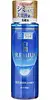
This brightening moisturizer is formulated around Arbutin and Magnesium Ascorbyl Phosphate to fade the look of dark spots and brighten dull-looking skin.
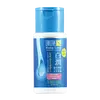
This brightening toner is formulated around Tranexamic Acid and Dipotassium Glycyrrhizate to fade the look of dark spots and calm redness.

What's inside
What's inside
 Key Ingredients
Benefits
Concerns
Ingredients Side-by-side
Water
Skin ConditioningDipropylene Glycol
HumectantTriethylhexanoin
MaskingIsopropyl Palmitate
Emollient




Arbutin
Antioxidant




Glycerin
Humectant

Glyceryl Stearate Se
Emulsifying
Pentylene Glycol
Skin Conditioning
PEG-20 Sorbitan Isostearate
Emulsifying
Cetyl Alcohol
Emollient

Limnanthes Alba Seed Oil
Skin Conditioning
Xanthan Gum
EmulsifyingHydroxyethyl Ethylcellulose
EmulsifyingMethylparaben
Preservative


Disodium EDTA
Carbomer
Emulsion StabilisingTriethanolamine
BufferingSodium Hyaluronate
Humectant


Magnesium Ascorbyl Phosphate
Antioxidant


Water, Dipropylene Glycol, Triethylhexanoin, Isopropyl Palmitate, Arbutin, Glycerin, Glyceryl Stearate Se, Pentylene Glycol, PEG-20 Sorbitan Isostearate, Cetyl Alcohol, Limnanthes Alba Seed Oil, Xanthan Gum, Hydroxyethyl Ethylcellulose, Methylparaben, Disodium EDTA, Carbomer, Triethanolamine, Sodium Hyaluronate, Magnesium Ascorbyl Phosphate
Tranexamic Acid
Astringent

Dipotassium Glycyrrhizate
Humectant
Sodium Hyaluronate
Humectant
Cetyl Phosphate
EmulsifyingTocopherol
Antioxidant
Butylene Glycol
Humectant
Glycerin
Humectant
Diglycerin
Humectant
Benzyl Glycol
SolventDipropylene Glycol
HumectantPEG-30 Dipolyhydroxystearate
Emulsifying
PEG-8
HumectantHydrolyzed Phospholipids
Skin ConditioningCitraconic Anhydride
EDTA
Styrene/Vp Copolymer
Polysorbate 20
Emulsifying
Phenoxyethanol
Preservative
Tranexamic Acid, Dipotassium Glycyrrhizate, Sodium Hyaluronate, Cetyl Phosphate, Tocopherol, Butylene Glycol, Glycerin, Diglycerin, Benzyl Glycol, Dipropylene Glycol, PEG-30 Dipolyhydroxystearate, PEG-8, Hydrolyzed Phospholipids, Citraconic Anhydride, EDTA, Styrene/Vp Copolymer, Polysorbate 20, Phenoxyethanol
Reviews
Ingredients Explained
These ingredients are found in both products.
Ingredients higher up in an ingredient list are typically present in a larger amount.
Dipropylene Glycol is a synthetically created humectant, stabilizer, and solvent.
This ingredient helps:
Dipropylene glycol is technically an alcohol, but it belongs to the glycol family (often considered part of the ‘good’ alcohols). This means it is hydrating and gentle on skin unlike drying solvent alcohols like denatured alcohol.
As a masking agent, Dipropylene Glycol can be used to cover the smell of other ingredients. However, it does not have a scent.
Studies show Dipropylene Glycol is considered safe to use in skincare.
Learn more about Dipropylene GlycolGlycerin (or glycerol) is a compound naturally found in your skin. It's a powerhouse humectant that pulls water into the stratum corneum.
Topically, glycerin does several things at once:
Your skin makes glycerin on its own (mostly from sebaceous oil breakdown) and shuttles it to your outermost layer of skin, or your epidermis, via aquaporin-3.
Aquaporin-3 is a transporter that is essential for normal skin hydration, elasticity, and repair. Interestingly, mice lacking in AQP3 have dry and less elastic skin that can be fully corrected with glycerin.
This ingredient is non-irritating, plays well with almost every ingredient, and works across all skin types. Typical use is anywhere between 3-10% but can go up to 79% in some leave-on products.
Just know very high concentrations (>40%) can feel tacky in low humidity.
Glycerin is the name for this ingredient in American English. British English uses Glycerol/Glycerine.
Learn more about GlycerinSodium Hyaluronate is the salt form of hyaluronic acid. It is a long sugar chain that is naturally found in your skin, joints, and connective tissue that maintains hydration and elasticity.
In skincare, it works as a humectant. It pulls water from the environment and deeper layers of skin and binds it to the surface.
Interestingly, the size of the molecule affects its behavior:
Some clinical evidence links low molecular weight versions to improved wrinkle depth, elasticity, anti-inflammatory effects, and barrier repair.
Many serums use a blend of both weights so you can get surface hydration plus longer-lasting and deeper effects.
You'll typically see concentrations between 0.1-2% for this ingredient.
Learn more about Sodium Hyaluronate


