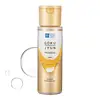
This hydrating essence is formulated around Sodium Hyaluronate to hydrate skin and strengthen the skin barrier.
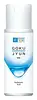
This hydrating emulsion is formulated around Sodium Hyaluronate and Hydrolyzed Hyaluronic Acid to hydrate skin and strengthen the skin barrier.

What's inside
What's inside
 Key Ingredients
Benefits
Concerns
No concerns
Ingredients Side-by-side
Water
Skin ConditioningButylene Glycol
Humectant

Hydroxyethyl Urea
Humectant
Pentylene Glycol
Skin Conditioning
PPG-10 Methyl Glucose Ether
Skin ConditioningDipropylene Glycol
HumectantDiglycerin
Humectant
Triethyl Citrate
Masking

PEG-32
HumectantLactococcus/Hyaluronic Acid Ferment Filtrate

Sodium Hyaluronate
Humectant

Sodium Acetylated Hyaluronate
Humectant
Hydrolyzed Hyaluronic Acid
Humectant
Hydrolyzed Sodium Hyaluronate
Skin Conditioning
Hydroxypropyltrimonium Hyaluronate
Sodium Hyaluronate Crosspolymer
Humectant
Aphanothece Sacrum Exopolysaccharides
AbsorbentCarbomer
Emulsion StabilisingPEG-75
HumectantPhenoxyethanol
Preservative
Glycosyl Trehalose
Emulsion StabilisingDisodium Succinate
MaskingSorbitol
Humectant
Propanediol
Solvent
Hydrogenated Starch Hydrolysate
HumectantDiethoxyethyl Succinate
SolventPotassium Hydroxide
BufferingSuccinic Acid
BufferingDisodium EDTA
ChelatingPolyquaternium-51
Skin Conditioning
Caprylhydroxamic Acid
ChelatingHydroxyethylcellulose
Emulsion StabilisingXanthan Gum
EmulsifyingWater, Butylene Glycol, Hydroxyethyl Urea, Pentylene Glycol, PPG-10 Methyl Glucose Ether, Dipropylene Glycol, Diglycerin, Triethyl Citrate, PEG-32, Lactococcus/Hyaluronic Acid Ferment Filtrate, Sodium Hyaluronate, Sodium Acetylated Hyaluronate, Hydrolyzed Hyaluronic Acid, Hydrolyzed Sodium Hyaluronate, Hydroxypropyltrimonium Hyaluronate, Sodium Hyaluronate Crosspolymer, Aphanothece Sacrum Exopolysaccharides, Carbomer, PEG-75, Phenoxyethanol, Glycosyl Trehalose, Disodium Succinate, Sorbitol, Propanediol, Hydrogenated Starch Hydrolysate, Diethoxyethyl Succinate, Potassium Hydroxide, Succinic Acid, Disodium EDTA, Polyquaternium-51, Caprylhydroxamic Acid, Hydroxyethylcellulose, Xanthan Gum
Water
Skin ConditioningGlycerin
Humectant
Caprylic/Capric Triglyceride
Masking
Dipropylene Glycol
HumectantHydrogenated Poly(C6-12 Olefin)
Skin ConditioningPentylene Glycol
Skin Conditioning
PPG-10 Methyl Glucose Ether
Skin ConditioningCeteth-23
CleansingGlyceryl Stearate
Emollient

Stearyl Alcohol
Emollient
Carbomer
Emulsion StabilisingBehenyl Alcohol
Emollient
Arginine
Masking
Propanediol
Solvent
Sodium Hyaluronate
Humectant
Disodium EDTA
ChelatingPhytosteryl/Octyldodecyl Lauroyl Glutamate
Skin ConditioningCaprylhydroxamic Acid
ChelatingButylene Glycol
Humectant
Hydrolyzed Hyaluronic Acid
Humectant
Sodium Acetylated Hyaluronate
Humectant
Lactococcus/Hyaluronic Acid Ferment Filtrate
Water, Glycerin, Caprylic/Capric Triglyceride, Dipropylene Glycol, Hydrogenated Poly(C6-12 Olefin), Pentylene Glycol, PPG-10 Methyl Glucose Ether, Ceteth-23, Glyceryl Stearate, Stearyl Alcohol, Carbomer, Behenyl Alcohol, Arginine, Propanediol, Sodium Hyaluronate, Disodium EDTA, Phytosteryl/Octyldodecyl Lauroyl Glutamate, Caprylhydroxamic Acid, Butylene Glycol, Hydrolyzed Hyaluronic Acid, Sodium Acetylated Hyaluronate, Lactococcus/Hyaluronic Acid Ferment Filtrate
Reviews
Ingredients Explained
These ingredients are found in both products.
Ingredients higher up in an ingredient list are typically present in a larger amount.
Butylene Glycol (or BG) is used within cosmetic products for a few different reasons:
Overall, Butylene Glycol is a safe and well-rounded ingredient that works well with other ingredients.
Though this ingredient works well with most skin types, some people with sensitive skin may experience a reaction such as allergic rashes, closed comedones, or itchiness.
Learn more about Butylene GlycolCaprylhydroxamic Acid is a chelating agent that helps cosmetics stay fresh, stable, and consistent over time.
Chelating agents help prevent metal ions from binding to other ingredients. This helps prevent unwanted reactions and effects from using the product. It also helps prevent the growth of unwanted microbes in products that contain water.
Caprylhydroxamic Acid is often used with natural antimicrobial products as an alternative to preservatives.
Learn more about Caprylhydroxamic AcidCarbomer is a synthetic thickening and gelling agent. It's basically the ingredient that gives a lot of serums, gels, creams, and sunscreens their smooth, non-sticky texture.
Although legally permitted at very high levels, carbomers are normally used at concentrations below 1%.
It also needs to be neutralized to actually thicken, and because it is a large molecule, it doesn't really penetrate the skin barrier.
Allergy-wise, the risk is very low. Clinical studies show carbomers have low potential for skin irritation/sensitization even at concentrations up to 100%.
A 2024 UK study patch-tested 1,302 patients and found true allergy to the parent group of carbomer to be rare with no confirmed relevant reactions.
Learn more about CarbomerDipropylene Glycol is a synthetically created humectant, stabilizer, and solvent.
This ingredient helps:
Dipropylene glycol is technically an alcohol, but it belongs to the glycol family (often considered part of the ‘good’ alcohols). This means it is hydrating and gentle on skin unlike drying solvent alcohols like denatured alcohol.
As a masking agent, Dipropylene Glycol can be used to cover the smell of other ingredients. However, it does not have a scent.
Studies show Dipropylene Glycol is considered safe to use in skincare.
Learn more about Dipropylene GlycolDisodium EDTA is a chelating agent. It grabs onto and deactivates metal ions that sneak into your products from water, packaging, or air.
This ingredient mainly works behind the scenes and helps with:
On top of that, this ingredient can counteract the effects of hard water by binding to the minerals in it.
One thing worth knowing is that Disodium EDTA has been shown to be a mild penetration enhancer. It can help other ingredients absorb into skin more effectively which can be a double-edged sword (great for actives, but can also make the active too strong if you have sensitive skin).
Clinical patch testing showed no significant skin irritation at typical use concentrations and minimal dermal absorption.
You'll most likely see this ingredient near the end of an ingredient list. It's typically found in concentrations less than 1%.
Learn more about Disodium EDTAHydrolyzed Hyaluronic Acid is hyaluronic acid (HA) that is broken down into lower molecular weight fragments.
It's a humectant that pulls and holds water in the skin to help with hydration, plumpness, and reduce transepidermal water loss.
Because hydrolyzed hyaluronic acid is smaller in size, it can slip past your outermost layer of skin more easily than full-sized HA.
Most formulations will combine all sizes to get the best of both worlds.
Typical usage levels range from 0.01-1%. Any percentage higher than 2% might become goopy and tacky.
Learn more about Hydrolyzed Hyaluronic AcidPentylene Glycol (1,2-pentanediol) is a multitasking little diol with three main roles in a formula:
Research on alkanediols (the family pentylene glycol belongs to) show they work by disrupting microbial cell membranes. This disruption helps the primary preservative system in a product work more effectively at lower doses.
On the safety side, the Cosmetic Ingredient Review Expert Panel has concluded this ingredient to be safe as used in current cosmetic practices + concentrations.
Typical use levels in a formula run about 1-5%.
Learn more about Pentylene GlycolWe don't have a description for PPG-10 Methyl Glucose Ether yet.
Propanediol is an all-star ingredient. It softens, hydrates, and smooths the skin.
It’s often used to:
Propanediol is not likely to cause sensitivity and considered safe to use. It is derived from corn or petroleum with a clear color and no scent.
Learn more about PropanediolSodium Acetylated Hyaluronate is a type of Hyaluronic Acid.
Hyaluronic Acids help moisturize, soothe, and protect the skin.
Read about common types of Hyaluronic Acid here:
Learn more about Sodium Acetylated HyaluronateSodium Hyaluronate is the salt form of hyaluronic acid. It is a long sugar chain that is naturally found in your skin, joints, and connective tissue that maintains hydration and elasticity.
In skincare, it works as a humectant. It pulls water from the environment and deeper layers of skin and binds it to the surface.
Interestingly, the size of the molecule affects its behavior:
Some clinical evidence links low molecular weight versions to improved wrinkle depth, elasticity, anti-inflammatory effects, and barrier repair.
Many serums use a blend of both weights so you can get surface hydration plus longer-lasting and deeper effects.
You'll typically see concentrations between 0.1-2% for this ingredient.
Learn more about Sodium HyaluronateWater. It's the most common cosmetic ingredient of all. You'll usually see it at the top of ingredient lists, meaning that it makes up the largest part of the product.
So why is it so popular? Water most often acts as a solvent - this means that it helps dissolve other ingredients into the formulation.
You'll also recognize water as that liquid we all need to stay alive. If you see this, drink a glass of water. Remember to stay hydrated!
Learn more about WaterLactococcus/Hyaluronic Acid Ferment Filtrate is a filtrate of the product obtained by the fermentation of Hyaluronic Acid by the microorganism Lactococcus.


