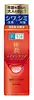
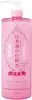
Hada Labo Gokujyun Aging Care Firming Lotion Versus Kiku-Masamune Sake Brewing Sake Skin Care Lotion

What's inside
What's inside
 Key Ingredients
Benefits
Concerns
No concerns
Ingredients Side-by-side
Niacinamide
Smoothing











Sodium Hyaluronate
Humectant

Hydrolyzed Hyaluronic Acid
Humectant
Sodium Acetylated Hyaluronate
Humectant
Acetyl Glucosamine
Skin Conditioning
Sorbus Aucuparia Fruit Extract
Skin ConditioningButylene Glycol
Humectant
Glycerin
Humectant
Pentylene Glycol
Skin Conditioning
PEG-30 Dipolyhydroxystearate
Emulsifying
PPG-13-Decyltetradeceth-24
EmulsifyingBeheneth-30
CleansingLimnanthes Alba Seed Oil
Skin Conditioning
Carbomer
Emulsion StabilisingTriethanolamine
BufferingEDTA
Hydroxyethylcellulose
Emulsion StabilisingPhenoxyethanol
Preservative
Niacinamide, Sodium Hyaluronate, Hydrolyzed Hyaluronic Acid, Sodium Acetylated Hyaluronate, Acetyl Glucosamine, Sorbus Aucuparia Fruit Extract, Butylene Glycol, Glycerin, Pentylene Glycol, PEG-30 Dipolyhydroxystearate, PPG-13-Decyltetradeceth-24, Beheneth-30, Limnanthes Alba Seed Oil, Carbomer, Triethanolamine, EDTA, Hydroxyethylcellulose, Phenoxyethanol
Water
Skin ConditioningGlycerin
Humectant
Butylene Glycol
Humectant
Rice Ferment Lees
HumectantGlutamic Acid
Humectant
Arginine
Masking
Leucine
Skin ConditioningCeramide NP
Skin Conditioning
Ceramide AP
Skin Conditioning
Placental Extract
Arbutin
Antioxidant

Glycyrrhetinic Acid
Skin Conditioning
Soy Protein Phthalate
EmollientMaltitol
HumectantMethyl Gluceth-10
EmulsifyingPEG-60 Hydrogenated Castor Oil
Emulsifying
Hydroxyethylcellulose
Emulsion StabilisingStyrene/Acrylates Copolymer
Citric Acid
Buffering

Sodium Citrate
BufferingPhenoxyethanol
Preservative
Methylparaben
Preservative


Parfum
Masking

Water, Glycerin, Butylene Glycol, Rice Ferment Lees, Glutamic Acid, Arginine, Leucine, Ceramide NP, Ceramide AP, Placental Extract, Arbutin, Glycyrrhetinic Acid, Soy Protein Phthalate, Maltitol, Methyl Gluceth-10, PEG-60 Hydrogenated Castor Oil, Hydroxyethylcellulose, Styrene/Acrylates Copolymer, Citric Acid, Sodium Citrate, Phenoxyethanol, Methylparaben, Parfum
Reviews
Ingredients Explained
These ingredients are found in both products.
Ingredients higher up in an ingredient list are typically present in a larger amount.
Butylene Glycol (or BG) is used within cosmetic products for a few different reasons:
Overall, Butylene Glycol is a safe and well-rounded ingredient that works well with other ingredients.
Though this ingredient works well with most skin types, some people with sensitive skin may experience a reaction such as allergic rashes, closed comedones, or itchiness.
Learn more about Butylene GlycolGlycerin (or glycerol) is a compound naturally found in your skin. It's a powerhouse humectant that pulls water into the stratum corneum.
Topically, glycerin does several things at once:
Your skin makes glycerin on its own (mostly from sebaceous oil breakdown) and shuttles it to your outermost layer of skin, or your epidermis, via aquaporin-3.
Aquaporin-3 is a transporter that is essential for normal skin hydration, elasticity, and repair. Interestingly, mice lacking in AQP3 have dry and less elastic skin that can be fully corrected with glycerin.
This ingredient is non-irritating, plays well with almost every ingredient, and works across all skin types. Typical use is anywhere between 3-10% but can go up to 79% in some leave-on products.
Just know very high concentrations (>40%) can feel tacky in low humidity.
Glycerin is the name for this ingredient in American English. British English uses Glycerol/Glycerine.
Learn more about GlycerinHydroxyethylcellulose is used to improve the texture of products. It is created from a chemical reaction involving ethylene oxide and alkali-cellulose. Cellulose is a sugar found in plant cell walls and help give plants structure.
This ingredient helps stabilize products by preventing ingredients from separating. It can also help thicken the texture of a product.
This ingredient can also be found in pill medicines to help our bodies digest other ingredients.
Learn more about HydroxyethylcellulosePhenoxyethanol is a preservative that has germicide, antimicrobial, and aromatic properties. Studies show that phenoxyethanol can prevent microbial growth. By itself, it has a scent that is similar to that of a rose.
It's often used in formulations along with Caprylyl Glycol to preserve the shelf life of products.

