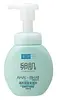
This salicylic acid foaming cleanser is formulated around Salicylic Acid to clear breakouts and unclog pores.

What's inside
What's inside
 Key Ingredients
Benefits
Concerns
Ingredients Side-by-side
Water
Skin ConditioningDisodium Cocoyl Glutamate
Cleansing
Sodium Cocoyl Glutamate
Cleansing
Tea-Cocoyl Alaninate
Cleansing
Butylene Glycol
Humectant

Sodium Cocoamphoacetate
CleansingSodium Lactate
Buffering
Polyglyceryl-10 Laurate
Skin Conditioning

Glycolic Acid
Buffering










Hydroxyacetophenone
Antioxidant
Salicylic Acid
Masking



Phytic Acid
Chelating
Glycerin
Humectant
Moringa Oleifera Seed Extract
Skin Conditioning
Biosaccharide Gum-4
Skin Conditioning
1,2-Hexanediol
Skin Conditioning
Water, Disodium Cocoyl Glutamate, Sodium Cocoyl Glutamate, Tea-Cocoyl Alaninate, Butylene Glycol, Sodium Cocoamphoacetate, Sodium Lactate, Polyglyceryl-10 Laurate, Glycolic Acid, Hydroxyacetophenone, Salicylic Acid, Phytic Acid, Glycerin, Moringa Oleifera Seed Extract, Biosaccharide Gum-4, 1,2-Hexanediol
Glycerin
Humectant
Potassium Cocoyl Glycinate
Surfactant
Water
Skin ConditioningPropanediol
Solvent
Citric Acid
Buffering
Potassium Chloride
Glycol Distearate
Emollient
Coconut Acid
Cleansing
Caprylic/Capric Glycerides Polyglyceryl-10 Esters
EmollientPotassium Cocoate
Emulsifying
Phytosteryl/Octyldodecyl Lauroyl Glutamate
Skin ConditioningChlorphenesin
Antimicrobial
Sodium Acetylated Hyaluronate
Humectant
Phytic Acid
Chelating
Sodium PCA
Humectant
Sodium Lactate
Buffering
Arginine
Masking
Aspartic Acid
Masking
PCA
Humectant
1,2-Hexanediol
Skin Conditioning
Phenoxyethanol
Preservative
Moringa Oleifera Seed Extract
Skin Conditioning
Glycine
Buffering
Biosaccharide Gum-4
Skin Conditioning
Alanine
Masking
Hydroxypropyltrimonium Hyaluronate
Serine
Masking
Disodium Phosphate
BufferingValine
MaskingThreonine
Proline
Skin Conditioning
Isoleucine
Skin ConditioningPhenylalanine
Masking
Histidine
Humectant
Methylparaben
Preservative

Glycerin, Potassium Cocoyl Glycinate, Water, Propanediol, Citric Acid, Potassium Chloride, Glycol Distearate, Coconut Acid, Caprylic/Capric Glycerides Polyglyceryl-10 Esters, Potassium Cocoate, Phytosteryl/Octyldodecyl Lauroyl Glutamate, Chlorphenesin, Sodium Acetylated Hyaluronate, Phytic Acid, Sodium PCA, Sodium Lactate, Arginine, Aspartic Acid, PCA, 1,2-Hexanediol, Phenoxyethanol, Moringa Oleifera Seed Extract, Glycine, Biosaccharide Gum-4, Alanine, Hydroxypropyltrimonium Hyaluronate, Serine, Disodium Phosphate, Valine, Threonine, Proline, Isoleucine, Phenylalanine, Histidine, Methylparaben
Reviews
Ingredients Explained
These ingredients are found in both products.
Ingredients higher up in an ingredient list are typically present in a larger amount.
1,2-Hexanediol is a synthetic liquid and another multi-functional powerhouse.
It is a:
- Humectant, drawing moisture into the skin
- Emollient, helping to soften skin
- Solvent, dispersing and stabilizing formulas
- Preservative booster, enhancing the antimicrobial activity of other preservatives
This is a fermented gum derived from sorbitol, a sugar alcohol.
According to a manufacturer, this ingredient's high molecular weight makes it an effective emollient.
Emollients help keep the skin hydrated by preventing water from evaporating.
Learn more about Biosaccharide Gum-4Glycerin (or glycerol) is a compound naturally found in your skin. It's a powerhouse humectant that pulls water into the stratum corneum.
Topically, glycerin does several things at once:
Your skin makes glycerin on its own (mostly from sebaceous oil breakdown) and shuttles it to your outermost layer of skin, or your epidermis, via aquaporin-3.
Aquaporin-3 is a transporter that is essential for normal skin hydration, elasticity, and repair. Interestingly, mice lacking in AQP3 have dry and less elastic skin that can be fully corrected with glycerin.
This ingredient is non-irritating, plays well with almost every ingredient, and works across all skin types. Typical use is anywhere between 3-10% but can go up to 79% in some leave-on products.
Just know very high concentrations (>40%) can feel tacky in low humidity.
Glycerin is the name for this ingredient in American English. British English uses Glycerol/Glycerine.
Learn more about GlycerinMoringa Oleifera Seed Extract comes from the seeds of the Moringa oleifera plant.
Moringa seeds have antioxidant, anti-inflammatory, and skin hydrating properties. These seeds are rich in oils, proteins, monounsaturated fats, and tocopherols.
As an emollient, moringa seed oil helps trap moisture in the skin by creating a film on top. This helps keep your skin hydrated and soft.
Many compounds in moringa seed oil are antioxidant and anti-inflammatory. These compounds include Vitamin E. , catechins, ferulic acid, and more.
Another compound found in Moringa seed oil is oleic acid.
Moringa trees are native to the Himalayan mountains.
Learn more about Moringa Oleifera Seed ExtractPhytic Acid is a gentle AHA and antioxidant. AHAs are chemical exfoliants that help remove dead skin cells. Phytic Acid has a slight and mild exfoliating effect.
The chemical makeup makes it classified as an AHA, much like lactic acid.
In some cases, it is a chelating agent. Chelating agents help prevent metals from binding to water, helping to stabilize the ingredients in a product.
An interesting fact about phytic acid is that it is considered an antinutrient. People do not have the enzyme needed to properly breakdown and digest phytic acid. When ingested, phytic acid binds to minerals and prevents them from being absorbed.
Read more about some other popular AHA's here:
Learn more about Phytic AcidSodium Lactate is the sodium salt of lactic acid, an AHA. It is a humectant and sometimes used to adjust the pH of a product.
This ingredient is part of our skin's NMF, or natural moisturizing factor. Our NMF is essential for the hydration of our top skin layers and plasticity of skin. NMF also influences our skin's natural acid mantle and pH, which protects our skin from harmful bacteria.
High percentages of Sodium Lactate can have an exfoliating effect.
Fun fact: Sodium Lactate is produced from fermented sugar.
Learn more about Sodium LactateWater. It's the most common cosmetic ingredient of all. You'll usually see it at the top of ingredient lists, meaning that it makes up the largest part of the product.
So why is it so popular? Water most often acts as a solvent - this means that it helps dissolve other ingredients into the formulation.
You'll also recognize water as that liquid we all need to stay alive. If you see this, drink a glass of water. Remember to stay hydrated!
Learn more about Water

