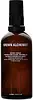
This calming toner is formulated around Rosa Damascena Flower Water and Panax Ginseng Root Extract to calm redness and hydrate skin.
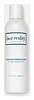
This hydrating toner is formulated around Sodium PCA and Gluconolactone to hydrate skin and balance excess oil.


What's inside
What's inside
 Key Ingredients
Benefits
Concerns
Ingredients Side-by-side
Water
Skin ConditioningRosa Damascena Flower Water
Masking

Sodium PCA
Humectant

Yeast Extract
Skin ConditioningSodium Benzoate
Masking
Fructose
Humectant
Glycerin
Humectant
Withania Somnifera Root Extract
Skin Conditioning
Hydrolyzed Algin
Oligopeptide-1
Skin Conditioning



Sodium Hyaluronate
Humectant
Ginkgo Biloba Leaf Extract
Skin Conditioning
Panax Ginseng Root Extract
Emollient
Ganoderma Lucidum Extract
Skin Protecting
Rhodiola Rosea Root Extract
EmollientRibes Nigrum Callus Extract
Antioxidant
Sodium Phytate
ChelatingCitronellol
Perfuming




Linalool
Perfuming
Geraniol
Perfuming
Water, Rosa Damascena Flower Water, Sodium PCA, Yeast Extract, Sodium Benzoate, Fructose, Glycerin, Withania Somnifera Root Extract, Hydrolyzed Algin, Oligopeptide-1, Sodium Hyaluronate, Ginkgo Biloba Leaf Extract, Panax Ginseng Root Extract, Ganoderma Lucidum Extract, Rhodiola Rosea Root Extract, Ribes Nigrum Callus Extract, Sodium Phytate, Citronellol, Linalool, Geraniol
Hamamelis Virginiana Water
Astringent
Water
Skin ConditioningAlcohol
Antimicrobial
Glycerin
Humectant
Polysorbate 20
Emulsifying
Leuconostoc/Radish Root Ferment Filtrate
Antimicrobial
Sodium Lactate
Buffering
Sodium PCA
Humectant
Sodium Gluconate
ChelatingO-Cymen-5-Ol
Antimicrobial
Sorbitol
Humectant
Proline
Skin Conditioning
Fructooligosaccharides
Humectant
Glucosamine Hcl
Gluconolactone
Chelating




Sodium Hyaluronate
Humectant
Sodium Benzoate
Masking
Phenethyl Alcohol
MaskingCaprylyl Glycol
Emollient
Potassium Sorbate
Preservative
Hamamelis Virginiana Water, Water, Alcohol, Glycerin, Polysorbate 20, Leuconostoc/Radish Root Ferment Filtrate, Sodium Lactate, Sodium PCA, Sodium Gluconate, O-Cymen-5-Ol, Sorbitol, Proline, Fructooligosaccharides, Glucosamine Hcl, Gluconolactone, Sodium Hyaluronate, Sodium Benzoate, Phenethyl Alcohol, Caprylyl Glycol, Potassium Sorbate
Reviews
Ingredients Explained
These ingredients are found in both products.
Ingredients higher up in an ingredient list are typically present in a larger amount.
Glycerin (or glycerol) is a compound naturally found in your skin. It's a powerhouse humectant that pulls water into the stratum corneum.
Topically, glycerin does several things at once:
Your skin makes glycerin on its own (mostly from sebaceous oil breakdown) and shuttles it to your outermost layer of skin, or your epidermis, via aquaporin-3.
Aquaporin-3 is a transporter that is essential for normal skin hydration, elasticity, and repair. Interestingly, mice lacking in AQP3 have dry and less elastic skin that can be fully corrected with glycerin.
This ingredient is non-irritating, plays well with almost every ingredient, and works across all skin types. Typical use is anywhere between 3-10% but can go up to 79% in some leave-on products.
Just know very high concentrations (>40%) can feel tacky in low humidity.
Glycerin is the name for this ingredient in American English. British English uses Glycerol/Glycerine.
Learn more about GlycerinSodium Benzoate is a preservative. It's used in both cosmetic and food products to inhibit the growth of mold and bacteria. It is typically produced synthetically.
Both the US FDA and EU Health Committee have approved the use of sodium benzoate. In the US, levels of 0.1% (of the total product) are allowed.
Sodium benzoate works as a preservative by inhibiting the growth of bacteria inside of cells. It prevents the cell from fermenting a type of sugar using an enzyme called phosphofructokinase.
It is the salt of benzoic acid. Foods containing sodium benzoate include soda, salad dressings, condiments, fruit juices, wines, and snack foods.
Studies for using ascorbic acid and sodium benzoate in cosmetics are lacking, especially in skincare routines with multiple steps.
We always recommend speaking with a professional, such as a dermatologist, if you have any concerns.
Learn more about Sodium BenzoateSodium Hyaluronate is the salt form of hyaluronic acid. It is a long sugar chain that is naturally found in your skin, joints, and connective tissue that maintains hydration and elasticity.
In skincare, it works as a humectant. It pulls water from the environment and deeper layers of skin and binds it to the surface.
Interestingly, the size of the molecule affects its behavior:
Some clinical evidence links low molecular weight versions to improved wrinkle depth, elasticity, anti-inflammatory effects, and barrier repair.
Many serums use a blend of both weights so you can get surface hydration plus longer-lasting and deeper effects.
You'll typically see concentrations between 0.1-2% for this ingredient.
Learn more about Sodium HyaluronateSodium PCA (the salt of PCA) is one of the most well-established humectants in skincare.
Why is it so special? Your skin already makes it naturally; it's a natural component of your skin's Natural Moisturizing Factor (NMF), or the mix of water-binding compounds inside your skin cells that keeps things soft and hydrated.
As a cosmetic ingredient, it grabs water and holds it in the upper layers of skin to smooth roughness and ease dehydration.
There's some clinical support for the NMF approach with a study showing that a cream built to mimic the skin's NMF significantly boosted hydration.
Safety-wise, this ingredient non-irritating, non-comedogenic, and non-phototoxic in testing, with minimal skin absorption.
It also works really well with other hydrators like glycerin or hyaluronic acid, and typical usage is somewhere between 0.2-4%.
Learn more about Sodium PCAWater. It's the most common cosmetic ingredient of all. You'll usually see it at the top of ingredient lists, meaning that it makes up the largest part of the product.
So why is it so popular? Water most often acts as a solvent - this means that it helps dissolve other ingredients into the formulation.
You'll also recognize water as that liquid we all need to stay alive. If you see this, drink a glass of water. Remember to stay hydrated!
Learn more about Water

