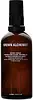
This calming toner is formulated around Rosa Damascena Flower Water and Panax Ginseng Root Extract to calm redness and hydrate skin.
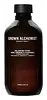
This calming toner is formulated around Aloe Barbadensis Leaf Extract and Panax Ginseng Root Extract to calm redness and refine skin texture.

What's inside
What's inside
 Key Ingredients
Benefits
Concerns
Ingredients Side-by-side
Water
Skin ConditioningRosa Damascena Flower Water
Masking

Sodium PCA
Humectant

Yeast Extract
Skin ConditioningSodium Benzoate
Masking
Fructose
Humectant
Glycerin
Humectant
Withania Somnifera Root Extract
Skin Conditioning
Hydrolyzed Algin
Oligopeptide-1
Skin Conditioning



Sodium Hyaluronate
Humectant
Ginkgo Biloba Leaf Extract
Skin Conditioning
Panax Ginseng Root Extract
Emollient
Ganoderma Lucidum Extract
Skin Protecting
Rhodiola Rosea Root Extract
EmollientRibes Nigrum Callus Extract
Antioxidant
Sodium Phytate
ChelatingCitronellol
Perfuming




Linalool
Perfuming
Geraniol
Perfuming
Water, Rosa Damascena Flower Water, Sodium PCA, Yeast Extract, Sodium Benzoate, Fructose, Glycerin, Withania Somnifera Root Extract, Hydrolyzed Algin, Oligopeptide-1, Sodium Hyaluronate, Ginkgo Biloba Leaf Extract, Panax Ginseng Root Extract, Ganoderma Lucidum Extract, Rhodiola Rosea Root Extract, Ribes Nigrum Callus Extract, Sodium Phytate, Citronellol, Linalool, Geraniol
Water
Skin ConditioningHeptyl Glucoside
SurfactantAloe Barbadensis Leaf Extract
Emollient
Glycerin
Humectant
Panax Ginseng Root Extract
Emollient
Lactic Acid
Buffering



Olea Europaea Leaf Extract
Perfuming
Chamomilla Recutita Flower Extract
Masking
Rosa Damascena Flower Oil
Masking

Benzyl Alcohol
Perfuming

Dehydroacetic Acid
Preservative
Sodium Phytate
ChelatingCitrus Aurantium Bergamia Fruit Oil
Masking
Chamomilla Recutita Flower Oil
Masking
Geraniol
Perfuming
Citronellol
Perfuming
Water, Heptyl Glucoside, Aloe Barbadensis Leaf Extract, Glycerin, Panax Ginseng Root Extract, Lactic Acid, Olea Europaea Leaf Extract, Chamomilla Recutita Flower Extract, Rosa Damascena Flower Oil, Benzyl Alcohol, Dehydroacetic Acid, Sodium Phytate, Citrus Aurantium Bergamia Fruit Oil, Chamomilla Recutita Flower Oil, Geraniol, Citronellol
Reviews
Ingredients Explained
These ingredients are found in both products.
Ingredients higher up in an ingredient list are typically present in a larger amount.
Citronellol is used to add fragrance/parfum to a product. It is often derived from plants such as roses. In fact, it can be found in many essential oils including geranium, lavender, neroli, and more. The scent of Citronellol is often described as "fresh, grassy, and citrus-like".
Since the Citronellol molecule is already unstable, Citronellol becomes irritating on the skin when exposed to air.
Citronellol is a modified terpene. Terpenes are unsaturated hydrocarbons found in plants. They make up the primary part of essential oils.
Citronellol is not able to be absorbed into deeper layers of the skin. It has low permeability,
Citronellol is also a natural insect repellent.
Learn more about CitronellolGeraniol is used to add fragrance/parfum to a product. It is the main component of citronellol. It is a monoterpenoid and an alcohol.
Monoterpenes are naturally found in many parts of different plants.
Geraniol can be found in many essential oils including Rose Oil and Citronella Oil. The scent of Geraniol is often described as "rose-like". Many foods also contain Geraniol for fruit flavoring.
Geraniol can irritate the skin when exposed to air. However, irritation depends on the ability of geraniol to penetrate into the skin. In general, geraniol is not able to penetrate skin easily.
Geraniol is colorless and has low water-solubility. However, it is soluble in common organic solvents.
Like citronellol, it is a natural insect repellent.
2,6-Octadien-1-ol, 3,7-dimethyl-, (2E)-
Learn more about GeraniolGlycerin (or glycerol) is a compound naturally found in your skin. It's a powerhouse humectant that pulls water into the stratum corneum.
Topically, glycerin does several things at once:
Your skin makes glycerin on its own (mostly from sebaceous oil breakdown) and shuttles it to your outermost layer of skin, or your epidermis, via aquaporin-3.
Aquaporin-3 is a transporter that is essential for normal skin hydration, elasticity, and repair. Interestingly, mice lacking in AQP3 have dry and less elastic skin that can be fully corrected with glycerin.
This ingredient is non-irritating, plays well with almost every ingredient, and works across all skin types. Typical use is anywhere between 3-10% but can go up to 79% in some leave-on products.
Just know very high concentrations (>40%) can feel tacky in low humidity.
Glycerin is the name for this ingredient in American English. British English uses Glycerol/Glycerine.
Learn more about GlycerinGinseng root is a well-loved ingredient in Asian skincare for good reason. It hydrates the skin, soothes irritation, and helps even out skin tone.
In traditional East Asian medicine, ginseng has been used for centuries both as food and as a healing remedy, and modern research continues to confirm its skin benefits.
One of the standout features of ginseng is its ability to improve blood circulation and oxygen delivery to the skin, bringing a fresh supply of nutrients to support overall skin health. It also has antioxidant and anti-inflammatory properties. This helps to protect your skin against damage from UV exposure, pollution, and daily stress.
Additionally, studies suggest that ginseng may help reduce hyperpigmentation by inhibiting tyrosinase, the enzyme involved in melanin production.
There are different types of ginseng used in skincare, and while they all share core benefits, their potency can vary.
Most products use fresh or white ginseng because it’s more affordable. However, red ginseng, produced by steaming the root, contains higher levels of ginsenosides, which are compounds with proven anti-aging effects. These ginsenosides help reduce the appearance of wrinkles and improve skin elasticity.
Note: All forms of ginseng are listed simply as “Panax ginseng” in ingredient lists. We recommend reaching out to the brand if you have questions about which type of ginseng is used in their ingredients.
For general antioxidant benefits, any ginseng extract will do, but for wrinkle care or firmer skin, red or fermented ginseng is often more effective.
In short, ginseng is a powerhouse ingredient that supports hydration, radiance, and resilience.
Learn more about Panax Ginseng Root ExtractSodium Phytate is the sodium salt of Phytic acid, a compound that plants store phosphorus in. It's the plant-derived alternative to ingredients like Disodium EDTA.
In skincare, this ingredient is a chelator that grabs onto trace metal ions like iron and copper that sneak into formulas through water/raw materials.
Those metals speed up oxidation so binding them keeps oils, fragrance, and actives from going off, stops color changes, and helps the preservative system work harder.
Survey data shows usage levels range from 0.0099%-0.5% in leave-on products, 0.025%-0.3% in rinse-off, and up to 0.05% in eye-area products. Suppliers typically recommend a range between 0.05-0.5%.
Learn more about Sodium PhytateWater. It's the most common cosmetic ingredient of all. You'll usually see it at the top of ingredient lists, meaning that it makes up the largest part of the product.
So why is it so popular? Water most often acts as a solvent - this means that it helps dissolve other ingredients into the formulation.
You'll also recognize water as that liquid we all need to stay alive. If you see this, drink a glass of water. Remember to stay hydrated!
Learn more about Water

