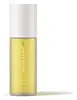
This oil-based cleanser is formulated around Salicylic Acid to clear breakouts and unclog pores.
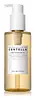
This oil-based makeup remover is made to dissolve makeup, sunscreen, and daily buildup.


What's inside
What's inside
 Key Ingredients
No key ingredients
Benefits
Concerns
Ingredients Side-by-side
Olea Europaea Fruit Oil
Masking






Carthamus Tinctorius Seed Oil
Masking
Olive Oil PEG-7 Esters
Emollient
Camellia Oleifera Seed Oil
Skin Conditioning
Squalane
Emollient











Olea Europaea Fruit Oil, Carthamus Tinctorius Seed Oil, Olive Oil PEG-7 Esters, Camellia Oleifera Seed Oil, Squalane, Vaccinium Macrocarpon Seed Oil, Calophyllum Inophyllum Seed Oil, Tocopherol, Salicylic Acid, Citrus Aurantium Bergamia Fruit Oil, Citrus Sinensis Peel Oil Expressed, Lavandula Angustifolia Oil
Ethylhexyl Stearate
Emollient
Cetyl Ethylhexanoate
EmollientSorbeth-30 Tetraoleate
Emulsifying
Caprylic/Capric Triglyceride
Masking
Citrus Aurantium Bergamia Fruit Oil
Masking

Centella Asiatica Extract
Cleansing



Simmondsia Chinensis Seed Oil
Emollient
Olea Europaea Fruit Oil
Masking
Helianthus Annuus Seed Oil
Emollient
Ethylhexylglycerin
Skin ConditioningPelargonium Graveolens Flower Oil
Masking
Rosa Damascena Flower Oil
Masking
Limonene
Perfuming
Linalool
Perfuming
Ethylhexyl Stearate, Cetyl Ethylhexanoate, Sorbeth-30 Tetraoleate, Caprylic/Capric Triglyceride, Citrus Aurantium Bergamia Fruit Oil, Centella Asiatica Extract, Simmondsia Chinensis Seed Oil, Olea Europaea Fruit Oil, Helianthus Annuus Seed Oil, Ethylhexylglycerin, Pelargonium Graveolens Flower Oil, Rosa Damascena Flower Oil, Limonene, Linalool
Reviews
Alternatives
Ingredients Explained
These ingredients are found in both products.
Ingredients higher up in an ingredient list are typically present in a larger amount.
Citrus Aurantium Bergamia Fruit Oil is the oil from the bergamot orange and is primarily used as a fragrance. It has a "fresh" and "bright orange" scent.
The main aroma compounds found in this ingredient are limonene (~27-52%), linalool (~2-22%), and linalyl acetate (~27-40%). These are known EU fragrance allergens.
The term 'fragrance' is not regulated in many countries. In many cases, it is up to the brand to define this term. For instance, many brands choose to label themselves as "fragrance-free" because they are not using synthetic fragrances. However, their products may still contain ingredients such as essential oils that are considered a fragrance.
When used topically, Citrus Aurantium Bergamia Fruit Oil is a photosensitizer due to the furanocoumarin content. Furanocoumarins absorb UV-A and cause phytophotodermatitis; this can look like redness, blistering, and lasting brown pigmentation on sun-exposed skin.
Due to this, this ingredient is capped at 0.4% in leave-on products applied to sun exposed skin.
Many modern formulas used a "furanocoumarin-free" version that sidesteps the phototoxicity issue, but still contains the fragrance allergens.
Learn more about Citrus Aurantium Bergamia Fruit OilThis ingredient is also known as olive oil. It has been used in skincare for centuries and science largely backs up its reputation as a nourishing emollient.
The main components of olive oil are oleic acid (55-83%), linoleic acid (3.5-20%), and palmitic acid (7-20%). Oleic acid promotes skin regeneration and helps regulate inflammatory responses.
Squalene is also naturally present in olive oil and exhibits moisturizing and antioxidant properties.
The polyphenols in olive oil also show anti-aging promise; one clinical study found a measurable improvement in skin appearance after 30 days of topical serum use.
Just be aware that applying olive oil directly to skin can weaken the barrier and cause redness. One study with volunteers found even people without sensitive skin experienced a significant reduction in stratum corneum integrity and induced mild erythema.
It's best to use this ingredient as part of a carefully crafted formula (instead of putting it on skin directly from the bottle).
Because it has a 0-2 on the comedogenic scale, it is low risk for acne-prone skin. Just remember the overall formulation of a product matters more than a few ingredients with comedogenic ratings.
This ingredient may not be fungal acne safe because of the oleic and palmitic acid content. These fall within the C11-24 fatty acid range that the Malassezia yeast can metabolize to grow.
Overall, olive oil is a well-studied and nourishing skincare ingredient.
Learn more about Olea Europaea Fruit Oil

