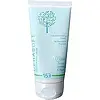
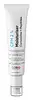
Grace Derma Healthcare Cerasoft Daily Moisturising Cream Versus Cosiq CPM 2% Moisturiser With Ceramides + Peptides
This barrier-repair moisturizer is formulated around Saccharide Isomerate and Ceramide AP to strengthen the skin barrier and hydrate skin.
This anti-aging moisturizer is formulated around Aloe Barbadensis Leaf Extract and Palmitoyl Tetrapeptide-7 to soften the look of wrinkles.

What's inside
What's inside
 Key Ingredients
Benefits
Concerns
Ingredients Side-by-side


Water
Skin ConditioningAloe Barbadensis Leaf Extract
Emollient


Glycerin
Humectant

Propanediol
Solvent
Palmitoyl Tetrapeptide-7
Skin Conditioning


Palmitoyl Tripeptide-1
Skin Conditioning
Xylitylglucoside
Humectant
Anhydroxylitol
Humectant
Xylitol
Humectant
Benzyl Alcohol
Perfuming






Ethylhexylglycerin
Skin ConditioningTocopherol
Antioxidant



Cetearyl Alcohol
Emollient





Ammonium Acryloyldimethyltaurate/Vp Copolymer
Ceramide EOP
Skin Conditioning
Ceramide Ns
Skin Conditioning
Ceramide NP
Skin Conditioning
Ceramide As
Skin Conditioning
Ceramide AP
Skin Conditioning
Cholesterol
Emollient
Allantoin
Skin Conditioning
Sodium Gluconate
ChelatingWater, Aloe Barbadensis Leaf Extract, Glycerin, Propanediol, Palmitoyl Tetrapeptide-7, Palmitoyl Tripeptide-1, Xylitylglucoside, Anhydroxylitol, Xylitol, Benzyl Alcohol, Ethylhexylglycerin, Tocopherol, Cetearyl Alcohol, Ammonium Acryloyldimethyltaurate/Vp Copolymer, Ceramide EOP, Ceramide Ns, Ceramide NP, Ceramide As, Ceramide AP, Cholesterol, Allantoin, Sodium Gluconate
Ingredients Explained
These ingredients are found in both products.
Ingredients higher up in an ingredient list are typically present in a larger amount.
Ceramide AP is is a skin-identical lipid that mimics what your skin already makes naturally. Ceramides help maintain epidermal integrity and barrier function.
You'll often see this ingredient paired with other ceramides (like ceramide NP), cholesterol, or fatty acids because this combination best mimics the natural lipid mix your skin already has.
The skin's ability to produce ceramides gets disrupted in skin conditions like eczema. This in turn weakens the skin barrier and applying ceramides topically has been shown to replenish what's been lost to restore barrier function.
Most of the studies with Ceramide AP test it as part of a multi-ceramide complex; studies reinforce ceramide AP's role in rebalancing ceramides in skin and improving skin hydration.
Learn more about Ceramide APSodium Gluconate is the sodium salt of gluconic acid. In skincare, its main job is as a chelator.
Chelators grab onto stray metal ions like iron and copper that sneak in through water, raw materials, or manufacturing equipment. This stops them from triggering reactions that cause oils to go rancid, formulas to change color, and actives like vitamin C to fall apart.
This ingredient is often chosen as a biodegradable, gentler-sounding alternative to EDTA. It also pulls double duty as a mild humectant and pH buffer.
Typical use levels sit around 0.1-1% and supplier documents list up to 10% as an acceptable ceiling. Industry data found this ingredient family is mostly used well below 1% in leave on products.
Allergy risk is very low; animal testing has found it to be non-irritating to skin and eyes, mutagenicity assays came back negative, and there are no published reports of allergic contact dermatitis to it.
Learn more about Sodium GluconateWater. It's the most common cosmetic ingredient of all. You'll usually see it at the top of ingredient lists, meaning that it makes up the largest part of the product.
So why is it so popular? Water most often acts as a solvent - this means that it helps dissolve other ingredients into the formulation.
You'll also recognize water as that liquid we all need to stay alive. If you see this, drink a glass of water. Remember to stay hydrated!
Learn more about Water

