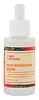
This brightening serum is formulated around Arbutin and Glycyrrhiza Glabra Root Extract to brighten dull-looking skin and fade the look of dark spots.
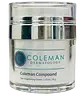
This brightening treatment is formulated around Arbutin and Glycolic Acid to fade the look of dark spots and refine skin texture.

What's inside
What's inside
 Key Ingredients
Benefits
Concerns
No concerns
Ingredients Side-by-side

Arbutin 4%
Antioxidant




Water
Skin ConditioningTocopheryl Acetate
Antioxidant
Stearic Acid
Cleansing



Glycolic Acid
Buffering







Butylene Glycol
Humectant
Camellia Oleifera Leaf Extract
AstringentPentylene Glycol
Skin Conditioning
Isopropyl Palmitate
Emollient

Steareth-2
EmulsifyingTetrahexyldecyl Ascorbate
Antioxidant

Steareth-21
CleansingStearyl Alcohol
Emollient
Evodia Rutaecarpa Fruit Extract
Skin ConditioningGlycyrrhetinic Acid
Skin Conditioning
Dimethicone
Emollient
Xanthan Gum
Emulsifying1,2-Hexanediol
Skin Conditioning
Caprylyl Alcohol
Masking
Bisabolol
Antioxidant
Zingiber Officinale Root Extract
Masking
Allantoin
Skin Conditioning
Potassium Sorbate
Preservative
Disodium EDTA
ChelatingArbutin 4%, Water, Tocopheryl Acetate, Stearic Acid, Glycolic Acid, Butylene Glycol, Camellia Oleifera Leaf Extract, Pentylene Glycol, Isopropyl Palmitate, Steareth-2, Tetrahexyldecyl Ascorbate, Steareth-21, Stearyl Alcohol, Evodia Rutaecarpa Fruit Extract, Glycyrrhetinic Acid, Dimethicone, Xanthan Gum, 1,2-Hexanediol, Caprylyl Alcohol, Bisabolol, Zingiber Officinale Root Extract, Allantoin, Potassium Sorbate, Disodium EDTA
Reviews
Ingredients Explained
These ingredients are found in both products.
Ingredients higher up in an ingredient list are typically present in a larger amount.
1,2-Hexanediol is a synthetic liquid and another multi-functional powerhouse.
It is a:
- Humectant, drawing moisture into the skin
- Emollient, helping to soften skin
- Solvent, dispersing and stabilizing formulas
- Preservative booster, enhancing the antimicrobial activity of other preservatives
Arbutin is a naturally occurring molecule (found in bearberry, cranberry, and blueberry) that is used in skincare as a gentle brightening agent to fade dark spots, melasma, and post-inflammatory hyperpigmentation.
Chemically, it is a sugar-bound form of hydroquinone.
It works mainly by inhibiting tyrosinase, the enzyme your skin uses to make melanin. This means less new pigment gets produced over time.
There are two forms you'll see on labels: beta-arbutin (listed as just "Arbutin") and alpha-arbutin (the more stable and effective of the two).
The evidence behind this is solid: it's less cytotoxic to melanocytes than hydroquinone and comparably effective with kojic acid for hyperpigmentation.
One human study using a 10% solution reduced UVR-induced hyperpigmentation by 43.5% (jumping to 63.3% when paired with aloesin).
More recent clinical work backs it up too; a 2025 study on a 5% alpha-arbutin + 2% kojic acid cream found it comparable to triple combination prescription formulas but with lower recurrence for melasma.
Typical usage in cosmetics serums land in the 1-2% range.
It's a well-tolerated, non-irritating, and non-photoreactive ingredient that also gives some antioxidant benefits too.
Learn more about ArbutinWater. It's the most common cosmetic ingredient of all. You'll usually see it at the top of ingredient lists, meaning that it makes up the largest part of the product.
So why is it so popular? Water most often acts as a solvent - this means that it helps dissolve other ingredients into the formulation.
You'll also recognize water as that liquid we all need to stay alive. If you see this, drink a glass of water. Remember to stay hydrated!
Learn more about Water

