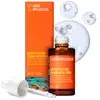
This anti-aging serum is formulated around Copper Tripeptide-1 and Sodium DNA to soften the look of wrinkles and strengthen the skin barrier.
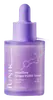
This anti-aging serum is formulated around Bakuchiol and Sodium DNA to soften the look of wrinkles.


What's inside
What's inside
 Key Ingredients
Benefits
Concerns
No concerns
Ingredients Side-by-side
Water 79.6%
Skin ConditioningPropanediol 8%
Solvent

Glycerin 4.4%
Humectant
1,2-Hexanediol 2%
Skin Conditioning
Sodium Citrate 1.7%
BufferingGlyceryl Glucoside 1.1%
Humectant
Pentylene Glycol 0.9%
Skin Conditioning
Sodium Levulinate 0.6%
Skin ConditioningAmmonium Acryloyldimethyltaurate/Vp Copolymer 0.4%
Citric Acid 0.32%
Buffering


Xanthan Gum 0.3%
EmulsifyingSodium Benzoate 0.3%
Masking
Sodium Hyaluronate 0.2%
Humectant


Copper Tripeptide-1 0.1%
Skin Conditioning
Sodium Hydroxide 0.08%
BufferingRosa Damascena Flower Extract
Masking
Sodium DNA
Skin Conditioning
Caprooyl Tetrapeptide-3
Skin Protecting
Dextran
Tridecapeptide-1
Skin Conditioning
Water 79.6%, Propanediol 8%, Glycerin 4.4%, 1,2-Hexanediol 2%, Sodium Citrate 1.7%, Glyceryl Glucoside 1.1%, Pentylene Glycol 0.9%, Sodium Levulinate 0.6%, Ammonium Acryloyldimethyltaurate/Vp Copolymer 0.4%, Citric Acid 0.32%, Xanthan Gum 0.3%, Sodium Benzoate 0.3%, Sodium Hyaluronate 0.2%, Copper Tripeptide-1 0.1%, Sodium Hydroxide 0.08%, Rosa Damascena Flower Extract, Sodium DNA, Caprooyl Tetrapeptide-3, Dextran, Tridecapeptide-1
Water
Skin ConditioningHydrogenated Polyisobutene
EmollientGlycerin
Humectant
Butylene Glycol
Humectant
Glycol
HumectantSqualane
Emollient
1,2-Hexanediol
Skin Conditioning
Betaine
Humectant
Pentylene Glycol
Skin Conditioning
Chondrus Crispus Extract
Skin Conditioning

Saccharum Officinarum Extract
MoisturisingAcrylates/C10-30 Alkyl Acrylate Crosspolymer
Emulsion StabilisingHydrogenated Lecithin
Emulsifying
Tromethamine
BufferingXanthan Gum
EmulsifyingSodium Hyaluronate Crosspolymer
Humectant
Ethylhexylglycerin
Skin ConditioningAdenosine
Skin Conditioning
Dextrin
AbsorbentSodium Phytate
ChelatingSodium Hyaluronate
Humectant
Gardenia Florida Fruit Extract
Skin ConditioningCyanocobalamin
Skin ConditioningAnemarrhena Asphodeloides Root Extract
Skin Conditioning
Beta-Glucan
Skin Conditioning
Tocopherol
Antioxidant


Bakuchiol
Antimicrobial


Vitis Vinifera Fruit Extract
Skin ConditioningHydrolyzed Collagen
Emollient
Acetyl Hexapeptide-8
Humectant
Copper Tripeptide-1
Skin Conditioning
Palmitoyl Pentapeptide-4
Skin Conditioning
Sodium DNA
Skin Conditioning
Acetyl Tetrapeptide-5
Humectant
Palmitoyl Tripeptide-5
Skin Conditioning
Palmitoyl Tripeptide-1
Skin Conditioning
Water, Hydrogenated Polyisobutene, Glycerin, Butylene Glycol, Glycol, Squalane, 1,2-Hexanediol, Betaine, Pentylene Glycol, Chondrus Crispus Extract, Saccharum Officinarum Extract, Acrylates/C10-30 Alkyl Acrylate Crosspolymer, Hydrogenated Lecithin, Tromethamine, Xanthan Gum, Sodium Hyaluronate Crosspolymer, Ethylhexylglycerin, Adenosine, Dextrin, Sodium Phytate, Sodium Hyaluronate, Gardenia Florida Fruit Extract, Cyanocobalamin, Anemarrhena Asphodeloides Root Extract, Beta-Glucan, Tocopherol, Bakuchiol, Vitis Vinifera Fruit Extract, Hydrolyzed Collagen, Acetyl Hexapeptide-8, Copper Tripeptide-1, Palmitoyl Pentapeptide-4, Sodium DNA, Acetyl Tetrapeptide-5, Palmitoyl Tripeptide-5, Palmitoyl Tripeptide-1
Reviews
Ingredients Explained
These ingredients are found in both products.
Ingredients higher up in an ingredient list are typically present in a larger amount.
1,2-Hexanediol is a synthetic liquid and another multi-functional powerhouse.
It is a:
- Humectant, drawing moisture into the skin
- Emollient, helping to soften skin
- Solvent, dispersing and stabilizing formulas
- Preservative booster, enhancing the antimicrobial activity of other preservatives
Copper Tripeptide-1 (GHK-Cu) is a skin repairing ingredient said to boost collagen, improve firmness, and support skin regeneration.
It is a complex made up of a naturally occurring peptide (glycine-histidine-lysine) and copper, an essential trace element.
While studying wound healing, researchers noticed GHK-Cu stimulated hair follicle enlargement and growth by keeping hair in its active growth phase longer. This has made it a promising ingredient for hair regrowth treatments.
Some people have reported increased facial hair. While GHK-Cu can make your hair follicles bigger, it usually doesn’t turn soft, barely-visible facial hairs into thick, dark ones.
Anecdotal reports suggest that overusing copper peptides might lead to premature aging due to excess free copper or enzyme imbalances. This claim isn’t backed by large-scale studies.
Unfortunately, there are limited human studies for this ingredient. While early results are promising, many studies are either small, in-vitro, or not rigorously controlled.
For example, there is a 1998 study that explored the effects of copper tripeptide, vitamin C, tretinoin, and melatonin on skin repair and collagen synthesis.
After one month, increased procollagen production was seen in 7 out of 10 participants using copper tripeptide (more than those using vitamin C, melatonin, or tretinoin.
While the study was exploratory, it offers early evidence that copper tripeptide may support collagen production. Larger, well-designed trials are still needed to confirm its potential and understand individual responses.
Read more about other common types of peptides here:
Learn more about Copper Tripeptide-1Glycerin (or glycerol) is a compound naturally found in your skin. It's a powerhouse humectant that pulls water into the stratum corneum.
Topically, glycerin does several things at once:
Your skin makes glycerin on its own (mostly from sebaceous oil breakdown) and shuttles it to your outermost layer of skin, or your epidermis, via aquaporin-3.
Aquaporin-3 is a transporter that is essential for normal skin hydration, elasticity, and repair. Interestingly, mice lacking in AQP3 have dry and less elastic skin that can be fully corrected with glycerin.
This ingredient is non-irritating, plays well with almost every ingredient, and works across all skin types. Typical use is anywhere between 3-10% but can go up to 79% in some leave-on products.
Just know very high concentrations (>40%) can feel tacky in low humidity.
Glycerin is the name for this ingredient in American English. British English uses Glycerol/Glycerine.
Learn more about GlycerinPentylene Glycol (1,2-pentanediol) is a multitasking little diol with three main roles in a formula:
Research on alkanediols (the family pentylene glycol belongs to) show they work by disrupting microbial cell membranes. This disruption helps the primary preservative system in a product work more effectively at lower doses.
On the safety side, the Cosmetic Ingredient Review Expert Panel has concluded this ingredient to be safe as used in current cosmetic practices + concentrations.
Typical use levels in a formula run about 1-5%.
Learn more about Pentylene GlycolSodium DNA is an emerging anti-aging ingredient.
It is created by taking deoxyribonucleic acid (DNA) and purifying it with sodium hydroxide.
The DNA is extracted from several different animal sources, including: calf thymus, the gonadic tissue of a male sturgeon, or herring / salmon sperm.
You have probably seen this ingredient in anti-aging skincare. But what is it?
DNA is composed of nucleotides, or chemical building blocks. Nucleotides include adenine (A), thymine (T), guanine (G), and cytosine (C). Talk about a flashback to biology! Nucleosides are formed from these nucleotides.
The science behind Sodium DNA is based on an ingredient called Polydeoxyribonucleotide or PDRN.
PDRN are DNA fragments mainly extracted from the sperm cells of trout or salmon. Meaning, PDRN can be derived from Sodium DNA.
PDRN consists of chains of nucleotides and nucleosides mentioned above. They can range anywhere from 80 - 2000 pairs.
Studies show PDRN has the following properties:
Most of the research on PDRN has been done using injectable forms. That’s important, because PDRN is a large molecule and doesn’t absorb well through the skin. So if you’re applying it topically, the effects are likely to be much milder.
Still, topical Sodium DNA is emerging as a trendy anti-aging ingredient. It’s generally well-tolerated and offers good biocompatibility with human skin, making it a low-risk addition to most routines.
Further studies are needed to truly confirm this ingredients anti-aging ability (Remember, retinol has decades of research!).
Sodium DNA may be sourced from fish, animal tissue, or plants. Since this isn’t always disclosed, we recommend asking the brand directly if the ingredient’s origin is important to you.
Learn more about Sodium DNASodium Hyaluronate is the salt form of hyaluronic acid. It is a long sugar chain that is naturally found in your skin, joints, and connective tissue that maintains hydration and elasticity.
In skincare, it works as a humectant. It pulls water from the environment and deeper layers of skin and binds it to the surface.
Interestingly, the size of the molecule affects its behavior:
Some clinical evidence links low molecular weight versions to improved wrinkle depth, elasticity, anti-inflammatory effects, and barrier repair.
Many serums use a blend of both weights so you can get surface hydration plus longer-lasting and deeper effects.
You'll typically see concentrations between 0.1-2% for this ingredient.
Learn more about Sodium HyaluronateWater. It's the most common cosmetic ingredient of all. You'll usually see it at the top of ingredient lists, meaning that it makes up the largest part of the product.
So why is it so popular? Water most often acts as a solvent - this means that it helps dissolve other ingredients into the formulation.
You'll also recognize water as that liquid we all need to stay alive. If you see this, drink a glass of water. Remember to stay hydrated!
Learn more about WaterXanthan gum is used as a stabilizer and thickener within cosmetic products. It helps give products a sticky, thick feeling - preventing them from being too runny.
On the technical side of things, xanthan gum is a polysaccharide - a combination consisting of multiple sugar molecules bonded together.
Xanthan gum is a pretty common and great ingredient. It is a natural, non-toxic, non-irritating ingredient that is also commonly used in food products.
Learn more about Xanthan Gum

