
What's inside
What's inside
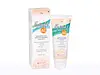 Key Ingredients
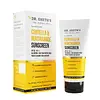
Benefits
Concerns
Ingredients Side-by-side



Cyclopentasiloxane
Emollient
Dimethicone/Vinyl Dimethicone Crosspolymer
Skin Conditioning
Ethylhexyl Methoxycinnamate
UV Absorber


Caprylyl Methicone
Skin Conditioning
PEG-12 Dimethicone/PPG-20 Crosspolymer
C12-15 Alkyl Benzoate
AntimicrobialZinc Oxide
Cosmetic Colorant
Triethoxycaprylylsilane
Diethylhexyl Butamido Triazone
UV Absorber
Diethylamino Hydroxybenzoyl Hexyl Benzoate
UV Filter
Niacinamide
Smoothing









Tapioca Starch
Polymethylsilsesquioxane
Titanium Dioxide
Cosmetic Colorant
Alumina
Abrasive
Simethicone
Emollient
Bis-Ethylhexyloxyphenol Methoxyphenyl Triazine
Skin Conditioning
Dicaprylyl Carbonate
EmollientCentella Asiatica Extract
Cleansing
Diethylhexyl Syringylidenemalonate
Skin ProtectingCaprylic/Capric Triglyceride
Masking
Cyclopentasiloxane, Dimethicone/Vinyl Dimethicone Crosspolymer, Ethylhexyl Methoxycinnamate, Caprylyl Methicone, PEG-12 Dimethicone/PPG-20 Crosspolymer, C12-15 Alkyl Benzoate, Zinc Oxide, Triethoxycaprylylsilane, Diethylhexyl Butamido Triazone, Diethylamino Hydroxybenzoyl Hexyl Benzoate, Niacinamide, Tapioca Starch, Polymethylsilsesquioxane, Titanium Dioxide, Alumina, Simethicone, Bis-Ethylhexyloxyphenol Methoxyphenyl Triazine, Dicaprylyl Carbonate, Centella Asiatica Extract, Diethylhexyl Syringylidenemalonate, Caprylic/Capric Triglyceride
Reviews
Ingredients Explained
These ingredients are found in both products.
Ingredients higher up in an ingredient list are typically present in a larger amount.
This ingredient is an emollient, solvent, and texture enhancer. It is considered a skin-softener by helping the skin prevent moisture loss.
It helps thicken a product's formula and makes it easier to spread by dissolving clumping compounds.
Caprylic Triglyceride is made by combining glycerin with coconut oil, forming a clear liquid.
While there is an assumption Caprylic Triglyceride can clog pores due to it being derived from coconut oil, there is no research supporting this.
Learn more about Caprylic/Capric TriglycerideEthylhexyl Methoxycinnamate is an organic compound that provides UVB protection. It often goes by the more common name of octinoxate. It is created from methoxycinnamic acid and 2-ethylhexanol.
Ethylhexyl Methoxycinnamate absorbs UVB rays with wavelengths between 280-320 nm. UV absorbers protect your skin by using chemical reactions to convert UV rays into heat and energy.
UVB (290-320 nm) rays emit more energy than UVA rays. They are capable of damaging DNA, causing sunburns and are thought to be linked to skin cancer.
The state of Hawaii has banned sunscreens containing octinoxate due to its potential impact on coral reefs. More research is needed to bridge gaps in this research. The European Union allows higher levels of octinoxate in sunscreens than the US and Australia.
Ethylhexyl Methoxycinnamate is oil soluble. It is not stable and may lose efficacy when exposed to sunlight.
Learn more about Ethylhexyl Methoxycinnamate
