

What's inside
What's inside
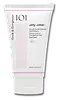 Key Ingredients
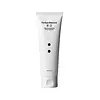
No key ingredients
Benefits
Concerns
No concerns
Ingredients Side-by-side
Water
Skin ConditioningPEG-6 Caprylic/Capric Glycerides
EmulsifyingPropanediol
Solvent

Methyl Gluceth-20
Humectant
Poloxamer 184
EmulsifyingCaprylic/Capric Triglyceride
Masking
Hydroxyethyl Acrylate/Sodium Acryloyldimethyl Taurate Copolymer
Emulsion StabilisingAmmonium Acryloyldimethyltaurate/Vp Copolymer
Panthenol
Skin Conditioning


Allantoin
Skin Conditioning
Xylitylglucoside
Humectant
Anhydroxylitol
Humectant
Xylitol
Humectant
Glucose
Humectant
Citric Acid
Buffering


Phenoxyethanol
Preservative
Ethylhexylglycerin
Skin ConditioningWater, PEG-6 Caprylic/Capric Glycerides, Propanediol, Methyl Gluceth-20, Poloxamer 184, Caprylic/Capric Triglyceride, Hydroxyethyl Acrylate/Sodium Acryloyldimethyl Taurate Copolymer, Ammonium Acryloyldimethyltaurate/Vp Copolymer, Panthenol, Allantoin, Xylitylglucoside, Anhydroxylitol, Xylitol, Glucose, Citric Acid, Phenoxyethanol, Ethylhexylglycerin
Water
Skin ConditioningGlycerin
Humectant
Sodium Cocoyl Glycinate
Cleansing
Sodium Lauroyl Glutamate
Surfactant1,2-Hexanediol
Skin Conditioning
Betaine
Humectant
Hydroxypropyl Starch Phosphate
Camellia Sinensis Leaf Extract
Antimicrobial



Melia Azadirachta Leaf Extract
Skin ConditioningLaminaria Japonica Extract
Skin Protecting
Melia Azadirachta Flower Extract
Skin ConditioningEclipta Prostrata Leaf Extract
Skin ConditioningUlmus Davidiana Root Extract
Skin Conditioning
Ficus Carica Fruit Extract
Humectant
Centella Asiatica Extract
Cleansing
Amaranthus Caudatus Seed Extract
Skin Conditioning
Hydrogenated Lecithin
Emulsifying
Lauryl Betaine
CleansingButylene Glycol
Humectant
Camellia Sinensis Leaf Powder
Sodium Chloride
MaskingPolyquaternium-39
Decylene Glycol
Skin ConditioningAllantoin
Skin Conditioning
Dipropylene Glycol
HumectantFructan
Skin ConditioningFructooligosaccharides
Humectant
Beta-Glucan
Skin Conditioning
Ceramide NP
Skin Conditioning
Tocopherol
Antioxidant

Hydrolyzed Hyaluronic Acid
Humectant
Hydroxyacetophenone
Antioxidant
Ethylhexylglycerin
Skin ConditioningSodium Benzoate
Masking
Water, Glycerin, Sodium Cocoyl Glycinate, Sodium Lauroyl Glutamate, 1,2-Hexanediol, Betaine, Hydroxypropyl Starch Phosphate, Camellia Sinensis Leaf Extract, Melia Azadirachta Leaf Extract, Laminaria Japonica Extract, Melia Azadirachta Flower Extract, Eclipta Prostrata Leaf Extract, Ulmus Davidiana Root Extract, Ficus Carica Fruit Extract, Centella Asiatica Extract, Amaranthus Caudatus Seed Extract, Hydrogenated Lecithin, Lauryl Betaine, Butylene Glycol, Camellia Sinensis Leaf Powder, Sodium Chloride, Polyquaternium-39, Decylene Glycol, Allantoin, Dipropylene Glycol, Fructan, Fructooligosaccharides, Beta-Glucan, Ceramide NP, Tocopherol, Hydrolyzed Hyaluronic Acid, Hydroxyacetophenone, Ethylhexylglycerin, Sodium Benzoate
Reviews
Ingredients Explained
These ingredients are found in both products.
Ingredients higher up in an ingredient list are typically present in a larger amount.
Allantoin is a soothing ingredient known for its protective and moisturizing properties; it's basically a quiet workhorse ingredient you can find in a huge range of cosmetics.
Though it can be derived from the comfrey plant, allantoin is produced synthetically for cosmetic products to ensure purity.
Research shows it can encourage your skin cells to turn over and renew by stimulating keratinocyte and fibroblast proliferation.
It also has mild keratolytic properties to help loosen and shed dead skin cells without being harsh.
Studies also suggest allantoin can help calm inflammation by dialing down some of the chemical signals your skin sends out when it is irritated.
This ingredient is typically used in the 0.1-0.5% range, and the FDA recognizes it as a skin protectant in OTC products up to 2%.
Overall, allantoin is a wonderful addition to most routines; it is stable across a wide pH range (~4-8), works well with other ingredients, and is considered non-sensitizing/non-irritating.
Fun fact: Allantoin is naturally occurring in comfrey root, beets, chamomile, and wheat sprouts. Our bodies even produce it as a byproduct of uric acid metabolism.
Learn more about AllantoinEthylhexylglycerin is created from glycerin. It is a multitasker ingredient that:
The CIR Expert Panel found minimal skin absorption or sensitization of any kind in a safety assessment. Though this ingredient is considered well-tolerated, a small number of cases of allergic dermatitis have been published since 2002. Just be sure to patch test if you are unsure.
Industry-reported use ranges from 8% in rinse-off products and 2% in leave-on formulations.
Learn more about EthylhexylglycerinWater. It's the most common cosmetic ingredient of all. You'll usually see it at the top of ingredient lists, meaning that it makes up the largest part of the product.
So why is it so popular? Water most often acts as a solvent - this means that it helps dissolve other ingredients into the formulation.
You'll also recognize water as that liquid we all need to stay alive. If you see this, drink a glass of water. Remember to stay hydrated!
Learn more about Water
