
What's inside
What's inside
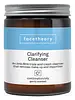 Key Ingredients
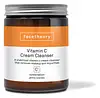
Benefits
Concerns
Ingredients Side-by-side
Water
Skin ConditioningGlycolic Acid 4%
Buffering










Cetyl Alcohol
Emollient


Glyceryl Stearate
Emollient
Cocamidopropyl Dimethylamine
Emulsifying
Prunus Armeniaca Kernel Oil
Masking
Salicylic Acid 2%
Masking



Polyglyceryl-6 Stearate
Emollient
Sodium Glycolate
BufferingPrunus Amygdalus Dulcis Oil
Skin Conditioning
Persea Gratissima Oil
Skin Conditioning
Lactic Acid 1%
Buffering
Sodium Lactate
Buffering
Sodium Salicylate
Preservative
Cetyl Hydroxyethylcellulose
Emulsion StabilisingPolyglyceryl-6 Behenate
Emulsion Stabilising
Xanthan Gum
EmulsifyingCitrus Nobilis Peel Oil 0.97%
Masking
Water, Glycolic Acid 4%, Cetyl Alcohol, Glyceryl Stearate, Cocamidopropyl Dimethylamine, Prunus Armeniaca Kernel Oil, Salicylic Acid 2%, Polyglyceryl-6 Stearate, Sodium Glycolate, Prunus Amygdalus Dulcis Oil, Persea Gratissima Oil, Lactic Acid 1%, Sodium Lactate, Sodium Salicylate, Cetyl Hydroxyethylcellulose, Polyglyceryl-6 Behenate, Xanthan Gum, Citrus Nobilis Peel Oil 0.97%
Water
Skin ConditioningCetyl Alcohol
Emollient
Prunus Armeniaca Kernel Oil
Masking
Glycerin
Humectant
Glyceryl Stearate Se
Emulsifying

Prunus Amygdalus Dulcis Oil
Skin Conditioning
Stearic Acid
Cleansing
Sodium Ascorbyl Phosphate
Antioxidant


Persea Gratissima Oil
Skin Conditioning
Xanthan Gum
EmulsifyingSodium Levulinate
Skin ConditioningSodium Anisate
AntimicrobialGlyceryl Caprylate
EmollientCitrus Nobilis Peel Oil 0.205%
Masking
Ingredients Explained
These ingredients are found in both products.
Ingredients higher up in an ingredient list are typically present in a larger amount.
Cetyl Alcohol is a fatty alcohol. Fatty Alcohols are most often used as an emollient or to thicken a product.
Its main roles are:
Though it has "alcohol" in the name, it is not related to denatured alcohol or ethyl alcohol.
The FDA allows products labeled "alcohol-free" to have fatty alcohols.
Learn more about Cetyl AlcoholMandarin peel oil is an essential oil made by distilling the peel of mandarin oranges. It is primarily used for fragrance but has some secondary skin conditioning effects.
This ingredient is rich in limonene and is generally considered milder than some other citrus oils (like lemon or bergamot). It is not strongly phototoxic because it contains little to no furocoumarins when properly produced.
Like other essential oils, this ingredient can be a fragrance allergen.
Learn more about Citrus Nobilis Peel OilThis ingredient is also known as Avocado oil. It's the cold-pressed oil from the flesh of the avocado fruit packed with fatty acids (mostly oleic acid).
The rich fatty acid profile allows it to function as a skin conditioning agent and emollient; it helps soften and smooth skin while reducing water loss.
Preclinical research has found that topical avocado oil increased collagen synthesis and reduced inflammation during wound healing, giving it some skin-repairing credibility.
The unsaponifiable fraction of the oil is also interesting: studies on avocado unsaponifiables showed that it helped skin produce more collagen and other structural compounds that support healing.
The CIR Expert Panel has found this ingredient to be non-irritating in formulations.
It's a great ingredient for dry or compromised skin. Just know it may not be fungal acne safe. This is because the oleic acid content falls within the range that Malassezia can use as a food source.
Learn more about Persea Gratissima OilThis ingredient is also known as sweet almond oil. It is a lightweight, cold-pressed oil from the ripe seeds of the sweet almond tree.
Sweet almond oil is rich in skin-nourishing fatty acids such as oleic acid (55-86%) and linolenic acid (7-35%).
As an emollient, it softens and hydrates skin by forming a thin barrier that locks in moisture.
Clinical studies have found it to be non-irritating and non-sensitizing. The CIR Expert Panel has evaluated the available safety data and concluded it is safe for topical use.
Because of the oleic acid content, this ingredient may not be fungal acne safe.
Learn more about Prunus Amygdalus Dulcis OilThis ingredient is the oil from the apricot.
Apricot Kernel Oil is an emollient and helps soften skin. This is due to its fatty acid components. Some of these fatty acids include linoleic and oleic acid.
This ingredient also has antioxidant properties from Vitamins A, C, and E. Antioxidants help fight free-radicals. Free-radicals are molecules that may damage your skin cells. Besides being antioxidants, these vitamins provide plenty of skin benefits as well.
Learn more about Prunus Armeniaca Kernel OilWater. It's the most common cosmetic ingredient of all. You'll usually see it at the top of ingredient lists, meaning that it makes up the largest part of the product.
So why is it so popular? Water most often acts as a solvent - this means that it helps dissolve other ingredients into the formulation.
You'll also recognize water as that liquid we all need to stay alive. If you see this, drink a glass of water. Remember to stay hydrated!
Learn more about WaterXanthan gum is used as a stabilizer and thickener within cosmetic products. It helps give products a sticky, thick feeling - preventing them from being too runny.
On the technical side of things, xanthan gum is a polysaccharide - a combination consisting of multiple sugar molecules bonded together.
Xanthan gum is a pretty common and great ingredient. It is a natural, non-toxic, non-irritating ingredient that is also commonly used in food products.
Learn more about Xanthan Gum
