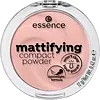
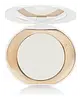
Essence Mattifying Compact Powder Versus Charlotte Tilbury Airbrush Brightening Flawless Finish Powder


What's inside
What's inside
 Key Ingredients
Benefits
Concerns
Ingredients Side-by-side
Talc
Abrasive
Mica
Cosmetic ColorantZea Mays Starch
Absorbent
Ethylhexyl Palmitate
Emollient




Magnesium Stearate
Cosmetic ColorantCaprylic/Capric Triglyceride
Masking


Bis-Diglyceryl Polyacyladipate-1
Emollient
Caprylyl Glycol
Emollient
Hexylene Glycol
EmulsifyingPropylene Glycol
Humectant
CI 77220
Cosmetic ColorantPhenoxyethanol
Preservative
Aroma


CI 77007
Cosmetic ColorantCI 77491
Cosmetic ColorantCI 77492
Cosmetic ColorantCI 77499
Cosmetic ColorantCI 77891
Cosmetic ColorantTalc
Abrasive
Mica
Cosmetic ColorantMethyl Methacrylate Crosspolymer
Silica
Abrasive
Dimethicone
Emollient

Nylon-12

Lauroyl Lysine
Skin Conditioning
Zinc Stearate
Cosmetic ColorantCaprylic/Capric Glycerides
EmollientPentaerythrityl Tetraisostearate
Emollient
Water
Skin ConditioningEthylhexylglycerin
Skin ConditioningPotassium Sorbate
Preservative
Dimethiconol
Emollient
Sodium Hyaluronate
Humectant


Collagen Amino Acids
Moisturising
Sorbitol
Humectant
Leuconostoc/Radish Root Ferment Filtrate
Antimicrobial
Propanediol
Solvent
Humulus Lupulus Oil
Masking
1,2-Hexanediol
Skin Conditioning
Caprylyl Glycol
Emollient
Xanthan Gum
EmulsifyingAscorbic Acid
Antioxidant




Colloidal Gold
AntimicrobialGlutathione
Tin Oxide
Abrasive
CI 77891
Cosmetic ColorantIron Oxides
Talc, Mica, Methyl Methacrylate Crosspolymer, Silica, Dimethicone, Nylon-12, Lauroyl Lysine, Zinc Stearate, Caprylic/Capric Glycerides, Pentaerythrityl Tetraisostearate, Water, Ethylhexylglycerin, Potassium Sorbate, Dimethiconol, Sodium Hyaluronate, Collagen Amino Acids, Sorbitol, Leuconostoc/Radish Root Ferment Filtrate, Propanediol, Humulus Lupulus Oil, 1,2-Hexanediol, Caprylyl Glycol, Xanthan Gum, Ascorbic Acid, Colloidal Gold, Glutathione, Tin Oxide, CI 77891, Iron Oxides
Reviews
Ingredients Explained
These ingredients are found in both products.
Ingredients higher up in an ingredient list are typically present in a larger amount.
Caprylyl Glycol is a humectant, skin conditioner, emollient, and preservative booster derived from either caprylic acid or synthetically created.
Typical use levels vary from 0.3-1% as a preservative booster and go up to 2% to condition skin.
Because it is not a free-fatty acid, this ingredient is fungal acne safe (there's nothing for Malassezia to feed on).
Learn more about Caprylyl GlycolCi 77891 is a white pigment from Titanium dioxide. It is naturally found in minerals such as rutile and ilmenite.
It's main function is to add a white color to cosmetics. It can also be mixed with other colors to create different shades.
Ci 77891 is commonly found in sunscreens due to its ability to block UV rays.
Learn more about CI 77891Mica is a naturally occurring mineral used to add shimmer and color in cosmetics. It can also help improve the texture of a product or give it an opaque, white/silver color.
Serecite is the name for very fine but ragged grains of mica.
This ingredient is often coated with metal oxides like titanium dioxide. Trace amounts of heavy metals may be found in mica, but these metals are not harmful in our personal products.
Mica has been used since prehistoric times throughout the world. Ancient Egyptian, Indian, Greek, Roman, Aztec, and Chinese civilizations have used mica.
Learn more about MicaTalc is a clay mineral. It helps absorb moisture and improve the texture of products. Like other types of clay, Talc can have a slight exfoliating effect on skin. Talc can be added to increase the volume of products.
Some Baby powders are made by combining talc with corn starch. The word "talc" comes from Latin and originates from Arabic. Talc is a mineral commonly found throughout the world.
If you have any concerns about using talc, we recommend checking out the FDA's official page.
Learn more about Talc

