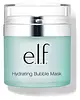
This wash off mask is made with Dipotassium Glycyrrhizate and Ceramide AP for a rinse-off hydration boost.
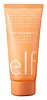
This mild gel cleanser is mild enough to cleanse without leaving skin feeling tight or stripped.

What's inside
What's inside
 Key Ingredients
Benefits
Concerns
Ingredients Side-by-side
Water
Skin ConditioningLauryl Glucoside
CleansingGlycerin
Humectant


Potassium Cocoyl Glycinate
Surfactant
Methyl Perfluorobutyl Ether
SolventMethyl Perfluoroisobutyl Ether
SolventDecyl Glucoside
Cleansing
Acrylates Copolymer
Cocamide Mea
Emulsifying
Sodium Polyglutamate
HumectantButylene Glycol
Humectant
Pvp
Emulsion StabilisingDisodium EDTA
ChelatingDipotassium Glycyrrhizate
Humectant

Polysorbate 20
Emulsifying

Propanediol
Solvent
Polyacrylate-13
Ceramide AP
Skin Conditioning

1,2-Hexanediol
Skin Conditioning
Polyisobutene
Caprylhydroxamic Acid
ChelatingSorbitan Isostearate
Emulsifying
Parfum
Masking



Water, Lauryl Glucoside, Glycerin, Potassium Cocoyl Glycinate, Methyl Perfluorobutyl Ether, Methyl Perfluoroisobutyl Ether, Decyl Glucoside, Acrylates Copolymer, Cocamide Mea, Sodium Polyglutamate, Butylene Glycol, Pvp, Disodium EDTA, Dipotassium Glycyrrhizate, Polysorbate 20, Propanediol, Polyacrylate-13, Ceramide AP, 1,2-Hexanediol, Polyisobutene, Caprylhydroxamic Acid, Sorbitan Isostearate, Parfum
Water
Skin ConditioningDecyl Glucoside
Cleansing
Lauryl Glucoside
CleansingCocamidopropyl Betaine
Cleansing
Sodium Lauroyl Sarcosinate
CleansingGlycereth-7
HumectantPEG-120 Methyl Glucose Dioleate
Emulsifying
Niacinamide
Smoothing






Lavandula Angustifolia Oil
Masking


Xanthan Gum
EmulsifyingCocamide Mea
Emulsifying
Glycol Stearate
Emollient
DMDM Hydantoin
Preservative
Disodium EDTA
ChelatingCitric Acid
Buffering
Butylene Glycol
Humectant
Iodopropynyl Butylcarbamate
Preservative
Water, Decyl Glucoside, Lauryl Glucoside, Cocamidopropyl Betaine, Sodium Lauroyl Sarcosinate, Glycereth-7, PEG-120 Methyl Glucose Dioleate, Niacinamide, Lavandula Angustifolia Oil, Xanthan Gum, Cocamide Mea, Glycol Stearate, DMDM Hydantoin, Disodium EDTA, Citric Acid, Butylene Glycol, Iodopropynyl Butylcarbamate
Ingredients Explained
These ingredients are found in both products.
Ingredients higher up in an ingredient list are typically present in a larger amount.
Butylene Glycol (or BG) is used within cosmetic products for a few different reasons:
Overall, Butylene Glycol is a safe and well-rounded ingredient that works well with other ingredients.
Though this ingredient works well with most skin types, some people with sensitive skin may experience a reaction such as allergic rashes, closed comedones, or itchiness.
Learn more about Butylene GlycolThis ingredient is made by combining the fatty acids from coconut oil with monoethanolamine. It is an emulsifier that helps boost foam, thicken texture, and help keep ingredients together in a formula.
Decyl Glucoside is a plant-derived surfactant and emulsion stabilizer. It is created by reacting glucose with the fatty acids from plants.
Like all surfactants, it works by lowering the surface tension between water and oil. This makes it so that dirt, sebum, and makeup can be lifted off your skin and rinsed away. It also produces a dense and creamy foam.
Because it has a neutral charge, it is compatible with a wide range of ingredients and stays stable across a broad pH range/water hardiness conditions.
Patch testing has shown it to have the lowest irritation potential among common cleansing surfactants (like SLS).
Typical use levels range from 5-20% in rinse-off cleansers.
One thing worth knowing: The American Contact Dermatitis Society named the parent family, alkyl glucosides, "Allergen of the Year" in 2017. The prevalence of allergy is pretty low but be sure to patch test if you've reacted to "gentle" or sulfate-free cleansers before.
This ingredient is fungal acne safe because the fatty alcohol portion of this ingredient is not within the C11-24 chain length that Malassezia can metabolize.
Learn more about Decyl GlucosideDisodium EDTA is a chelating agent. It grabs onto and deactivates metal ions that sneak into your products from water, packaging, or air.
This ingredient mainly works behind the scenes and helps with:
On top of that, this ingredient can counteract the effects of hard water by binding to the minerals in it.
One thing worth knowing is that Disodium EDTA has been shown to be a mild penetration enhancer. It can help other ingredients absorb into skin more effectively which can be a double-edged sword (great for actives, but can also make the active too strong if you have sensitive skin).
Clinical patch testing showed no significant skin irritation at typical use concentrations and minimal dermal absorption.
You'll most likely see this ingredient near the end of an ingredient list. It's typically found in concentrations less than 1%.
Learn more about Disodium EDTALauryl Glucoside sugar- and lipid-based cleansing agent. It is created from glucose and lauryl alcohol.
This ingredient is a surfactant, making it easier to rinse oil, dirt, and other pollutants away.
A British study found lauryl glucoside to cause skin sensitivity for some people. We recommend speaking with a professional if you have concerns.
Other names for this ingredient include "Lauryl Polyglucose", "Lauryl glycoside", and "D-Glucopyranoside".
Learn more about Lauryl GlucosideWater. It's the most common cosmetic ingredient of all. You'll usually see it at the top of ingredient lists, meaning that it makes up the largest part of the product.
So why is it so popular? Water most often acts as a solvent - this means that it helps dissolve other ingredients into the formulation.
You'll also recognize water as that liquid we all need to stay alive. If you see this, drink a glass of water. Remember to stay hydrated!
Learn more about Water

