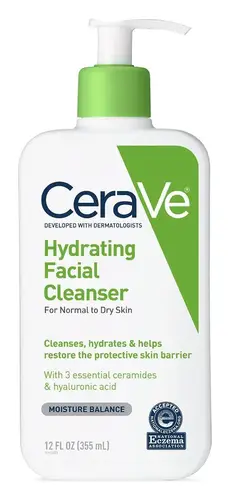
This salicylic acid gel cleanser is formulated around Salicylic Acid to clear breakouts and unclog pores.
This oil-based cleanser is formulated around Salicylic Acid to clear breakouts and unclog pores.

What's inside
What's inside
 Key Ingredients
Benefits
Concerns
Ingredients Side-by-side
Water
Skin ConditioningSalicylic Acid
Masking










Cocamidopropyl Dimethylamine
Emulsifying
Pseudoalteromonas Ferment Extract
Humectant

Disodium Lauryl Sulfosuccinate
CleansingDecyl Glucoside
Cleansing
Cocamidopropyl Betaine
Cleansing
Glycerin
Humectant


Propylene Glycol
Humectant
Olea Europaea Fruit Oil
Masking


PEG-7 Glyceryl Cocoate
Emulsifying
Tazarotene
Skin Conditioning


Sodium Hyaluronate
Humectant
Panthenol
Skin Conditioning
Caprylic/Capric Triglyceride
Masking
Polyquaternium-10
Lysine Azelate
BleachingGlycolic Acid
Buffering

Citric Acid
Buffering
PEG-90m
Emulsion StabilisingTocopheryl Acetate
Antioxidant

Disodium EDTA
Sodium Benzoate
Masking
Phenoxyethanol
Preservative
Ethylhexylglycerin
Skin ConditioningCI 42090
Cosmetic ColorantWater, Salicylic Acid, Cocamidopropyl Dimethylamine, Pseudoalteromonas Ferment Extract, Disodium Lauryl Sulfosuccinate, Decyl Glucoside, Cocamidopropyl Betaine, Glycerin, Propylene Glycol, Olea Europaea Fruit Oil, PEG-7 Glyceryl Cocoate, Tazarotene, Sodium Hyaluronate, Panthenol, Caprylic/Capric Triglyceride, Polyquaternium-10, Lysine Azelate, Glycolic Acid, Citric Acid, PEG-90m, Tocopheryl Acetate, Disodium EDTA, Sodium Benzoate, Phenoxyethanol, Ethylhexylglycerin, CI 42090

Reviews
Ingredients Explained
These ingredients are found in both products.
Ingredients higher up in an ingredient list are typically present in a larger amount.
Panthenol is a common ingredient that helps hydrate and soothe the skin. It is found naturally in our skin and hair.
There are two forms of panthenol: D and L.
D-panthenol is also known as dexpanthenol. Most cosmetics use dexpanthenol or a mixture of D and L-panthenol.
Panthenol is famous due to its ability to go deeper into the skin's layers. Using this ingredient has numerous pros (and no cons):
Like hyaluronic acid, panthenol is a humectant. Humectants are able to bind and hold large amounts of water to keep skin hydrated.
This ingredient works well for wound healing. It works by increasing tissue in the wound and helps close open wounds.
Once oxidized, panthenol converts to pantothenic acid. Panthothenic acid is found in all living cells.
This ingredient is also referred to as pro-vitamin B5.
Learn more about PanthenolSalicylic Acid (also known as beta hydroxy acid or BHA) is a well-known ingredient for treating skin that struggles with acne and clogged pores. It exfoliates both the skin's surface and deep within the pores to help clear out buildup, control oil, and reduce inflammation.
Unlike AHAs (alpha hydroxy acids), salicylic acid is oil-soluble. This allows it to penetrate into pores which makes it especially effective for treating blackheads and preventing future breakouts.
Salicylic acid is also known for its soothing properties. It has a similar structure to aspirin and can calm inflamed or irritated skin, making it a good option for acne-prone skin that is also sensitive.
Concentrations of 0.5-2% are recognized by the U.S. FDA as an over-the-counter topical acne product.
It can cause irritation and/or dryness if one's skin already has a compromised moisture barrier, so it's best to focus on repairing that before introducing this ingredient into your routine.
While salicylic acid does not increase sun sensitivity, it’s still important to wear sunscreen daily to protect your skin.
If you are looking for the ingredient called BHA or Butylated Hydroxyanisole, click here.
Learn more about Salicylic Acid