

What's inside
What's inside
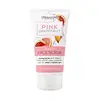 Key Ingredients
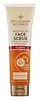
Benefits
Concerns
Ingredients Side-by-side
Water
Skin ConditioningSodium Laureth Sulfate
Cleansing



Cocamidopropyl Betaine
Cleansing

Acrylates/C10-30 Alkyl Acrylate Crosspolymer
Emulsion StabilisingOryza Sativa Germ Powder
Abrasive
Polysorbate 20
Emulsifying
Sodium Chloride
MaskingParfum
Masking

Sodium Benzoate
Masking
Sodium Cocoamphoacetate
CleansingPotassium Sorbate
Preservative
Disodium EDTA
ChelatingJuglans Regia Shell Powder
Abrasive
Sodium Hydroxide
BufferingGlycerin
Humectant


Tocopheryl Acetate
Antioxidant


Citrus Paradisi Fruit Extract
Skin ConditioningPEG-18 Glyceryl Oleate/Cocoate
Emulsifying
CI 14700
Cosmetic ColorantCI 19140
Cosmetic ColorantWater, Sodium Laureth Sulfate, Cocamidopropyl Betaine, Acrylates/C10-30 Alkyl Acrylate Crosspolymer, Oryza Sativa Germ Powder, Polysorbate 20, Sodium Chloride, Parfum, Sodium Benzoate, Sodium Cocoamphoacetate, Potassium Sorbate, Disodium EDTA, Juglans Regia Shell Powder, Sodium Hydroxide, Glycerin, Tocopheryl Acetate, Citrus Paradisi Fruit Extract, PEG-18 Glyceryl Oleate/Cocoate, CI 14700, CI 19140
Water
Skin ConditioningSodium Laureth Sulfate
Cleansing
Polysorbate 20
Emulsifying
Propylene Glycol
Humectant
Cocamidopropyl Betaine
Cleansing
Glycereth-26
Humectant
Triethanolamine
BufferingAcrylates/C10-30 Alkyl Acrylate Crosspolymer
Emulsion StabilisingPrunus Armeniaca Seed Powder
Abrasive
Parfum
Masking
Aspalathus Linearis Leaf Extract
Skin ConditioningSodium Metabisulfite
Antioxidant
Caprylyl Glycol
Emollient
Phenoxyethanol
Preservative
Sodium Benzoate
Masking
Sodium Sulfite
Preservative
Hexyl Cinnamal
Perfuming
Butylphenyl Methylpropional
Perfuming
Linalool
Perfuming
Water, Sodium Laureth Sulfate, Polysorbate 20, Propylene Glycol, Cocamidopropyl Betaine, Glycereth-26, Triethanolamine, Acrylates/C10-30 Alkyl Acrylate Crosspolymer, Prunus Armeniaca Seed Powder, Parfum, Aspalathus Linearis Leaf Extract, Sodium Metabisulfite, Caprylyl Glycol, Phenoxyethanol, Sodium Benzoate, Sodium Sulfite, Hexyl Cinnamal, Butylphenyl Methylpropional, Linalool
Ingredients Explained
These ingredients are found in both products.
Ingredients higher up in an ingredient list are typically present in a larger amount.
Acrylates/C10-30 Alkyl Acrylate Crosspolymer is a synthetic polymer. It is used to thicken, emulsify, and improve the texture of products.
As an emulsifier, it helps stabilize oil-in-water emulsions to give products an elegant feel when applied.
It can also form a thin protective film on skin. One study found that a formula using this polymer helped slow down how quickly other ingredients (like DEET) were absorbed through skin.
A 2024 study of over 1,300 patients confirmed that sensitization to this ingredient is rare. It is also non-mutagenic and has a clean track record.
Learn more about Acrylates/C10-30 Alkyl Acrylate CrosspolymerCocamidopropyl Betaine is a fatty acid created by mixing similar compounds in coconut oil and dimethylaminopropylamine, a compound with two amino groups.
This ingredient is a surfactant and cleanser. It helps gather the dirt, pollutants, and other impurities in your skin to be washed away. It also helps thicken a product and make the texture more creamy.
Being created from coconut oil means Cocamidopropyl Betaine is hydrating for the skin.
While Cocamidopropyl Betaine was believed to be an allergen, a study from 2012 disproved this. It found two compounds in unpure Cocamidopropyl Betaine to be the irritants: aminoamide and 3-dimethylaminopropylamine. High-grade and pure Cocamidopropyl Betaine did not induce allergic reactions during this study.
Learn more about Cocamidopropyl BetaineParfum is a catch-all term for an ingredient or more that is used to give a scent to products.
Also called "fragrance", this ingredient can be a blend of hundreds of chemicals or plant oils. This means every product with "fragrance" or "parfum" in the ingredients list is a different mixture.
For instance, Habanolide is a proprietary trade name for a specific aroma chemical. When used as a fragrance ingredient in cosmetics, most aroma chemicals fall under the broad labeling category of “FRAGRANCE” or “PARFUM” according to EU and US regulations.
The term 'parfum' or 'fragrance' is not regulated in many countries. In many cases, it is up to the brand to define this term.
For instance, many brands choose to label themselves as "fragrance-free" because they are not using synthetic fragrances. However, their products may still contain ingredients such as essential oils that are considered a fragrance by INCI standards.
One example is Calendula flower extract. Calendula is an essential oil that still imparts a scent or 'fragrance'.
Depending on the blend, the ingredients in the mixture can cause allergies and sensitivities on the skin. Some ingredients that are known EU allergens include linalool and citronellol.
Parfum can also be used to mask or cover an unpleasant scent.
The bottom line is: not all fragrances/parfum/ingredients are created equally. If you are worried about fragrances, we recommend taking a closer look at an ingredient. And of course, we always recommend speaking with a professional.
Learn more about ParfumPolysorbate 20 is a gentle, water-soluble emulsifier and mild surfactant. It stops oil and water from separating to keep your formulas blended and stable.
It also acts as a mild penetration enhancer by helping active ingredients absorb slightly better.
The common safety discussion around this ingredient involves a manufacturing byproduct called 1,4-dioxane.
Trace amounts can form during production but the EU's Scientific Committee on Consumer Safety has concluded that levels at/below 10 ppm in finished products are safe (commercial products consistently fall within acceptable margins).
True allergic reactions are uncommon and the CIR Expert Panel has confirmed this ingredient to be safe as used in cosmetics.
Because it is derived from lauric acid, it may not be fungal acne safe.
Learn more about Polysorbate 20Sodium Benzoate is a preservative. It's used in both cosmetic and food products to inhibit the growth of mold and bacteria. It is typically produced synthetically.
Both the US FDA and EU Health Committee have approved the use of sodium benzoate. In the US, levels of 0.1% (of the total product) are allowed.
Sodium benzoate works as a preservative by inhibiting the growth of bacteria inside of cells. It prevents the cell from fermenting a type of sugar using an enzyme called phosphofructokinase.
It is the salt of benzoic acid. Foods containing sodium benzoate include soda, salad dressings, condiments, fruit juices, wines, and snack foods.
Studies for using ascorbic acid and sodium benzoate in cosmetics are lacking, especially in skincare routines with multiple steps.
We always recommend speaking with a professional, such as a dermatologist, if you have any concerns.
Learn more about Sodium BenzoateSodium Laureth Sulfate (SLES) is a foaming, cleansing, and emulsifying ingredient. It is created from palm kernel oil or coconut oil. SLES is not the same as sodium lauryl sulfate. It is much milder and less likely to irritate.
SLES helps create foam in personal products. It also prevents ingredients from separating, helping to elongate the shelf life.
Sodium Laureth Sulfate is a type of sulfate. It can be drying. We recommend speaking with a professional about using this ingredient if you have concerns.
Learn more about Sodium Laureth SulfateWater. It's the most common cosmetic ingredient of all. You'll usually see it at the top of ingredient lists, meaning that it makes up the largest part of the product.
So why is it so popular? Water most often acts as a solvent - this means that it helps dissolve other ingredients into the formulation.
You'll also recognize water as that liquid we all need to stay alive. If you see this, drink a glass of water. Remember to stay hydrated!
Learn more about Water

