

What's inside
What's inside
 Key Ingredients
Benefits
Concerns
Ingredients Side-by-side
Water
Skin ConditioningDisodium Laureth Sulfosuccinate
CleansingSodium C14-16 Olefin Sulfonate
Cleansing

Cocamidopropyl Betaine
Cleansing

Sodium Chloride
MaskingHydrogenated Poly(C6-14 Olefin)
EmollientPolysorbate 20
Emulsifying
Zingiber Officinale Root Oil
Masking



Zingiber Officinale Root Extract
Masking
Honey Extract
Humectant
Propolis Extract
Skin Conditioning


Royal Jelly Extract
Skin Conditioning
Argania Spinosa Kernel Oil
Emollient


Olea Europaea Fruit Oil
Masking
Simmondsia Chinensis Seed Oil
Emollient
Polyquaternium-10
Piroctone Olamine
Preservative
Methylpropanediol
SolventLaurylpyridinium Chloride
AntimicrobialAllantoin
Skin Conditioning
Caramel
Cosmetic ColorantDisodium EDTA
Parfum
Masking
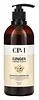
Water, Disodium Laureth Sulfosuccinate, Sodium C14-16 Olefin Sulfonate, Cocamidopropyl Betaine, Sodium Chloride, Hydrogenated Poly(C6-14 Olefin), Polysorbate 20, Zingiber Officinale Root Oil, Zingiber Officinale Root Extract, Honey Extract, Propolis Extract, Royal Jelly Extract, Argania Spinosa Kernel Oil, Olea Europaea Fruit Oil, Simmondsia Chinensis Seed Oil, Polyquaternium-10, Piroctone Olamine, Methylpropanediol, Laurylpyridinium Chloride, Allantoin, Caramel, Disodium EDTA, Parfum
Water
Skin ConditioningSodium Laureth Sulfate
Cleansing

Cocamidopropyl Betaine
Cleansing
Glycol Distearate
Emollient
Guar Hydroxypropyltrimonium Chloride
Skin ConditioningPropyltrimoniumchloride Acrylamide/Dimethylacrylamide Copolymer
Camellia Seed Oil
Sodium Dilauramidoglutamide Lysine
HumectantSqualane
Emollient
Royal Jelly Extract
Skin Conditioning
Glycine Max Seed Extract
Skin ConditioningSorbitol
Humectant
PEG-2 Laurate
Emulsifying
Sodium Sulfate
Dipropylene Glycol
HumectantLauric Acid
Cleansing

Dimethiconol
Emollient
Salicylic Acid
Masking



Citric Acid
Buffering
Disodium EDTA
Sodium Lauryl Sulfate
Cleansing
Butylene Glycol
Humectant
Tocopherol
Antioxidant

Phenoxyethanol
Preservative
Sodium Benzoate
Masking
Aroma
CI 19140
Cosmetic ColorantCI 15985
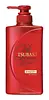
Cosmetic ColorantWater, Sodium Laureth Sulfate, Cocamidopropyl Betaine, Glycol Distearate, Guar Hydroxypropyltrimonium Chloride, Propyltrimoniumchloride Acrylamide/Dimethylacrylamide Copolymer, Camellia Seed Oil, Sodium Dilauramidoglutamide Lysine, Squalane, Royal Jelly Extract, Glycine Max Seed Extract, Sorbitol, PEG-2 Laurate, Sodium Sulfate, Dipropylene Glycol, Lauric Acid, Dimethiconol, Salicylic Acid, Citric Acid, Disodium EDTA, Sodium Lauryl Sulfate, Butylene Glycol, Tocopherol, Phenoxyethanol, Sodium Benzoate, Aroma, CI 19140, CI 15985
Reviews
Ingredients Explained
These ingredients are found in both products.
Ingredients higher up in an ingredient list are typically present in a larger amount.
Cocamidopropyl Betaine is a fatty acid created by mixing similar compounds in coconut oil and dimethylaminopropylamine, a compound with two amino groups.
This ingredient is a surfactant and cleanser. It helps gather the dirt, pollutants, and other impurities in your skin to be washed away. It also helps thicken a product and make the texture more creamy.
Being created from coconut oil means Cocamidopropyl Betaine is hydrating for the skin.
While Cocamidopropyl Betaine was believed to be an allergen, a study from 2012 disproved this. It found two compounds in unpure Cocamidopropyl Betaine to be the irritants: aminoamide and 3-dimethylaminopropylamine. High-grade and pure Cocamidopropyl Betaine did not induce allergic reactions during this study.
Learn more about Cocamidopropyl BetaineDisodium EDTA is a chelating agent. It grabs onto and deactivates metal ions that sneak into your products from water, packaging, or air.
This ingredient mainly works behind the scenes and helps with:
On top of that, this ingredient can counteract the effects of hard water by binding to the minerals in it.
One thing worth knowing is that Disodium EDTA has been shown to be a mild penetration enhancer. It can help other ingredients absorb into skin more effectively which can be a double-edged sword (great for actives, but can also make the active too strong if you have sensitive skin).
Clinical patch testing showed no significant skin irritation at typical use concentrations and minimal dermal absorption.
You'll most likely see this ingredient near the end of an ingredient list. It's typically found in concentrations less than 1%.
Learn more about Disodium EDTARoyal Jelly Extract comes from a secretion made by worker honeybees. This secretion is white and described as creamy.
This compound has antibacterial, anti-aging, and anti-inflammatory properties.
Studies show Royal Jelly to contain amino acids, fatty acids, and a variety of vitamins, including Vitamin Bs. Many of these components are antioxidants, which help with anti-aging. The fatty acids in Royal Jelly make it a hydrating ingredient.
Several animal studies show Royal Jelly to boost collagen production and reduce inflammation.
The Vitamin Bs found in Royal Jelly include:
Royal Jelly is derived from honeybees. This means it is not vegan.
Learn more about Royal Jelly ExtractWater. It's the most common cosmetic ingredient of all. You'll usually see it at the top of ingredient lists, meaning that it makes up the largest part of the product.
So why is it so popular? Water most often acts as a solvent - this means that it helps dissolve other ingredients into the formulation.
You'll also recognize water as that liquid we all need to stay alive. If you see this, drink a glass of water. Remember to stay hydrated!
Learn more about Water

