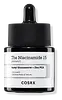
This oil-control serum is formulated around Niacinamide and Acetyl Glucosamine to balance excess oil and refine the look of pores.
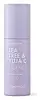
This oil-control essence is formulated around Polymethyl Methacrylate to balance excess oil.

What's inside
What's inside
 Key Ingredients
Benefits
Concerns
No concerns
Ingredients Side-by-side






Water
Skin ConditioningDipropylene Glycol
Humectant1,2-Hexanediol
Skin Conditioning
Phenyl Trimethicone
Skin Conditioning
Polymethyl Methacrylate

Diphenylsiloxy Phenyl Trimethicone
Skin Conditioning
Hydrogenated Poly(C6-14 Olefin)
EmollientGlycerin
Humectant

C14-22 Alcohols
Emulsion Stabilising
Jojoba Esters
Emollient

Sodium Polyacrylate
Absorbent
Dimethicone/Phenyl Vinyl Dimethicone Crosspolymer
Hydrogenated Polydecene
EmollientPolyquaternium-51
Skin Conditioning
Hydrolyzed Jojoba Esters
Skin Conditioning
C12-20 Alkyl Glucoside
EmulsifyingArginine
Masking
Acrylates/C10-30 Alkyl Acrylate Crosspolymer
Emulsion StabilisingEthylhexylglycerin
Skin ConditioningCarbomer
Emulsion StabilisingXanthan Gum
EmulsifyingGlyceryl Acrylate/Acrylic Acid Copolymer
HumectantPyrus Communis Fruit Extract
Skin ConditioningRosa Damascena Flower Water
Masking

Anthemis Nobilis Flower Oil
Masking



Caprylyl/Capryl Glucoside
CleansingThuja Occidentalis Leaf Oil
Masking
Disodium EDTA
ChelatingPrunus Persica Fruit Extract
Abrasive
Butylene Glycol
Humectant
Jasminum Officinale Flower Water
MaskingRosmarinus Officinalis Leaf Oil
Masking
Citrus Aurantium Amara Flower Extract
RefreshingHedera Helix Leaf/Stem Extract
AntimicrobialCucumis Melo Fruit Extract
Skin ConditioningCitrus Junos Fruit Extract
Skin ConditioningMelaleuca Alternifolia Leaf Extract
Perfuming
Hydroxyacetophenone
Antioxidant
Tocopherol
Antioxidant



Water, Dipropylene Glycol, 1,2-Hexanediol, Phenyl Trimethicone, Polymethyl Methacrylate, Diphenylsiloxy Phenyl Trimethicone, Hydrogenated Poly(C6-14 Olefin), Glycerin, C14-22 Alcohols, Jojoba Esters, Sodium Polyacrylate, Dimethicone/Phenyl Vinyl Dimethicone Crosspolymer, Hydrogenated Polydecene, Polyquaternium-51, Hydrolyzed Jojoba Esters, C12-20 Alkyl Glucoside, Arginine, Acrylates/C10-30 Alkyl Acrylate Crosspolymer, Ethylhexylglycerin, Carbomer, Xanthan Gum, Glyceryl Acrylate/Acrylic Acid Copolymer, Pyrus Communis Fruit Extract, Rosa Damascena Flower Water, Anthemis Nobilis Flower Oil, Caprylyl/Capryl Glucoside, Thuja Occidentalis Leaf Oil, Disodium EDTA, Prunus Persica Fruit Extract, Butylene Glycol, Jasminum Officinale Flower Water, Rosmarinus Officinalis Leaf Oil, Citrus Aurantium Amara Flower Extract, Hedera Helix Leaf/Stem Extract, Cucumis Melo Fruit Extract, Citrus Junos Fruit Extract, Melaleuca Alternifolia Leaf Extract, Hydroxyacetophenone, Tocopherol
Reviews
Ingredients Explained
These ingredients are found in both products.
Ingredients higher up in an ingredient list are typically present in a larger amount.
1,2-Hexanediol is a synthetic liquid and another multi-functional powerhouse.
It is a:
- Humectant, drawing moisture into the skin
- Emollient, helping to soften skin
- Solvent, dispersing and stabilizing formulas
- Preservative booster, enhancing the antimicrobial activity of other preservatives
Butylene Glycol (or BG) is used within cosmetic products for a few different reasons:
Overall, Butylene Glycol is a safe and well-rounded ingredient that works well with other ingredients.
Though this ingredient works well with most skin types, some people with sensitive skin may experience a reaction such as allergic rashes, closed comedones, or itchiness.
Learn more about Butylene GlycolEthylhexylglycerin is created from glycerin. It is a multitasker ingredient that:
The CIR Expert Panel found minimal skin absorption or sensitization of any kind in a safety assessment. Though this ingredient is considered well-tolerated, a small number of cases of allergic dermatitis have been published since 2002. Just be sure to patch test if you are unsure.
Industry-reported use ranges from 8% in rinse-off products and 2% in leave-on formulations.
Learn more about EthylhexylglycerinTocopherol is a fat-soluble antioxidant known as Vitamin E.
You'll find this ingredient in the vast majority of skincare (for good reason). It works to neutralize free radicals, or unstable molecules generated by UV exposure, pollution, and other environmental stressors, before they can cause oxidative damage to your skin cells.
Topically applied tocopherol has been shown to protect against UV damage by ramping up the skin's own natural defense enzymes.
It also acts as a skin conditioning agent; some studies show that regular topical use can improve the skin's water-binding capacity over 2-4 weeks.
This ingredient is especially loved for being a team player. When combined with Vitamin C, the photoprotective effect of both ingredients roughly doubles and the combo also helps reduce UV-induced DNA damage.
This ingredient has some brightening potential but it's more of a prevention ingredient than spot-fader. Cell studies show it can slow down melanin production but it's worth noting that it's not the most powerful brightener out there.
In formulations, it also serves as a stabilizer that helps protect other oxidation-prone ingredients from degrading.
Concentrations usually range from 0.1-1% in most leave-on products.
Learn more about TocopherolWater. It's the most common cosmetic ingredient of all. You'll usually see it at the top of ingredient lists, meaning that it makes up the largest part of the product.
So why is it so popular? Water most often acts as a solvent - this means that it helps dissolve other ingredients into the formulation.
You'll also recognize water as that liquid we all need to stay alive. If you see this, drink a glass of water. Remember to stay hydrated!
Learn more about WaterXanthan gum is used as a stabilizer and thickener within cosmetic products. It helps give products a sticky, thick feeling - preventing them from being too runny.
On the technical side of things, xanthan gum is a polysaccharide - a combination consisting of multiple sugar molecules bonded together.
Xanthan gum is a pretty common and great ingredient. It is a natural, non-toxic, non-irritating ingredient that is also commonly used in food products.
Learn more about Xanthan Gum

