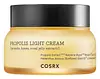
This calming moisturizer is formulated around Propolis Extract and Honey Extract to calm redness and hydrate skin.
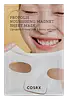
This hydrating sheet mask is formulated around Panthenol and Propolis Extract to hydrate skin and calm redness.

What's inside
What's inside
 Key Ingredients
Benefits
Concerns
Ingredients Side-by-side
Propolis Extract
Skin Conditioning




Butylene Glycol
Humectant

Glycerin
Humectant
Caprylic/Capric Triglyceride
Masking
Helianthus Annuus Seed Oil
Emollient


1,2-Hexanediol
Skin Conditioning
Honey Extract
Humectant
Royal Jelly Extract
Skin Conditioning
Hydroxyethyl Acrylate/Sodium Acryloyldimethyl Taurate Copolymer
Emulsion StabilisingCassia Obtusifolia Seed Extract
Skin ConditioningCetearyl Olivate
Beeswax
Emulsion Stabilising


Cetearyl Alcohol
Emollient
Sorbitan Olivate
Emulsifying
Allantoin
Skin Conditioning
Arginine
Masking
Carbomer
Emulsion StabilisingXanthan Gum
EmulsifyingPropolis Extract, Butylene Glycol, Glycerin, Caprylic/Capric Triglyceride, Helianthus Annuus Seed Oil, 1,2-Hexanediol, Honey Extract, Royal Jelly Extract, Hydroxyethyl Acrylate/Sodium Acryloyldimethyl Taurate Copolymer, Cassia Obtusifolia Seed Extract, Cetearyl Olivate, Beeswax, Cetearyl Alcohol, Sorbitan Olivate, Allantoin, Arginine, Carbomer, Xanthan Gum
Water
Skin ConditioningDipropylene Glycol
HumectantGlycereth-26
Humectant
Butylene Glycol
Humectant
1,2-Hexanediol
Skin Conditioning
Panthenol
Skin Conditioning
Trehalose
Humectant
Hexylene Glycol
EmulsifyingHydroxyacetophenone
Antioxidant
Xanthan Gum
EmulsifyingPropolis Extract
Skin Conditioning
Royal Jelly Extract
Skin Conditioning
Honey Extract
Humectant
Disodium EDTA
Polyglyceryl-10 Myristate
Skin Conditioning
Polyglyceryl-10 Laurate
Skin Conditioning
Pimpinella Anisum Fruit Extract
MaskingVanilla Planifolia Fruit Extract
Skin Conditioning
Camellia Sinensis Leaf Extract
Antimicrobial


Rosa Centifolia Flower Water
Skin ConditioningPyrus Communis Fruit Extract
Skin ConditioningCocos Nucifera Oil
Masking
Fragaria Chiloensis Fruit Extract
Skin Conditioning
Rosa Damascena Flower Water
Masking
Water, Dipropylene Glycol, Glycereth-26, Butylene Glycol, 1,2-Hexanediol, Panthenol, Trehalose, Hexylene Glycol, Hydroxyacetophenone, Xanthan Gum, Propolis Extract, Royal Jelly Extract, Honey Extract, Disodium EDTA, Polyglyceryl-10 Myristate, Polyglyceryl-10 Laurate, Pimpinella Anisum Fruit Extract, Vanilla Planifolia Fruit Extract, Camellia Sinensis Leaf Extract, Rosa Centifolia Flower Water, Pyrus Communis Fruit Extract, Cocos Nucifera Oil, Fragaria Chiloensis Fruit Extract, Rosa Damascena Flower Water
Reviews
Ingredients Explained
These ingredients are found in both products.
Ingredients higher up in an ingredient list are typically present in a larger amount.
1,2-Hexanediol is a synthetic liquid and another multi-functional powerhouse.
It is a:
- Humectant, drawing moisture into the skin
- Emollient, helping to soften skin
- Solvent, dispersing and stabilizing formulas
- Preservative booster, enhancing the antimicrobial activity of other preservatives
Butylene Glycol (or BG) is used within cosmetic products for a few different reasons:
Overall, Butylene Glycol is a safe and well-rounded ingredient that works well with other ingredients.
Though this ingredient works well with most skin types, some people with sensitive skin may experience a reaction such as allergic rashes, closed comedones, or itchiness.
Learn more about Butylene GlycolThis ingredient comes from honey made by bees. It is hydrating, antibacterial, anti-aging, and skin soothing.
Honey also contains amino acids, peptides, Vitamins A, C, and E.
The humectant property of honey draws moisture from the air to your skin. This makes it great at helping to hydrate the skin.
Honey may help reduce the signs of aging due to its antioxidant properties. Fun fact: darker honey has more antioxidants than light honey. The antibacterial property of honey may make it effective at helping to treat acne by killing acne-causing bacteria.
Many people wonder if honey extract is vegan. It is technically a byproduct from bees. This is because honey is created from the digestive enzymes in a bee's stomach.
Remember to be kind to bees :) They are important for many ecosystems and are endangered.
Learn more about Honey ExtractPropolis Extract is a natural ingredient derived from propolis (also known as bee glue). Bees make propolis by mixing their saliva and beeswax with resins collected from tree buds and plants.
This ingredient is packed with bioactive compounds like flavonoids, phenolic acids, and amino acids that give it antioxidant and anti-inflammatory properties.
Research shows it can help:
It also pairs nicely with hydrating ingredients like niacinamide and ceramides.
Just so you know, Propolis Extract is recognized as a contact allergen. In patch tests done in the EU, roughly 1-6% of patients react to it. Be sure to steer clear of this ingredient if you have a known allergy to bee products.
Since it is an animal-derived product, this ingredient is not considered vegan. For vegan alternatives, check out Galactomyces Ferment Filtrate or Centella Asiatica Extract.
Learn more about Propolis ExtractRoyal Jelly Extract comes from a secretion made by worker honeybees. This secretion is white and described as creamy.
This compound has antibacterial, anti-aging, and anti-inflammatory properties.
Studies show Royal Jelly to contain amino acids, fatty acids, and a variety of vitamins, including Vitamin Bs. Many of these components are antioxidants, which help with anti-aging. The fatty acids in Royal Jelly make it a hydrating ingredient.
Several animal studies show Royal Jelly to boost collagen production and reduce inflammation.
The Vitamin Bs found in Royal Jelly include:
Royal Jelly is derived from honeybees. This means it is not vegan.
Learn more about Royal Jelly ExtractXanthan gum is used as a stabilizer and thickener within cosmetic products. It helps give products a sticky, thick feeling - preventing them from being too runny.
On the technical side of things, xanthan gum is a polysaccharide - a combination consisting of multiple sugar molecules bonded together.
Xanthan gum is a pretty common and great ingredient. It is a natural, non-toxic, non-irritating ingredient that is also commonly used in food products.
Learn more about Xanthan Gum

