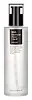
This pore-care exfoliator is formulated around Salix Alba Bark Water and Betaine Salicylate to refine the look of pores and clear breakouts.
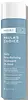
This pore-care exfoliator is formulated around Salicylic Acid and Palmitoyl Tripeptide-1 to refine the look of pores and refine skin texture.


What's inside
What's inside
 Key Ingredients
Benefits
Concerns
Ingredients Side-by-side


Water
Skin ConditioningDipropylene Glycol
HumectantSalicylic Acid
Masking










Pentylene Glycol
Skin Conditioning
Butylene Glycol
Humectant
Polysorbate 20
Emulsifying
Palmitoyl Tripeptide-1
Skin Conditioning


Palmitoyl Tetrapeptide-7
Skin Conditioning
Dipotassium Glycyrrhizate
Humectant

Nordihydroguaiaretic Acid
Antioxidant
Oleanolic Acid
Skin ConditioningSodium Hyaluronate
Humectant
Allantoin
Skin Conditioning
Trehalose
Humectant
Panthenol
Skin Conditioning
Glycerin
Humectant
PEG-60 Almond Glycerides
Emulsifying
Sodium Metabisulfite
Antioxidant
PEG/PPG-17/6 Copolymer
SolventMethyl Gluceth-20
Humectant
Bis-PEG-18 Methyl Ether Dimethyl Silane
EmollientGlycereth-26
Humectant
Sodium Hydroxide
BufferingCarbomer
Emulsion StabilisingDisodium EDTA
ChelatingCaprylyl Glycol
Emollient
Water, Dipropylene Glycol, Salicylic Acid, Pentylene Glycol, Butylene Glycol, Polysorbate 20, Palmitoyl Tripeptide-1, Palmitoyl Tetrapeptide-7, Dipotassium Glycyrrhizate, Nordihydroguaiaretic Acid, Oleanolic Acid, Sodium Hyaluronate, Allantoin, Trehalose, Panthenol, Glycerin, PEG-60 Almond Glycerides, Sodium Metabisulfite, PEG/PPG-17/6 Copolymer, Methyl Gluceth-20, Bis-PEG-18 Methyl Ether Dimethyl Silane, Glycereth-26, Sodium Hydroxide, Carbomer, Disodium EDTA, Caprylyl Glycol
Reviews
Ingredients Explained
These ingredients are found in both products.
Ingredients higher up in an ingredient list are typically present in a larger amount.
Butylene Glycol (or BG) is used within cosmetic products for a few different reasons:
Overall, Butylene Glycol is a safe and well-rounded ingredient that works well with other ingredients.
Though this ingredient works well with most skin types, some people with sensitive skin may experience a reaction such as allergic rashes, closed comedones, or itchiness.
Learn more about Butylene GlycolPanthenol is a common ingredient that helps hydrate and soothe the skin. It is found naturally in our skin and hair.
There are two forms of panthenol: D and L.
D-panthenol is also known as dexpanthenol. Most cosmetics use dexpanthenol or a mixture of D and L-panthenol.
Panthenol is famous due to its ability to go deeper into the skin's layers. Using this ingredient has numerous pros (and no cons):
Like hyaluronic acid, panthenol is a humectant. Humectants are able to bind and hold large amounts of water to keep skin hydrated.
This ingredient works well for wound healing. It works by increasing tissue in the wound and helps close open wounds.
Once oxidized, panthenol converts to pantothenic acid. Panthothenic acid is found in all living cells.
This ingredient is also referred to as pro-vitamin B5.
Learn more about PanthenolSodium Hyaluronate is the salt form of hyaluronic acid. It is a long sugar chain that is naturally found in your skin, joints, and connective tissue that maintains hydration and elasticity.
In skincare, it works as a humectant. It pulls water from the environment and deeper layers of skin and binds it to the surface.
Interestingly, the size of the molecule affects its behavior:
Some clinical evidence links low molecular weight versions to improved wrinkle depth, elasticity, anti-inflammatory effects, and barrier repair.
Many serums use a blend of both weights so you can get surface hydration plus longer-lasting and deeper effects.
You'll typically see concentrations between 0.1-2% for this ingredient.
Learn more about Sodium Hyaluronate

