Charlotte Tilbury Airbrush Flawless Finish Setting Powder Versus Haus Labs By Lady Gaga Bio-Blurring Talc-Free Loose Setting Powder


What's inside
What's inside
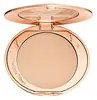 Key Ingredients
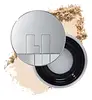
Benefits
Concerns
Ingredients Side-by-side
Talc
Abrasive
Mica
Cosmetic ColorantPolymethyl Methacrylate

Dimethicone
Emollient

Silica
Abrasive
Pentaerythrityl Tetraisostearate
Emollient

Cetearyl Ethylhexanoate
Emollient
Zinc Stearate
Cosmetic ColorantZea Mays Starch
Absorbent
Chlorphenesin
Antimicrobial
Potassium Sorbate
Preservative
Tocopheryl Acetate
Antioxidant


Pei-10
Propylene Glycol
Humectant

Prunus Amygdalus Dulcis Oil
Skin Conditioning

Rosa Multiflora Flower Wax
Skin ConditioningTetrasodium EDTA
ChelatingWater
Skin ConditioningDimethiconol
Emollient
Tilia Cordata Flower Extract
Skin Conditioning
Methylparaben
Preservative

Ethylparaben
Preservative
Propylparaben
Preservative
Butylparaben
Masking
CI 77891
Cosmetic ColorantIron Oxides
Talc, Mica, Polymethyl Methacrylate, Dimethicone, Silica, Pentaerythrityl Tetraisostearate, Cetearyl Ethylhexanoate, Zinc Stearate, Zea Mays Starch, Chlorphenesin, Potassium Sorbate, Tocopheryl Acetate, Pei-10, Propylene Glycol, Prunus Amygdalus Dulcis Oil, Rosa Multiflora Flower Wax, Tetrasodium EDTA, Water, Dimethiconol, Tilia Cordata Flower Extract, Methylparaben, Ethylparaben, Propylparaben, Butylparaben, CI 77891, Iron Oxides
Mica
Cosmetic ColorantSqualane
Emollient

Diphenyl Dimethicone/Vinyl Diphenyl Dimethicone/Silsesquioxane Crosspolymer
Methyl Methacrylate Crosspolymer
Synthetic Fluorphlogopite
Arnica Montana Flower Extract
Masking
Pseudozyma Epicola/Sunflower Seed Oil Ferment Extract Filtrate
Emulsion Stabilising
Tourmaline
Tocopherol
Antioxidant
Pentaerythrityl Tetra-Di-T-Butyl Hydroxyhydrocinnamate
Antioxidant
Caprylyl Glycol
Emollient
Ethylhexylglycerin
Skin ConditioningTocopheryl Acetate
Antioxidant
Glycerin
Humectant
Triethoxycaprylylsilane
C20-24 Olefin
Skin ConditioningAlumina
Abrasive
CI 77491
Cosmetic ColorantCI 77492
Cosmetic ColorantCI 77499
Cosmetic ColorantCI 77891
Cosmetic ColorantCI 19140
Cosmetic ColorantSaccharomyces Ferment
Skin Conditioning
Mica, Squalane, Diphenyl Dimethicone/Vinyl Diphenyl Dimethicone/Silsesquioxane Crosspolymer, Methyl Methacrylate Crosspolymer, Synthetic Fluorphlogopite, Arnica Montana Flower Extract, Pseudozyma Epicola/Sunflower Seed Oil Ferment Extract Filtrate, Tourmaline, Tocopherol, Pentaerythrityl Tetra-Di-T-Butyl Hydroxyhydrocinnamate, Caprylyl Glycol, Ethylhexylglycerin, Tocopheryl Acetate, Glycerin, Triethoxycaprylylsilane, C20-24 Olefin, Alumina, CI 77491, CI 77492, CI 77499, CI 77891, CI 19140, Saccharomyces Ferment
Reviews
Ingredients Explained
These ingredients are found in both products.
Ingredients higher up in an ingredient list are typically present in a larger amount.
Ci 77891 is a white pigment from Titanium dioxide. It is naturally found in minerals such as rutile and ilmenite.
It's main function is to add a white color to cosmetics. It can also be mixed with other colors to create different shades.
Ci 77891 is commonly found in sunscreens due to its ability to block UV rays.
Learn more about CI 77891Mica is a naturally occurring mineral used to add shimmer and color in cosmetics. It can also help improve the texture of a product or give it an opaque, white/silver color.
Serecite is the name for very fine but ragged grains of mica.
This ingredient is often coated with metal oxides like titanium dioxide. Trace amounts of heavy metals may be found in mica, but these metals are not harmful in our personal products.
Mica has been used since prehistoric times throughout the world. Ancient Egyptian, Indian, Greek, Roman, Aztec, and Chinese civilizations have used mica.
Learn more about MicaTocopheryl Acetate is a stable, shelf-friendly form of vitamin E.
Formulators love it because plain vitamin E oxidizes quickly once it hits air. This acetate version stays stable and resists going off, helping to extend a product's shelf life.
It's actually inactive on its own and works like a slow-release "storage" form; the enzymes in your skin called esterases gradually convert it into active vitamin E over time.
One in vivo study showed 5% of the acetate in the living layer of the epidermis converted to vitamin E after 5 days of application. This study also found the skin gained protection against UV damage even though the conversion was slow and small.
Once converted, vitamin E acts as a skin's main fat-soluble antioxidant that fights free radicals to protect skin from damage.
Topical vitamin E generally boosts the skin's photoprotection, and it reduced UV-damage in animal models.
This ingredient has some brightening potential but it's more of a prevention ingredient than spot-fader. Cell studies show it can slow down melanin production but it's worth noting that it's not the most powerful brightener out there.
Overall, it has a pretty solid safety profile and has been found to be non-irritating and non-comedogenic. Allergic reactions may happen but stay rare due to how widely the ingredient gets used.
The concentration will vary depending on the formula; industry data shows 0.1% in baby lotions, 3% in lipsticks, and 5% in foot powders. You can also find this ingredient at 100% in a pure vitamin E oil.
Most leave-on skincare keeps it at the lower end, often between 0.5-1%.
Learn more about Tocopheryl Acetate

