

What's inside
What's inside
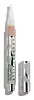 Key Ingredients
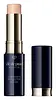
Benefits
Concerns
Ingredients Side-by-side
Water
Skin ConditioningDicaprylyl Carbonate
EmollientPropylene Glycol Dicaprylate/Dicaprate
EmollientIsododecane
EmollientCetyl PEG/PPG-10/1 Dimethicone
Emulsifying
Glycerin
Humectant


Sodium Chloride
MaskingDimethicone/Vinyl Dimethicone Crosspolymer
Skin Conditioning
PEG-30 Dipolyhydroxystearate
Emulsifying

Stearalkonium Hectorite
Gel FormingPhenoxyethanol
Preservative
Hydrolyzed Yeast Extract
Skin ConditioningHydrolyzed Wheat Flour
Skin ConditioningEthylhexylglycerin
Skin ConditioningButylene Glycol
Humectant
Sodium Myristoyl Glutamate
CleansingChlorphenesin
Antimicrobial
Propylene Carbonate
SolventAluminum Hydroxide
EmollientSilica
Abrasive


Polyglucuronic Acid
Skin ConditioningPotassium Sorbate
Preservative
Sodium Benzoate
Masking
Tocopherol
Antioxidant





Acetyl Tetrapeptide-5
Humectant
Pentaerythrityl Tetra-Di-T-Butyl Hydroxyhydrocinnamate
Antioxidant
Water, Dicaprylyl Carbonate, Propylene Glycol Dicaprylate/Dicaprate, Isododecane, Cetyl PEG/PPG-10/1 Dimethicone, Glycerin, Sodium Chloride, Dimethicone/Vinyl Dimethicone Crosspolymer, PEG-30 Dipolyhydroxystearate, Stearalkonium Hectorite, Phenoxyethanol, Hydrolyzed Yeast Extract, Hydrolyzed Wheat Flour, Ethylhexylglycerin, Butylene Glycol, Sodium Myristoyl Glutamate, Chlorphenesin, Propylene Carbonate, Aluminum Hydroxide, Silica, Polyglucuronic Acid, Potassium Sorbate, Sodium Benzoate, Tocopherol, Acetyl Tetrapeptide-5, Pentaerythrityl Tetra-Di-T-Butyl Hydroxyhydrocinnamate
Water
Skin ConditioningRosa Roxburghii Fruit Extract
TonicZingiber Aromaticus Extract
Skin ConditioningAlcohol
Antimicrobial



Mica
Cosmetic ColorantTitanium Dioxide
Cosmetic Colorant

Iron Oxides
CI 77120
Cosmetic ColorantParfum
Masking

Butylene Glycol
Humectant
Dipropylene Glycol
HumectantSodium Acetylated Hyaluronate
Humectant
Glycerin
Humectant
Argania Spinosa Kernel Oil
Emollient

Lithium Magnesium Sodium Silicate
AbsorbentHydrogenated Polydecene
EmollientSorbitan Sesquiisostearate
Emulsifying
Dimethicone
Emollient
Tocopheryl Acetate
Antioxidant
Diphenylsiloxy Phenyl Trimethicone
Skin Conditioning
Neopentyl Glycol Diheptanoate
EmollientSimethicone
Emollient
Phytosteryl Macadamiate
Skin Conditioning
Stearic Acid
Cleansing
Microcrystalline Wax
Emulsion StabilisingParaffin
Skin Conditioning
Polyethylene
Abrasive
Copernicia Cerifera Wax
Aluminum Hydroxide
EmollientTocopherol
Antioxidant
Chlorphenesin
Antimicrobial
BHT
Antioxidant
PEG-10 Dimethicone
Skin Conditioning
Water, Rosa Roxburghii Fruit Extract, Zingiber Aromaticus Extract, Alcohol, Mica, Titanium Dioxide, Iron Oxides, CI 77120, Parfum, Butylene Glycol, Dipropylene Glycol, Sodium Acetylated Hyaluronate, Glycerin, Argania Spinosa Kernel Oil, Lithium Magnesium Sodium Silicate, Hydrogenated Polydecene, Sorbitan Sesquiisostearate, Dimethicone, Tocopheryl Acetate, Diphenylsiloxy Phenyl Trimethicone, Neopentyl Glycol Diheptanoate, Simethicone, Phytosteryl Macadamiate, Stearic Acid, Microcrystalline Wax, Paraffin, Polyethylene, Copernicia Cerifera Wax, Aluminum Hydroxide, Tocopherol, Chlorphenesin, BHT, PEG-10 Dimethicone
Ingredients Explained
These ingredients are found in both products.
Ingredients higher up in an ingredient list are typically present in a larger amount.
Aluminum Hydroxide is a form of aluminum. It can be naturally found in nature as the mineral gibbsite. In cosmetics, Aluminum Hydroxide is used as a colorant, pH adjuster, and absorbent.
As a colorant, Aluminum Hydroxide may add opacity, or reduce the transparency. Aluminum hydroxide is contains both basic and acidic properties.
According to manufacturers, this ingredient is an emollient and humectant. This means it helps hydrate the skin.
In medicine, this ingredient is used to help relieve heartburn and help heal ulcers.
There is currently no credible scientific evidence linking aluminum hydroxide in cosmetics to increased cancer risk.
Major health organizations allow the use of aluminum hydroxide in personal care products and have not flagged it as a carcinogenic risk at typical usage levels.
Learn more about Aluminum HydroxideButylene Glycol (or BG) is used within cosmetic products for a few different reasons:
Overall, Butylene Glycol is a safe and well-rounded ingredient that works well with other ingredients.
Though this ingredient works well with most skin types, some people with sensitive skin may experience a reaction such as allergic rashes, closed comedones, or itchiness.
Learn more about Butylene GlycolChlorphenesin is a synthetic preservative. It helps protect a product against bacteria in order to extend shelf life. In most cases, Chlorphenesin is paired with other preservatives such as phenoxyethanol and caprylyl glycol.
Chlorphenesin is a biocide. This means it is able to help fight the microorganisms on our skin. It is also able to fight odor-releasing bacteria.
Chlorphenesin is soluble in both water and glycerin.
Studies show Chlorphenesin is easily absorbed by our skin. You should speak with a skincare professional if you have concerns about using Chlorphenesin.
Learn more about ChlorphenesinGlycerin (or glycerol) is a compound naturally found in your skin. It's a powerhouse humectant that pulls water into the stratum corneum.
Topically, glycerin does several things at once:
Your skin makes glycerin on its own (mostly from sebaceous oil breakdown) and shuttles it to your outermost layer of skin, or your epidermis, via aquaporin-3.
Aquaporin-3 is a transporter that is essential for normal skin hydration, elasticity, and repair. Interestingly, mice lacking in AQP3 have dry and less elastic skin that can be fully corrected with glycerin.
This ingredient is non-irritating, plays well with almost every ingredient, and works across all skin types. Typical use is anywhere between 3-10% but can go up to 79% in some leave-on products.
Just know very high concentrations (>40%) can feel tacky in low humidity.
Glycerin is the name for this ingredient in American English. British English uses Glycerol/Glycerine.
Learn more about GlycerinTocopherol is a fat-soluble antioxidant known as Vitamin E.
You'll find this ingredient in the vast majority of skincare (for good reason). It works to neutralize free radicals, or unstable molecules generated by UV exposure, pollution, and other environmental stressors, before they can cause oxidative damage to your skin cells.
Topically applied tocopherol has been shown to protect against UV damage by ramping up the skin's own natural defense enzymes.
It also acts as a skin conditioning agent; some studies show that regular topical use can improve the skin's water-binding capacity over 2-4 weeks.
This ingredient is especially loved for being a team player. When combined with Vitamin C, the photoprotective effect of both ingredients roughly doubles and the combo also helps reduce UV-induced DNA damage.
This ingredient has some brightening potential but it's more of a prevention ingredient than spot-fader. Cell studies show it can slow down melanin production but it's worth noting that it's not the most powerful brightener out there.
In formulations, it also serves as a stabilizer that helps protect other oxidation-prone ingredients from degrading.
Concentrations usually range from 0.1-1% in most leave-on products.
Learn more about TocopherolWater. It's the most common cosmetic ingredient of all. You'll usually see it at the top of ingredient lists, meaning that it makes up the largest part of the product.
So why is it so popular? Water most often acts as a solvent - this means that it helps dissolve other ingredients into the formulation.
You'll also recognize water as that liquid we all need to stay alive. If you see this, drink a glass of water. Remember to stay hydrated!
Learn more about Water

