

What's inside
What's inside
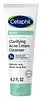 Key Ingredients
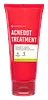
Benefits
Concerns
Ingredients Side-by-side
Water
Skin ConditioningCocamidopropyl Betaine
Cleansing


Distearyl Phthalic Acid Amide
EmollientSodium Methyl Cocoyl Taurate
Cleansing
Sodium Chloride
MaskingCetyl Alcohol
Emollient
Stearyl Alcohol
Emollient
PEG-120 Methyl Glucose Dioleate
Emulsifying
Phenoxyethanol
Preservative
Sodium Hydroxide
BufferingCaprylyl Glycol
Emollient
Ethylhexylglycerin
Skin ConditioningHexylene Glycol
EmulsifyingDisodium EDTA
Isopropyl Alcohol
Solvent


Aloe Barbadensis Leaf Juice
Skin Conditioning


Butylene Glycol
Humectant
Camellia Sinensis Leaf Extract
Antimicrobial




Water, Cocamidopropyl Betaine, Distearyl Phthalic Acid Amide, Sodium Methyl Cocoyl Taurate, Sodium Chloride, Cetyl Alcohol, Stearyl Alcohol, PEG-120 Methyl Glucose Dioleate, Phenoxyethanol, Sodium Hydroxide, Caprylyl Glycol, Ethylhexylglycerin, Hexylene Glycol, Disodium EDTA, Isopropyl Alcohol, Aloe Barbadensis Leaf Juice, Butylene Glycol, Camellia Sinensis Leaf Extract
Camellia Sinensis Leaf Water
Masking
Cocamidopropyl Betaine
Cleansing
Water
Skin ConditioningButylene Glycol
Humectant
Polyquaternium-7
Sodium Cocoyl Glycinate
Cleansing
Trehalose
Humectant
Glycerin
Humectant
Succinic Acid
Buffering1,2-Hexanediol
Skin Conditioning
Dimethylol Urea
AntimicrobialHydroxypropyl Methylcellulose
Emulsion StabilisingSodium Chloride
MaskingPolyglyceryl-4 Caprate
EmulsifyingMelaleuca Alternifolia Leaf Oil
Antioxidant

Sodium Hydroxide
BufferingHippophae Rhamnoides Fruit Juice
Skin ConditioningHydrolyzed Algin
Bacillus/Folic Acid Ferment Filtrate Extract
Antioxidant
Maltodextrin
Absorbent
Phenoxyethanol
Preservative
Sodium Hyaluronate
Humectant
Zinc Sulfate
Antimicrobial
Camellia Sinensis Leaf Water, Cocamidopropyl Betaine, Water, Butylene Glycol, Polyquaternium-7, Sodium Cocoyl Glycinate, Trehalose, Glycerin, Succinic Acid, 1,2-Hexanediol, Dimethylol Urea, Hydroxypropyl Methylcellulose, Sodium Chloride, Polyglyceryl-4 Caprate, Melaleuca Alternifolia Leaf Oil, Sodium Hydroxide, Hippophae Rhamnoides Fruit Juice, Hydrolyzed Algin, Bacillus/Folic Acid Ferment Filtrate Extract, Maltodextrin, Phenoxyethanol, Sodium Hyaluronate, Zinc Sulfate
Ingredients Explained
These ingredients are found in both products.
Ingredients higher up in an ingredient list are typically present in a larger amount.
Butylene Glycol (or BG) is used within cosmetic products for a few different reasons:
Overall, Butylene Glycol is a safe and well-rounded ingredient that works well with other ingredients.
Though this ingredient works well with most skin types, some people with sensitive skin may experience a reaction such as allergic rashes, closed comedones, or itchiness.
Learn more about Butylene GlycolCocamidopropyl Betaine is a fatty acid created by mixing similar compounds in coconut oil and dimethylaminopropylamine, a compound with two amino groups.
This ingredient is a surfactant and cleanser. It helps gather the dirt, pollutants, and other impurities in your skin to be washed away. It also helps thicken a product and make the texture more creamy.
Being created from coconut oil means Cocamidopropyl Betaine is hydrating for the skin.
While Cocamidopropyl Betaine was believed to be an allergen, a study from 2012 disproved this. It found two compounds in unpure Cocamidopropyl Betaine to be the irritants: aminoamide and 3-dimethylaminopropylamine. High-grade and pure Cocamidopropyl Betaine did not induce allergic reactions during this study.
Learn more about Cocamidopropyl BetainePhenoxyethanol is a preservative that has germicide, antimicrobial, and aromatic properties. Studies show that phenoxyethanol can prevent microbial growth. By itself, it has a scent that is similar to that of a rose.
It's often used in formulations along with Caprylyl Glycol to preserve the shelf life of products.
Chances are, you eat sodium chloride every day. Sodium Chloride is also known as table salt. This ingredient has many purposes in skincare: thickener, emulsifier, and exfoliator.
You'll most likely find this ingredient in cleansers where it is used to create a gel-like texture. As an emulsifier, it also prevents ingredients from separating.
You might see people debate whether Sodium Chloride is comedogenic, but there actually haven't been any comedogenic tests done on it. Either way, the overall formulation of a product matters a lot more than any single ingredient.
You might see this ingredient used in scrubs as a primary exfoliating ingredient.
Learn more about Sodium ChlorideSodium Hydroxide is also known as lye or caustic soda. It is used to adjust the pH of products; many ingredients require a specific pH to be effective.
In small amounts, sodium hydroxide is considered safe to use. However, large amounts may cause chemical burns due to its high alkaline.
Your skin has a natural pH and acid mantle. This acid mantle helps prevent harmful bacteria from breaking through. The acid mantle also helps keep your skin hydrated.
"Alkaline" refers to a high pH level. A low pH level would be considered acidic.
Learn more about Sodium HydroxideWater. It's the most common cosmetic ingredient of all. You'll usually see it at the top of ingredient lists, meaning that it makes up the largest part of the product.
So why is it so popular? Water most often acts as a solvent - this means that it helps dissolve other ingredients into the formulation.
You'll also recognize water as that liquid we all need to stay alive. If you see this, drink a glass of water. Remember to stay hydrated!
Learn more about Water
