Catrice Plump It Up Lip Booster Versus Sephora Collection Outrageous Plump Intense Hydrating Lip Gloss


What's inside
What's inside
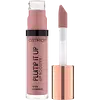 Key Ingredients
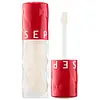
Benefits
Concerns
Ingredients Side-by-side
Pentaerythrityl Tetraisostearate
Emollient

Polybutene
Octyldodecanol
Emollient
Silica Dimethyl Silylate
EmollientRicinus Communis Seed Oil
Masking


Shorea Robusta Resin
TonicHelianthus Annuus Seed Oil
Emollient
Menthol
Masking



Simmondsia Chinensis Seed Oil
Emollient

Tocopheryl Acetate
Antioxidant


Prunus Amygdalus Dulcis Oil
Skin Conditioning
Tocopherol
Antioxidant


Sodium Hyaluronate
Humectant
Octyldodecyl Stearoyl Stearate
Emollient
Benzyl Nicotinate
Skin ConditioningSynthetic Fluorphlogopite
Polyglyceryl-3 Diisostearate
Emulsifying
Vp/Hexadecene Copolymer
Aroma

CI 77120
Cosmetic ColorantTin Oxide
Abrasive
CI 15850
Cosmetic ColorantCI 42090
Cosmetic ColorantCI 77491
Cosmetic ColorantCI 77891
Cosmetic ColorantPentaerythrityl Tetraisostearate, Polybutene, Octyldodecanol, Silica Dimethyl Silylate, Ricinus Communis Seed Oil, Shorea Robusta Resin, Helianthus Annuus Seed Oil, Menthol, Simmondsia Chinensis Seed Oil, Tocopheryl Acetate, Prunus Amygdalus Dulcis Oil, Tocopherol, Sodium Hyaluronate, Octyldodecyl Stearoyl Stearate, Benzyl Nicotinate, Synthetic Fluorphlogopite, Polyglyceryl-3 Diisostearate, Vp/Hexadecene Copolymer, Aroma, CI 77120, Tin Oxide, CI 15850, CI 42090, CI 77491, CI 77891
Hydrogenated Polyisobutene
EmollientPentaerythrityl Tetraisostearate
Emollient
Octyldodecanol
Emollient
Ethylene/Propylene/Styrene Copolymer
Silica Dimethyl Silylate
EmollientBenzyl Nicotinate
Skin ConditioningMenthol
Masking
Hydrogenated Styrene/Isoprene Copolymer
Ricinus Communis Seed Oil
Masking
Menthoxypropanediol
Masking
Parfum
Masking
Sodium Hyaluronate
Humectant
Caprylic/Capric Triglyceride
Masking
Butylene Glycol
Humectant
Butylene/Ethylene/Styrene Copolymer
CI 77891
Cosmetic ColorantSilica
Abrasive

Hydrogenated Castor Oil
Emollient
Mica
Cosmetic ColorantPentaerythrityl Tetra-Di-T-Butyl Hydroxyhydrocinnamate
Antioxidant
Capsicum Frutescens Fruit Extract
Skin Conditioning
Tin Oxide
Abrasive
Hydrogenated Polyisobutene, Pentaerythrityl Tetraisostearate, Octyldodecanol, Ethylene/Propylene/Styrene Copolymer, Silica Dimethyl Silylate, Benzyl Nicotinate, Menthol, Hydrogenated Styrene/Isoprene Copolymer, Ricinus Communis Seed Oil, Menthoxypropanediol, Parfum, Sodium Hyaluronate, Caprylic/Capric Triglyceride, Butylene Glycol, Butylene/Ethylene/Styrene Copolymer, CI 77891, Silica, Hydrogenated Castor Oil, Mica, Pentaerythrityl Tetra-Di-T-Butyl Hydroxyhydrocinnamate, Capsicum Frutescens Fruit Extract, Tin Oxide
Ingredients Explained
These ingredients are found in both products.
Ingredients higher up in an ingredient list are typically present in a larger amount.
We don't have a description for Benzyl Nicotinate yet.
Ci 77891 is a white pigment from Titanium dioxide. It is naturally found in minerals such as rutile and ilmenite.
It's main function is to add a white color to cosmetics. It can also be mixed with other colors to create different shades.
Ci 77891 is commonly found in sunscreens due to its ability to block UV rays.
Learn more about CI 77891Menthol is a compound found in mint plants, such as peppermint. In its pure form, it is a clear crystalline substance.
Menthol is known for its cooling sensation; however, the cooling is actually from your skin being sensitized. Menthol can worsen rosacea. We recommend speaking with a professional if you have concerns.
Menthol also has antimicrobial properties.
Learn more about MentholOctyldodecanol is a fatty alcohol sourced from plant oils like coconut or palm (or made synthetically).
It is:
You'll likely see this in many BHA products because this is the go-to solvent for salicylic acid.
This ingredient is typically used at levels between 2-20%.
Regarding fungal acne:
In 2019, this ingredient was tested against multiple Malassezia species (the yeast that causes fungal acne) and showed no growth.
Pentaerythrityl Tetraisostearate is a synthetic emollient and "skin-feel" ingredient that spreads well and leaves a non-sticky finish with high gloss.
In makeup, it also doubles as a pigment-wetting agent for better color payoff.
It's a well-vetted ingredient for safety and does not penetrate into skin due to its large molecule size.
Because it's a long-chain fatty acid ester, this ingredient may not be fungal acne or Malassezia safe.
Learn more about Pentaerythrityl TetraisostearateThis ingredient is also known as castor oil. It is a skin conditioning ingredient.
The star component of castor oil is ricinoleic acid, an unusual fatty acid that makes up ~80-92% of its composition.
In skincare, it is an emollient that dries down to a solid film with water-binding properties. This helps keep skin hydrated and helps reduce transepidermal water loss (TEWL).
A 2026 dermatology review pulls together its broader uses:
Human clinical testing found this ingredient to be non-irritating and non-sensitizing.
Because castor oil contains fatty acids in the C11-24 range, this ingredient may not be fungal acne safe.
At this time, the literature does not support castor oil in regrowing hair. A 2022 systematic review found no strong evidence that it supports hair growth and only weak evidence that it improves hair shine.
Castor oil itself carries "perfuming" and "masking" function tags according to the official CosIng database. This is because of its mild odor and odor-dampening properties.
Learn more about Ricinus Communis Seed OilThis silica is mainly used to thicken oils and suspend particles in oils. It is not water soluble.
According to the manufacturer, it:
The manufacturer also claims this ingredient to be useful in makeup.
In lipstick formulations, this ingredient improves color payoff, reduces pigment settling, and reduces oil bleeding. This ingredient also improves the grip of powder products such as dry shampoos.
Learn more about Silica Dimethyl SilylateSodium Hyaluronate is the salt form of hyaluronic acid. It is a long sugar chain that is naturally found in your skin, joints, and connective tissue that maintains hydration and elasticity.
In skincare, it works as a humectant. It pulls water from the environment and deeper layers of skin and binds it to the surface.
Interestingly, the size of the molecule affects its behavior:
Some clinical evidence links low molecular weight versions to improved wrinkle depth, elasticity, anti-inflammatory effects, and barrier repair.
Many serums use a blend of both weights so you can get surface hydration plus longer-lasting and deeper effects.
You'll typically see concentrations between 0.1-2% for this ingredient.
Learn more about Sodium HyaluronateTin Oxide is an inorganic oxide used to add opacity and volume to a product. In nature, it is already found in mineral form. The main ore of tin is an opaque and shiny mineral called casseterite.
Tin Oxide helps remove translucency in a product, or make it more opaque. Besides adding opacity, tin oxide is used for bulking to add volume.


