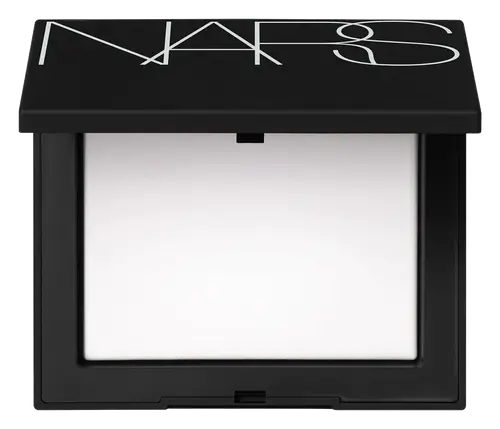
Carslan Oil Control Face Pressed Powder Versus Dior Forever Nude Radiant Filter Blurring Setting Powder


What's inside
What's inside
 Key Ingredients
Benefits
Concerns
Ingredients Side-by-side
Water
Skin ConditioningSynthetic Fluorphlogopite
Silica
Abrasive


Vinyl Dimethicone/Methicone Silsesquioxane Crosspolymer

Propylene Glycol Diheptanoate
EmollientOctyldodecyl Stearoyl Stearate
Emollient

Hdi/Trimethylol Hexyllactone Crosspolymer
Polysorbate 80
Emulsifying
Phenoxyethanol
Preservative
Pentylene Glycol
Skin Conditioning
Xanthan Gum
EmulsifyingDimethicone
Emollient
Zinc Oxide
Cosmetic Colorant

Isododecane
EmollientDimethicone Crosspolymer
Emulsion Stabilising
Cocos Nucifera Oil
Masking






Isohexadecane
EmollientEthylhexylglycerin
Skin ConditioningChondrus Crispus Extract
Skin Conditioning
Sodium Citrate
BufferingHydrogenated Polyisobutene
EmollientSnail Secretion Filtrate
Skin Conditioning

Pentane
SolventWater, Synthetic Fluorphlogopite, Silica, Vinyl Dimethicone/Methicone Silsesquioxane Crosspolymer, Propylene Glycol Diheptanoate, Octyldodecyl Stearoyl Stearate, Hdi/Trimethylol Hexyllactone Crosspolymer, Polysorbate 80, Phenoxyethanol, Pentylene Glycol, Xanthan Gum, Dimethicone, Zinc Oxide, Isododecane, Dimethicone Crosspolymer, Cocos Nucifera Oil, Isohexadecane, Ethylhexylglycerin, Chondrus Crispus Extract, Sodium Citrate, Hydrogenated Polyisobutene, Snail Secretion Filtrate, Pentane
Synthetic Fluorphlogopite
Silica
Abrasive
Cetearyl Ethylhexanoate
Emollient
Polysorbate 20
Emulsifying
Sorbitan Isostearate
Emulsifying
Polysorbate 60
Emulsifying
Caprylyl Glycol
Emollient
Ethylhexylglycerin
Skin ConditioningIris Florentina Root Extract
MaskingGlycerin
Humectant
Parfum
Masking

Gellan Gum
1,2-Hexanediol
Skin Conditioning
Calcium Chloride
AstringentWater
Skin ConditioningLinalyl Acetate
Masking
Sodium Citrate
BufferingXanthan Gum
EmulsifyingHyaluronic Acid
Humectant

Tocopherol
Antioxidant



Sodium Benzoate
Masking
Potassium Sorbate
Preservative
Synthetic Fluorphlogopite, Silica, Cetearyl Ethylhexanoate, Polysorbate 20, Sorbitan Isostearate, Polysorbate 60, Caprylyl Glycol, Ethylhexylglycerin, Iris Florentina Root Extract, Glycerin, Parfum, Gellan Gum, 1,2-Hexanediol, Calcium Chloride, Water, Linalyl Acetate, Sodium Citrate, Xanthan Gum, Hyaluronic Acid, Tocopherol, Sodium Benzoate, Potassium Sorbate
Reviews
Ingredients Explained
These ingredients are found in both products.
Ingredients higher up in an ingredient list are typically present in a larger amount.
Ethylhexylglycerin is created from glycerin. It is a multitasker ingredient that:
The CIR Expert Panel found minimal skin absorption or sensitization of any kind in a safety assessment. Though this ingredient is considered well-tolerated, a small number of cases of allergic dermatitis have been published since 2002. Just be sure to patch test if you are unsure.
Industry-reported use ranges from 8% in rinse-off products and 2% in leave-on formulations.
Learn more about EthylhexylglycerinSilica, also known as silicon dioxide, is a naturally occurring mineral. It is used as a fine, spherical, and porous powder in cosmetics.
Though it has exfoliant properties, the function of silica varies depending on the product.
The unique structure of silica enhances the spreadability and adds smoothness, making it a great texture enhancer.
It is also used as an active carrier, emulsifier, and mattifier due to its ability to absorb excess oil.
In some products, tiny microneedles called spicules are made from silica or hydrolyzed sponge. When you rub them in, they lightly polish away dead skin layers and enhance the penetration of active ingredients.
Learn more about SilicaSodium Citrate is the sodium salts of citric acid. In skincare, it is used to alter pH levels and acts as a preservative.
Its main functions are to maintain the pH of a product and neutralize metal ions.
The acidity of our skin is maintained by our glands and skin biome; normal pH level of skin is slightly acidic (~4.75-5.5).
Being slightly acidic allows our skin to create an "acid mantle". This acid mantle is a thin barrier that protects our skin from bacteria and contaminants.
Learn more about Sodium CitrateSynthetic Fluorphlogopite is the synthethic version of mica. It consists of fluorine, aluminum and silicate.
Synthetic Fluorphlogopite is used to add volume to products.
It is considered non-irritating on the skin.
Learn more about Synthetic FluorphlogopiteWater. It's the most common cosmetic ingredient of all. You'll usually see it at the top of ingredient lists, meaning that it makes up the largest part of the product.
So why is it so popular? Water most often acts as a solvent - this means that it helps dissolve other ingredients into the formulation.
You'll also recognize water as that liquid we all need to stay alive. If you see this, drink a glass of water. Remember to stay hydrated!
Learn more about WaterXanthan gum is used as a stabilizer and thickener within cosmetic products. It helps give products a sticky, thick feeling - preventing them from being too runny.
On the technical side of things, xanthan gum is a polysaccharide - a combination consisting of multiple sugar molecules bonded together.
Xanthan gum is a pretty common and great ingredient. It is a natural, non-toxic, non-irritating ingredient that is also commonly used in food products.
Learn more about Xanthan Gum