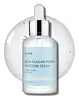
This hydrating serum is formulated around Beta-Glucan and Adenosine to hydrate skin and strengthen the skin barrier.


What's inside
What's inside
 Key Ingredients
No key ingredients
Benefits
Concerns
No concerns
Ingredients Side-by-side
Triethylhexanoin
MaskingSynthetic Fluorphlogopite
Dimethicone
Emollient

Diisostearyl Malate
EmollientDimethicone/Vinyl Dimethicone Crosspolymer
Skin Conditioning
Silica
Abrasive


Squalane
Emollient


Olea Europaea Fruit Oil
Masking





Ceramide NP
Skin Conditioning


Simmondsia Chinensis Seed Oil
Emollient
Rosa Canina Fruit Oil
Emollient
Retinyl Palmitate
Skin Conditioning


Centella Asiatica Leaf Extract
Skin Conditioning
Butylene Glycol
Humectant
Microcrystalline Wax
Emulsion StabilisingParaffin
Skin Conditioning
Tocopherol
Antioxidant

Phenoxyethanol
Preservative
Methylparaben
Preservative

Ascorbyl Dipalmitate
Antioxidant
Titanium Dioxide
Cosmetic Colorant
Iron Oxides
Aluminum Hydroxide
EmollientTin Oxide
Abrasive
Triethylhexanoin, Synthetic Fluorphlogopite, Dimethicone, Diisostearyl Malate, Dimethicone/Vinyl Dimethicone Crosspolymer, Silica, Squalane, Olea Europaea Fruit Oil, Ceramide NP, Simmondsia Chinensis Seed Oil, Rosa Canina Fruit Oil, Retinyl Palmitate, Centella Asiatica Leaf Extract, Butylene Glycol, Microcrystalline Wax, Paraffin, Tocopherol, Phenoxyethanol, Methylparaben, Ascorbyl Dipalmitate, Titanium Dioxide, Iron Oxides, Aluminum Hydroxide, Tin Oxide
Reviews
Alternatives
Ingredients Explained
These ingredients are found in both products.
Ingredients higher up in an ingredient list are typically present in a larger amount.
Butylene Glycol (or BG) is used within cosmetic products for a few different reasons:
Overall, Butylene Glycol is a safe and well-rounded ingredient that works well with other ingredients.
Though this ingredient works well with most skin types, some people with sensitive skin may experience a reaction such as allergic rashes, closed comedones, or itchiness.
Learn more about Butylene Glycol

