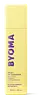
This oil-based makeup remover is made to dissolve makeup, sunscreen, and daily buildup.
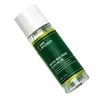
This oil-based makeup remover is made to dissolve makeup, sunscreen, and daily buildup.


What's inside
What's inside
 Key Ingredients
Benefits
Concerns
Ingredients Side-by-side




Glycerin
Humectant


Butylene Glycol
Humectant
Isohexadecane
EmollientWater
Skin ConditioningCetyl Ethylhexanoate
EmollientPolyglyceryl-10 Diisostearate
Emulsifying

Polyglyceryl-6 Dicaprate
EmulsifyingTriethylhexanoin
Masking1,2-Hexanediol
Skin Conditioning
Persea Gratissima Oil
Skin Conditioning


Citric Acid
Buffering

Sodium Citrate
BufferingEthylhexylglycerin
Skin ConditioningTrisodium Ethylenediamine Disuccinate
ChelatingCamellia Sinensis Leaf Extract
Antimicrobial





Lactobacillus Ferment Lysate
Skin Conditioning
Butyrospermum Parkii Butter Extract
Skin Conditioning
Glycerin, Butylene Glycol, Isohexadecane, Water, Cetyl Ethylhexanoate, Polyglyceryl-10 Diisostearate, Polyglyceryl-6 Dicaprate, Triethylhexanoin, 1,2-Hexanediol, Persea Gratissima Oil, Citric Acid, Sodium Citrate, Ethylhexylglycerin, Trisodium Ethylenediamine Disuccinate, Camellia Sinensis Leaf Extract, Lactobacillus Ferment Lysate, Butyrospermum Parkii Butter Extract
Reviews
Ingredients Explained
These ingredients are found in both products.
Ingredients higher up in an ingredient list are typically present in a larger amount.
Cetyl Ethylhexanoate is an emollient ester. It comes from cetearyl alcohol and 2-ethylhexanoic acid.
Cetyl Ethylhexanoate is an emollient that adds a velvety feel to skin without being greasy or oily. Emollients help trap moisture into your skin, keeping your skin soft and hydrated.
Ethylhexylglycerin is created from glycerin. It is a multitasker ingredient that:
The CIR Expert Panel found minimal skin absorption or sensitization of any kind in a safety assessment. Though this ingredient is considered well-tolerated, a small number of cases of allergic dermatitis have been published since 2002. Just be sure to patch test if you are unsure.
Industry-reported use ranges from 8% in rinse-off products and 2% in leave-on formulations.
Learn more about Ethylhexylglycerin

