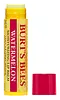
This lip moisturizer is formulated around Helianthus Annuus Seed Oil and Cocos Nucifera Oil to hydrate lips.
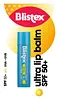
This lip moisturizer is formulated around Petrolatum and Tetrahexyldecyl Ascorbate to hydrate lips.

What's inside
What's inside
 Key Ingredients
Benefits
Concerns
Ingredients Side-by-side
Helianthus Annuus Seed Oil
Emollient



Cocos Nucifera Oil
Masking




Cera Alba
Emollient
Aroma

Ricinus Communis Seed Oil
Masking
Lanolin
Emollient
Citrullus Lanatus Seed Extract
Skin ConditioningTheobroma Cacao Seed Butter
Emollient
Butyrospermum Parkii Butter
Skin Conditioning
Tocopherol
Antioxidant





Carthamus Tinctorius Seed Oil
Masking
Glycine Soja Oil
Emollient
Citric Acid
Buffering
Rebaudioside A
Skin ConditioningOzokerite
Emulsion StabilisingTridecyl Neopentanoate
EmollientOctyldodecanol
Emollient
Cera Microcristallina
Emulsion StabilisingPetrolatum
Emollient
Myristyl Myristate
Emollient
Isopropyl Myristate
Emollient
Polybutene
Dimethicone
Emollient

Ethylhexyl Methoxycinnamate
UV Absorber

Butyl Methoxydibenzoylmethane
UV Absorber
Diethylamino Hydroxybenzoyl Hexyl Benzoate
UV Filter
Benzophenone-3
UV Absorber
Bis-Ethylhexyloxyphenol Methoxyphenyl Triazine
Skin Conditioning
Oryzanol
Skin ConditioningTocopheryl Acetate
Antioxidant
Aroma
Citric Acid
Buffering
Limonene
Perfuming
Phenoxyethanol
Preservative
Saccharin
MaskingSorbic Acid
Preservative
Tetrahexyldecyl Ascorbate
Antioxidant


Vanillin
Masking
Ozokerite, Tridecyl Neopentanoate, Octyldodecanol, Cera Microcristallina, Petrolatum, Myristyl Myristate, Isopropyl Myristate, Polybutene, Dimethicone, Ethylhexyl Methoxycinnamate, Butyl Methoxydibenzoylmethane, Diethylamino Hydroxybenzoyl Hexyl Benzoate, Benzophenone-3, Bis-Ethylhexyloxyphenol Methoxyphenyl Triazine, Oryzanol, Tocopheryl Acetate, Aroma, Citric Acid, Limonene, Phenoxyethanol, Saccharin, Sorbic Acid, Tetrahexyldecyl Ascorbate, Vanillin
Reviews
Ingredients Explained
These ingredients are found in both products.
Ingredients higher up in an ingredient list are typically present in a larger amount.
Aroma refers to an ingredient, or mixture of ingredients, that impart or mask a flavor.
The name is slightly confusing. This is because INCI associates aroma with flavor instead of smell.
Here is the official definition from the The International Cosmetic Ingredient Dictionary and Handbook:
“Aroma is a term for ingredient labeling used to identify that a product contains a material or combination of materials normally added to a cosmetic to produce or to mask a particular flavor.”
INCI shows the only purpose of aroma to be "flavouring".
However, due to regulation differences, some companies may use aroma in place of parfum.
In Canada, this ingredient only has to be listed in concentrations above 1%.
Learn more about AromaCitric Acid is an alpha hydroxy acid (AHA) naturally found in citrus fruits like oranges, lemons, and limes.
Like other AHAs, citric acid can exfoliate skin by breaking down the bonds that hold dead skin cells together. This helps reveal smoother and brighter skin underneath.
However, this exfoliating effect only happens at high concentrations (20%) which can be hard to find in cosmetic products.
Due to this, citric acid is usually included in small amounts as a pH adjuster. This helps keep products slightly more acidic and compatible with skin's natural pH.
In skincare formulas, citric acid can:
While it can provide some skin benefits, research shows lactic acid and glycolic acid are generally more effective and less irritating exfoliants.
Most citric acid used in skincare today is made by fermenting sugars (usually from molasses). This synthetic version is identical to the natural citrus form but easier to stabilize and use in formulations.
Read more about some other popular AHA's here:
Learn more about Citric Acid

