
What's inside
What's inside
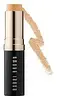 Key Ingredients
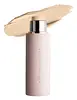
Benefits
Concerns
Ingredients Side-by-side
Caprylic/Capric Triglyceride
Masking


Ethylhexyl Palmitate
Emollient




Cetyl Dimethicone
Emollient
Polymethylsilsesquioxane
Cera Alba
Emollient
Ozokerite
Emulsion StabilisingEuphorbia Cerifera Cera
Astringent
Butyrospermum Parkii Butter
Skin Conditioning
Talc
Abrasive
Octyldodecanol
Emollient
Caprylic/Capric/Myristic/Stearic Triglyceride
EmollientSilica
Abrasive

Propylene Glycol Laurate
Skin ConditioningTocopherol
Antioxidant





Squalane
Emollient
Pentaerythrityl Tetra-Di-T-Butyl Hydroxyhydrocinnamate
Antioxidant
Mica
Cosmetic ColorantCI 77491
Cosmetic ColorantCI 77492
Cosmetic ColorantCI 77499
Cosmetic ColorantCI 77891
Cosmetic ColorantCaprylic/Capric Triglyceride, Ethylhexyl Palmitate, Cetyl Dimethicone, Polymethylsilsesquioxane, Cera Alba, Ozokerite, Euphorbia Cerifera Cera, Butyrospermum Parkii Butter, Talc, Octyldodecanol, Caprylic/Capric/Myristic/Stearic Triglyceride, Silica, Propylene Glycol Laurate, Tocopherol, Squalane, Pentaerythrityl Tetra-Di-T-Butyl Hydroxyhydrocinnamate, Mica, CI 77491, CI 77492, CI 77499, CI 77891
Caprylic/Capric Triglyceride
Masking
Isononyl Isononanoate
EmollientIsodecyl Neopentanoate
EmollientDicalcium Phosphate
Abrasive
Microcrystalline Wax
Emulsion StabilisingSqualane
Emollient
Polyethylene
Abrasive
Vp/Hexadecene Copolymer
Synthetic Wax
Abrasive
Disteardimonium Hectorite
StabilisingHydrogenated Polyisobutene
EmollientSilica
Abrasive
Nylon-12

Camellia Oleifera Seed Oil
Skin Conditioning
Hydrogenated Coconut Oil
Emollient
Phytosphingosine
Skin Conditioning
Butyl Stearate
Emollient
Isostearyl Alcohol
Emollient
Alcohol
Antimicrobial


Water
Skin ConditioningPentaerythrityl Tetra-Di-T-Butyl Hydroxyhydrocinnamate
Antioxidant
Butylene/Ethylene/Styrene Copolymer
Ethylene/Propylene/Styrene Copolymer
Mica
Cosmetic ColorantDibutyl Lauroyl Glutamide
Skin ConditioningRubus Idaeus Leaf Cell Culture
Skin ConditioningTin Oxide
Abrasive
Caprylic/Capric Triglyceride, Isononyl Isononanoate, Isodecyl Neopentanoate, Dicalcium Phosphate, Microcrystalline Wax, Squalane, Polyethylene, Vp/Hexadecene Copolymer, Synthetic Wax, Disteardimonium Hectorite, Hydrogenated Polyisobutene, Silica, Nylon-12, Camellia Oleifera Seed Oil, Hydrogenated Coconut Oil, Phytosphingosine, Butyl Stearate, Isostearyl Alcohol, Alcohol, Water, Pentaerythrityl Tetra-Di-T-Butyl Hydroxyhydrocinnamate, Butylene/Ethylene/Styrene Copolymer, Ethylene/Propylene/Styrene Copolymer, Mica, Dibutyl Lauroyl Glutamide, Rubus Idaeus Leaf Cell Culture, Tin Oxide
Ingredients Explained
These ingredients are found in both products.
Ingredients higher up in an ingredient list are typically present in a larger amount.
Caprylic/Capric Triglyceride (aka MCT Oil) is a lightweight emollient, solvent, and texture enhancer. It is considered a skin-softener by helping to prevent moisture loss.
Though it behaves like an oil, it is not technically one due to its chemical composition. One perk of this ingredient is that it is very stable, resistant to oxidation, and unlikely to go rancid.
In practice, that translates to a long shelf life and a consistently elegant skin feel.
While there is an assumption Caprylic Triglyceride can clog pores due to it being derived from coconut oil, there is no research supporting this. Just patch test if you have concerns.
Fractionated coconut oil and MCT Oil are both listed as Caprylic/Capric Triglyceride according to INCI. This is because INCI names are based on the ingredient’s final chemical composition and not its marketing name or source.
This ingredient is treated as the gold standard fungal acne safe oil. Even though it is coconut derived, the problematic lauric acid is stripped out.
This leaves just caprylic (C8) and capric (C10) acid. These chain lengths actually trend antifungal; a 2020 study found caprylic acid was enough to disrupt Malassezia furfur cell membrane, with a caprylic acid derivative damaging membrane structures at concentrations as low as 0.2%.
Learn more about Caprylic/Capric TriglycerideMica is a naturally occurring mineral used to add shimmer and color in cosmetics. It can also help improve the texture of a product or give it an opaque, white/silver color.
Serecite is the name for very fine but ragged grains of mica.
This ingredient is often coated with metal oxides like titanium dioxide. Trace amounts of heavy metals may be found in mica, but these metals are not harmful in our personal products.
Mica has been used since prehistoric times throughout the world. Ancient Egyptian, Indian, Greek, Roman, Aztec, and Chinese civilizations have used mica.
Learn more about MicaPentaerythrityl Tetra-Di-T-Butyl Hydroxyhydrocinnamate (long name, huh?) is a synthetic antioxidant.
It is used to help stabilize other antioxidants or prevent the color from changing in a product.
As an antioxidant, it helps fight free-radical molecules. Free-radical molecules are capable of damaging our cells and other genetic material. Thus, antioxidants may reduce the signs of aging.
This ingredient is oil-soluble.
Learn more about Pentaerythrityl Tetra-Di-T-Butyl HydroxyhydrocinnamateSilica, also known as silicon dioxide, is a naturally occurring mineral. It is used as a fine, spherical, and porous powder in cosmetics.
Though it has exfoliant properties, the function of silica varies depending on the product.
The unique structure of silica enhances the spreadability and adds smoothness, making it a great texture enhancer.
It is also used as an active carrier, emulsifier, and mattifier due to its ability to absorb excess oil.
In some products, tiny microneedles called spicules are made from silica or hydrolyzed sponge. When you rub them in, they lightly polish away dead skin layers and enhance the penetration of active ingredients.
Learn more about SilicaSqualane is the hydrogenated and shelf-stable form of squalene (a lipid that naturally occurs in human sebum).
It is an emollient and skin conditioning agent that is able to integrate seamlessly into the skin's lipid barrier without clogging pores.
This is due to how structurally similar it is to what your skin already produces.
Though it is mostly an emollient that helps soften and hydrate skin, it also has some humectant and occlusive action. Humectants help the skin retain moisture while occlusives seal it in, making squalane a triple-threat moisturizer.
Research shows it has antioxidant capabilities that help protect against stressors like UV exposure, specifically UVA induced oxidative stress. This study also found that it supports collagen biosynthesis in human dermal fibroblasts.
No clinical study has reported significant adverse effects and irritation reactions are very rare from this ingredient (even at 100% concentration).
Overall, it's a fantastic ingredient for hydration and is suitable for all skin types.
This depends on the source. Squalane can be derived from both plants and animals. Most squalane used in skincare comes from plants.
Please note: the source of squalane is only known if disclosed by the brand. We recommend reaching out to the brand if you have any questions about their squalane.
Read more about squalene with an "e".
Though squalane is often called an oil, it’s technically not one. It is a hydrocarbon, meaning it is only made of carbon and hydrogen. True oils are triglycerides and made of fatty acids and glycerol.
The term “oil-free” isn’t regulated so companies can define it however they want. Some exclude all oils, while others just avoid mineral oil or comedogenic oils.
Squalane has a comedogenic rating of 1 from the original 1972 study that tested raw ingredients under occlusion on rabbit ears. This system is not standardized or peer-reviewed, and using the raw ingredients is very different from how diluted cosmetic formulations are used on human skin.
A comedogenic rating of 1 means it is "unlikely to clog pores" according to the original rating system.
The overall formula of a product matters more than the individual ingredients on whether or not it will cause clogged pores.
Learn more about Squalane

