
What's inside
What's inside
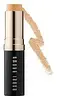 Key Ingredients
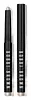
Benefits
Concerns
Ingredients Side-by-side
Caprylic/Capric Triglyceride
Masking


Ethylhexyl Palmitate
Emollient


Cetyl Dimethicone
Emollient
Polymethylsilsesquioxane
Ozokerite
Emulsion StabilisingEuphorbia Cerifera Wax
Butyrospermum Parkii Butter
Skin Conditioning
Talc
Abrasive
Octyldodecanol
Emollient
Caprylic/Capric/Myristic/Stearic Triglyceride
EmollientSilica
Abrasive

Propylene Glycol Laurate
Skin ConditioningTocopherol
Antioxidant





Squalane
Emollient
Pentaerythrityl Tetra-Di-T-Butyl Hydroxyhydrocinnamate
Antioxidant
Mica
Cosmetic ColorantCI 77491
Cosmetic ColorantCI 77492
Cosmetic ColorantCI 77499
Cosmetic ColorantCI 77891
Cosmetic ColorantCaprylic/Capric Triglyceride, Ethylhexyl Palmitate, Cetyl Dimethicone, Polymethylsilsesquioxane, Ozokerite, Euphorbia Cerifera Wax, Butyrospermum Parkii Butter, Talc, Octyldodecanol, Caprylic/Capric/Myristic/Stearic Triglyceride, Silica, Propylene Glycol Laurate, Tocopherol, Squalane, Pentaerythrityl Tetra-Di-T-Butyl Hydroxyhydrocinnamate, Mica, CI 77491, CI 77492, CI 77499, CI 77891
Cyclopentasiloxane
Emollient
Trimethylsiloxysilicate
Emollient
Polyethylene
Abrasive
Lauroyl Lysine
Skin Conditioning
Ozokerite
Emulsion StabilisingOctyldodecanol
Emollient
Synthetic Beeswax
Emulsion Stabilising
Ascorbyl Palmitate
Antioxidant

Tocopherol
Antioxidant
Lecithin
Emollient
Disteardimonium Hectorite
StabilisingPropylene Carbonate
SolventCalcium Aluminum Borosilicate
Synthetic Fluorphlogopite
Calcium Sodium Borosilicate
Citric Acid
Buffering

Silica
Abrasive
Tin Oxide
Abrasive
Mica
Cosmetic ColorantCI 77891
Cosmetic ColorantCI 77492
Cosmetic ColorantCI 77491
Cosmetic ColorantCI 77499
Cosmetic ColorantCI 77742
Cosmetic ColorantCI 19140
Cosmetic ColorantCI 77288
Cosmetic ColorantCI 77289
Cosmetic ColorantCI 75470
Cosmetic ColorantCI 77163
Cosmetic Colorant
CI 77510
Cosmetic ColorantCI 77000
Cosmetic ColorantCI 42090
Cosmetic ColorantCI 77007
Cosmetic ColorantCyclopentasiloxane, Trimethylsiloxysilicate, Polyethylene, Lauroyl Lysine, Ozokerite, Octyldodecanol, Synthetic Beeswax, Ascorbyl Palmitate, Tocopherol, Lecithin, Disteardimonium Hectorite, Propylene Carbonate, Calcium Aluminum Borosilicate, Synthetic Fluorphlogopite, Calcium Sodium Borosilicate, Citric Acid, Silica, Tin Oxide, Mica, CI 77891, CI 77492, CI 77491, CI 77499, CI 77742, CI 19140, CI 77288, CI 77289, CI 75470, CI 77163, CI 77510, CI 77000, CI 42090, CI 77007
Ingredients Explained
These ingredients are found in both products.
Ingredients higher up in an ingredient list are typically present in a larger amount.
Ci 77491 is also hydrated iron III oxide. It's sole purpose is to give a red/pink hue to products.
Iron III oxides are classified as inorganic chemicals for coloring.
Synthetically created Ci 77491 is considered safer than those naturally found. This is because the synthetically created version may contain less impurities. Iron oxides are generally non-toxic and non-allergenic.
Learn more about CI 77491CI 77492 is also hydrated iron III oxide. It's sole purpose is to give a yellow hue to products.
Iron III oxides are classified as inorganic chemicals for coloring.
Synthetically created CI 77492 is considered safer than those naturally found. This is because the synthetically created version may contain less impurities. Iron oxides are generally non-toxic and non-allergenic.
Learn more about CI 77492Ci 77499 is also hydrated iron III oxide. It is created from mixing red and black iron oxides. This helps give shades of darkness to a product.
Iron III oxides are classified as inorganic chemicals for coloring.
Ci 77891 is a white pigment from Titanium dioxide. It is naturally found in minerals such as rutile and ilmenite.
It's main function is to add a white color to cosmetics. It can also be mixed with other colors to create different shades.
Ci 77891 is commonly found in sunscreens due to its ability to block UV rays.
Learn more about CI 77891Mica is a naturally occurring mineral used to add shimmer and color in cosmetics. It can also help improve the texture of a product or give it an opaque, white/silver color.
Serecite is the name for very fine but ragged grains of mica.
This ingredient is often coated with metal oxides like titanium dioxide. Trace amounts of heavy metals may be found in mica, but these metals are not harmful in our personal products.
Mica has been used since prehistoric times throughout the world. Ancient Egyptian, Indian, Greek, Roman, Aztec, and Chinese civilizations have used mica.
Learn more about MicaOctyldodecanol is a fatty alcohol sourced from plant oils like coconut or palm (or made synthetically).
It is:
You'll likely see this in many BHA products because this is the go-to solvent for salicylic acid.
This ingredient is typically used at levels between 2-20%.
Regarding fungal acne:
In 2019, this ingredient was tested against multiple Malassezia species (the yeast that causes fungal acne) and showed no growth.
Ozokerite is a naturally occuring mineral wax. In cosmetics, ozokerite is used as a texture enhancer.
Ceresin wax is derived from this ingredient.
The melting point of ozokerite is 58-100 C.
Ozokerite is found all over the world including Scotland, the US, and India.
Learn more about OzokeriteSilica, also known as silicon dioxide, is a naturally occurring mineral. It is used as a fine, spherical, and porous powder in cosmetics.
Though it has exfoliant properties, the function of silica varies depending on the product.
The unique structure of silica enhances the spreadability and adds smoothness, making it a great texture enhancer.
It is also used as an active carrier, emulsifier, and mattifier due to its ability to absorb excess oil.
In some products, tiny microneedles called spicules are made from silica or hydrolyzed sponge. When you rub them in, they lightly polish away dead skin layers and enhance the penetration of active ingredients.
Learn more about SilicaTocopherol (also known as Vitamin E) is a common antioxidant used to help protect the skin from free-radicals and strengthen the skin barrier. It's also fat soluble - this means our skin is great at absorbing it.
Vitamin E also helps keep your natural skin lipids healthy. Your lipid skin barrier naturally consists of lipids, ceramides, and fatty acids. Vitamin E offers extra protection for your skin’s lipid barrier, keeping your skin healthy and nourished.
Another benefit is a bit of UV protection. Vitamin E helps reduce the damage caused by UVB rays. (It should not replace your sunscreen). Combining it with Vitamin C can decrease sunburned cells and hyperpigmentation after UV exposure.
You might have noticed Vitamin E + C often paired together. This is because it is great at stabilizing Vitamin C. Using the two together helps increase the effectiveness of both ingredients.
There are often claims that Vitamin E can reduce/prevent scarring, but these claims haven't been confirmed by scientific research.
Learn more about Tocopherol
