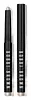
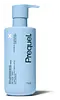
Bobbi Brown Long-Wear Cream Shadow Stick Versus Prequel Urea Advanced Relief Moisturizing Milk For Face And Body

What's inside
What's inside
 Key Ingredients
Benefits
Concerns
Ingredients Side-by-side
Cyclopentasiloxane
Emollient
Trimethylsiloxysilicate
Emollient
Polyethylene
Abrasive

Lauroyl Lysine
Skin Conditioning
Ozokerite
Emulsion StabilisingOctyldodecanol
Emollient
Synthetic Beeswax
Emulsion Stabilising
Ascorbyl Palmitate
Antioxidant



Tocopherol
Antioxidant





Lecithin
Emollient
Disteardimonium Hectorite
StabilisingPropylene Carbonate
SolventCalcium Aluminum Borosilicate
Synthetic Fluorphlogopite
Calcium Sodium Borosilicate
Citric Acid
Buffering

Silica
Abrasive
Tin Oxide
Abrasive
Mica
Cosmetic ColorantCI 77891
Cosmetic ColorantCI 77492
Cosmetic ColorantCI 77491
Cosmetic ColorantCI 77499
Cosmetic ColorantCI 77742
Cosmetic ColorantCI 19140
Cosmetic ColorantCI 77288
Cosmetic ColorantCI 77289
Cosmetic ColorantCI 75470
Cosmetic ColorantCI 77163
Cosmetic Colorant
CI 77510
Cosmetic ColorantCI 77000
Cosmetic ColorantCI 42090
Cosmetic ColorantCI 77007
Cosmetic ColorantCyclopentasiloxane, Trimethylsiloxysilicate, Polyethylene, Lauroyl Lysine, Ozokerite, Octyldodecanol, Synthetic Beeswax, Ascorbyl Palmitate, Tocopherol, Lecithin, Disteardimonium Hectorite, Propylene Carbonate, Calcium Aluminum Borosilicate, Synthetic Fluorphlogopite, Calcium Sodium Borosilicate, Citric Acid, Silica, Tin Oxide, Mica, CI 77891, CI 77492, CI 77491, CI 77499, CI 77742, CI 19140, CI 77288, CI 77289, CI 75470, CI 77163, CI 77510, CI 77000, CI 42090, CI 77007
Water
Skin ConditioningUrea
Buffering

Ethylhexyl Stearate
Emollient
Caprylic/Capric Triglyceride
Masking
Glycerin
Humectant
Butyrospermum Parkii Butter
Skin Conditioning
Cyclopentasiloxane
Emollient
C12-15 Alkyl Benzoate
AntimicrobialPolyglyceryl-6 Distearate
Emulsifying
Sodium Citrate
BufferingSodium Acrylate/Sodium Acryloyldimethyl Taurate Copolymer
Emulsion StabilisingCetearyl Alcohol
Emollient
Dimethicone
Emollient
Jojoba Esters
Emollient
Niacinamide
Smoothing


Candelilla/Jojoba/Rice Bran Polyglyceryl-3 Esters
Emulsifying
C15-19 Alkane
SolventPhenoxyethanol
Preservative
Potassium Cetyl Phosphate
EmulsifyingCitric Acid
Buffering
Lauryl Glucoside
CleansingEthylhexylglycerin
Skin ConditioningTetrasodium Glutamate Diacetate
Tocopherol
Antioxidant
Water, Urea, Ethylhexyl Stearate, Caprylic/Capric Triglyceride, Glycerin, Butyrospermum Parkii Butter, Cyclopentasiloxane, C12-15 Alkyl Benzoate, Polyglyceryl-6 Distearate, Sodium Citrate, Sodium Acrylate/Sodium Acryloyldimethyl Taurate Copolymer, Cetearyl Alcohol, Dimethicone, Jojoba Esters, Niacinamide, Candelilla/Jojoba/Rice Bran Polyglyceryl-3 Esters, C15-19 Alkane, Phenoxyethanol, Potassium Cetyl Phosphate, Citric Acid, Lauryl Glucoside, Ethylhexylglycerin, Tetrasodium Glutamate Diacetate, Tocopherol
Reviews
Ingredients Explained
These ingredients are found in both products.
Ingredients higher up in an ingredient list are typically present in a larger amount.
Citric Acid is an alpha hydroxy acid (AHA) naturally found in citrus fruits like oranges, lemons, and limes.
Like other AHAs, citric acid can exfoliate skin by breaking down the bonds that hold dead skin cells together. This helps reveal smoother and brighter skin underneath.
However, this exfoliating effect only happens at high concentrations (20%) which can be hard to find in cosmetic products.
Due to this, citric acid is usually included in small amounts as a pH adjuster. This helps keep products slightly more acidic and compatible with skin's natural pH.
In skincare formulas, citric acid can:
While it can provide some skin benefits, research shows lactic acid and glycolic acid are generally more effective and less irritating exfoliants.
Most citric acid used in skincare today is made by fermenting sugars (usually from molasses). This synthetic version is identical to the natural citrus form but easier to stabilize and use in formulations.
Read more about some other popular AHA's here:
Learn more about Citric AcidCyclopentasiloxane (D5) is a lightweight silicone that mostly acts as an emollient and solvent in cosmetics. Its the reason your products feel silky, fast-spreading, and non-greasy.
Since D5 is volatile, it does its thing and then evaporates off the skin quickly.
The safety profile of this ingredient is reassuring; the US CIR Expert Panel concluded D5 is safe as used in cosmetics and Health Canada concluded that D5 is not harmful to human health or the environment as currently used in cosmetics
There's a study that people mention about D5 in a rat study showing tumors. This study is related to long-term inhalation of high D5 levels.
Regulatory bodies have judged this study to be not applicable in topical skincare since skin absorption of D5 is very low and we're not really inhaling huge amounts of D5.
The only restriction for this ingredient is environmental. The European Chemicals Agency (ECHA) restricted D5 in wash-off cosmetics at or above 0.1% due to their persistence in water.
Learn more about CyclopentasiloxaneTocopherol is a fat-soluble antioxidant known as Vitamin E.
You'll find this ingredient in the vast majority of skincare (for good reason). It works to neutralize free radicals, or unstable molecules generated by UV exposure, pollution, and other environmental stressors, before they can cause oxidative damage to your skin cells.
Topically applied tocopherol has been shown to protect against UV damage by ramping up the skin's own natural defense enzymes.
It also acts as a skin conditioning agent; some studies show that regular topical use can improve the skin's water-binding capacity over 2-4 weeks.
This ingredient is especially loved for being a team player. When combined with Vitamin C, the photoprotective effect of both ingredients roughly doubles and the combo also helps reduce UV-induced DNA damage.
This ingredient has some brightening potential but it's more of a prevention ingredient than spot-fader. Cell studies show it can slow down melanin production but it's worth noting that it's not the most powerful brightener out there.
In formulations, it also serves as a stabilizer that helps protect other oxidation-prone ingredients from degrading.
Concentrations usually range from 0.1-1% in most leave-on products.
Learn more about Tocopherol
