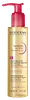
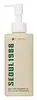
Bioderma Sensibio Micellar Face Cleansing Oil Versus K-Secret Seoul 1988 Cleansing Oil : Pine Cica 1% + Probiotics
This oil-based makeup remover is made to dissolve makeup, sunscreen, and daily buildup.
This oil-based makeup remover is made to dissolve makeup, sunscreen, and daily buildup.


What's inside
What's inside
 Key Ingredients
Benefits
Concerns
Ingredients Side-by-side




Ethylhexyl Palmitate
Emollient




Sorbeth-30 Tetraoleate
Emulsifying
Macadamia Ternifolia Seed Oil
Emollient

Olea Europaea Fruit Oil
Masking
Vitis Vinifera Seed Oil
Emollient
Helianthus Annuus Seed Oil
Emollient
Simmondsia Chinensis Seed Oil
Emollient

Pinus Densiflora Leaf Extract
Antimicrobial
Centella Asiatica Extract
Cleansing


Butylene Glycol
Humectant
1,2-Hexanediol
Skin Conditioning
Glycoproteins
Skin Conditioning
Madecassoside
Antioxidant
Madecassic Acid
Skin Conditioning
Asiaticoside
Antioxidant
Asiatic Acid
Skin Conditioning
Ethylhexyl Palmitate, Sorbeth-30 Tetraoleate, Macadamia Ternifolia Seed Oil, Olea Europaea Fruit Oil, Vitis Vinifera Seed Oil, Helianthus Annuus Seed Oil, Simmondsia Chinensis Seed Oil, Pinus Densiflora Leaf Extract, Centella Asiatica Extract, Butylene Glycol, 1,2-Hexanediol, Glycoproteins, Madecassoside, Madecassic Acid, Asiaticoside, Asiatic Acid
Reviews
Ingredients Explained
These ingredients are found in both products.
Ingredients higher up in an ingredient list are typically present in a larger amount.
Ethylhexyl Palmitate, also known as octyl palmitate, is created from 2-ethylhexyl alcohol and palmitic acid.
In cosmetics, it plays many roles:
One thing worth noting: a controlled study found this ingredient applied under occlusion to acne-prone subjects increased microcomedones. Just keep in mind this was under occlusive conditions and don't reflect how most products are used day-to-day.
For most people, this is a well-tolerated and lightweight ingredient.
This ingredient may not be fungal acne safe because it is an ester of palmitic acid, a C16 fatty acid that falls within the C11-24 range that Malassezia can metabolize.
You'll see this one rated 4 comedogenic all over the internet. That number isn't from a single study, and the actual research is more interesting.
The original rating comes from 1980s rabbit ear tests (which are a shaky basis for anything). But Ethylhexyl Palmitate is one of the few ingredients with real human data behind it. A 2021 controlled trial found this ingredient increased microcomedones by an average of 365% over four weeks.
Just know that test used the pure ingredient under an occlusive pad on back skin; most products use it at much lower levels alongside other ingredients and plenty of people use those with no issue.
Learn more about Ethylhexyl PalmitateHelianthus Annuus Seed Oil is a plant oil derived from the seeds of a sunflower.
It is rich in fatty acids, primarily linoleic acid and oleic acid. This gives it emollient and skin conditioning properties.
The reason this ingredient is so effective is because it forms a thin film on the skin that reduces transepidermal water loss (TEWL) while supplying linoleic acid to the stratum corneum to improve barrier strength.
The high linoleic acid content is particularly noteworthy for acne-prone skin.
Research suggests that acne-prone skin tends to be deficient in linoleic acid in sebum. Topical application may help replenish this to support a healthier follicular environment and less comedone-promoting sebum.
One randomized study found sunflower seed oil preserved skin barrier integrity in adult volunteers with and without atopic dermatitis (outperforming olive oil).
This ingredient is well-studied, gentle, and an effective emollient suitable for most skin types.
On fungal acne: This ingredient may not be Fungal acne (Malassezia folliculitis) safe. This is because it contains fatty acids with carbon chain lengths in the C11-C24 range.
Learn more about Helianthus Annuus Seed Oil

