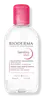
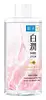
This mild micellar makeup remover is made to dissolve makeup, sunscreen, and daily buildup.
This salicylic acid micellar makeup remover is made to dissolve makeup, sunscreen, and daily buildup.


What's inside
What's inside
 Key Ingredients
No key ingredients
Benefits
Concerns
Ingredients Side-by-side
Water
Skin ConditioningGlycerin
Humectant


PEG-7 Caprylic/Capric Glycerides
EmulsifyingPropanediol
Solvent
PEG-6 Caprylic/Capric Glycerides
EmulsifyingSodium Cocoamphoacetate
CleansingChlorphenesin
Antimicrobial
PEG/PPG/Polybutylene Glycol-8/5/3 Glycerin
HumectantXylitylglucoside
Humectant
Polyaminopropyl Biguanide
Preservative
Sodium Chloride
MaskingAnhydroxylitol
Humectant
Disodium EDTA
ChelatingXylitol
Humectant
Sodium Hyaluronate
Humectant


Phytic Acid
Chelating

3-O-Ethyl Ascorbic Acid
Skin Conditioning


Salicylic Acid
Masking






Potassium Azeloyl Diglycinate
Skin Conditioning


Amylopectin
Dextrin
AbsorbentXanthan Gum
EmulsifyingButylene Glycol
Humectant
1,2-Hexanediol
Skin Conditioning
Phenoxyethanol
Preservative
Pentylene Glycol
Skin Conditioning
Polyquaternium-10
Hydrolyzed Sodium Hyaluronate
Skin Conditioning
Moringa Oleifera Seed Extract
Skin Conditioning
Biosaccharide Gum-4
Skin Conditioning
Disodium Phosphate
BufferingPotassium Chloride
Citric Acid
Buffering
Caprylyl Glycol
Emollient
Water, Glycerin, PEG-7 Caprylic/Capric Glycerides, Propanediol, PEG-6 Caprylic/Capric Glycerides, Sodium Cocoamphoacetate, Chlorphenesin, PEG/PPG/Polybutylene Glycol-8/5/3 Glycerin, Xylitylglucoside, Polyaminopropyl Biguanide, Sodium Chloride, Anhydroxylitol, Disodium EDTA, Xylitol, Sodium Hyaluronate, Phytic Acid, 3-O-Ethyl Ascorbic Acid, Salicylic Acid, Potassium Azeloyl Diglycinate, Amylopectin, Dextrin, Xanthan Gum, Butylene Glycol, 1,2-Hexanediol, Phenoxyethanol, Pentylene Glycol, Polyquaternium-10, Hydrolyzed Sodium Hyaluronate, Moringa Oleifera Seed Extract, Biosaccharide Gum-4, Disodium Phosphate, Potassium Chloride, Citric Acid, Caprylyl Glycol
Reviews
Ingredients Explained
These ingredients are found in both products.
Ingredients higher up in an ingredient list are typically present in a larger amount.
Disodium EDTA is a chelating agent. It grabs onto and deactivates metal ions that sneak into your products from water, packaging, or air.
This ingredient mainly works behind the scenes and helps with:
On top of that, this ingredient can counteract the effects of hard water by binding to the minerals in it.
One thing worth knowing is that Disodium EDTA has been shown to be a mild penetration enhancer. It can help other ingredients absorb into skin more effectively which can be a double-edged sword (great for actives, but can also make the active too strong if you have sensitive skin).
Clinical patch testing showed no significant skin irritation at typical use concentrations and minimal dermal absorption.
You'll most likely see this ingredient near the end of an ingredient list. It's typically found in concentrations less than 1%.
Learn more about Disodium EDTAThis ingredient is derived from caprylic and capric acids. It is an emulsifier with emollient properties.
According to the manufacturer, it is hydrophilic and soluble in aqueous solutions (water). They also state this ingredient is stable in a medium pH range (~5 - 8).
As an emulsifier, it helps make oils and oil-soluble ingredients more soluble in water.
Learn more about PEG-6 Caprylic/Capric GlyceridesWater. It's the most common cosmetic ingredient of all. You'll usually see it at the top of ingredient lists, meaning that it makes up the largest part of the product.
So why is it so popular? Water most often acts as a solvent - this means that it helps dissolve other ingredients into the formulation.
You'll also recognize water as that liquid we all need to stay alive. If you see this, drink a glass of water. Remember to stay hydrated!
Learn more about WaterXylitol is a humectant and prebiotic. It can help with dry skin.
In studies, xylitol has been shown to improve dry skin. It decreased transepidermal water loss, or when water passes through the skin and evaporates. Xylitol also showed to help improve the biomechanical properties of the skin barrier.
The prebiotic property of xylitol may also help reinforce our skin's natural microbiome. Having a healthy microbiome prevents infection by bad bacteria and helps with hydration.
As a humectant, Xylitol helps draw moisture from both the air and from deeper skin layers. This helps keep skin hydrated.
Xylitol is a sugar alcohol and commonly used as a sugar substitute. It is naturally occurring in plants such as strawberries and pumpkin.
Learn more about Xylitol

