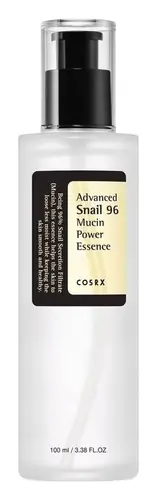
This calming moisturizer is formulated around Laminaria Ochroleuca Extract and Glycyrrhetinic Acid to calm redness and hydrate skin.
This calming treatment is formulated around Glycolic Acid and Glycyrrhetinic Acid to calm redness and refine skin texture.

What's inside
What's inside
 Key Ingredients
Benefits
Concerns
Ingredients Side-by-side
Water
Skin ConditioningParaffinum Liquidum
Emollient


Glycerin
Humectant


Tridecyl Trimellitate
EmollientGlycol Palmitate
Emulsifying

Caprylic/Capric Triglyceride
Masking
Canola Oil
Emollient

Triceteareth-4 Phosphate
EmulsifyingFructooligosaccharides
Humectant
Mannitol
Humectant
Xylitol
Humectant
Rhamnose
HumectantLaminaria Ochroleuca Extract
Skin Conditioning

Glycyrrhetinic Acid
Skin Conditioning
Glycine Soja Germ Extract
EmollientAllantoin
Skin Conditioning
Ginkgo Biloba Leaf Extract
Skin Conditioning
Camellia Sinensis Leaf Extract
Antimicrobial




Propylene Glycol
Humectant
Pentylene Glycol
Skin Conditioning
Caprylyl Glycol
Emollient
Glycol Stearate
Emollient
PEG-2 Stearate
Emulsifying
Acrylates/C10-30 Alkyl Acrylate Crosspolymer
Emulsion Stabilising1,2-Hexanediol
Skin Conditioning
Citric Acid
Buffering
Xanthan Gum
EmulsifyingDisodium EDTA
ChelatingSodium Hydroxide
BufferingWater, Paraffinum Liquidum, Glycerin, Tridecyl Trimellitate, Glycol Palmitate, Caprylic/Capric Triglyceride, Canola Oil, Triceteareth-4 Phosphate, Fructooligosaccharides, Mannitol, Xylitol, Rhamnose, Laminaria Ochroleuca Extract, Glycyrrhetinic Acid, Glycine Soja Germ Extract, Allantoin, Ginkgo Biloba Leaf Extract, Camellia Sinensis Leaf Extract, Propylene Glycol, Pentylene Glycol, Caprylyl Glycol, Glycol Stearate, PEG-2 Stearate, Acrylates/C10-30 Alkyl Acrylate Crosspolymer, 1,2-Hexanediol, Citric Acid, Xanthan Gum, Disodium EDTA, Sodium Hydroxide
Water
Skin ConditioningCaprylic/Capric Triglyceride
Masking
Dimethicone
Emollient
Dicaprylyl Ether
Emollient
Cetearyl Alcohol
Emollient
Lactamide Mea
HumectantGlycolic Acid
Buffering



Guanidine Carbonate
BufferingGlyceryl Stearate
Emollient
Polymethyl Methacrylate
Ceteareth-33
CleansingBisabolol
Antioxidant
Ethanolamine
BufferingGlycyrrhetinic Acid
Skin Conditioning
Piroctone Olamine
Preservative
Serenoa Serrulata Fruit Extract
Skin Conditioning
Sodium Chloride
MaskingTetrasodium EDTA
ChelatingTocopherol
Antioxidant
Water, Caprylic/Capric Triglyceride, Dimethicone, Dicaprylyl Ether, Cetearyl Alcohol, Lactamide Mea, Glycolic Acid, Guanidine Carbonate, Glyceryl Stearate, Polymethyl Methacrylate, Ceteareth-33, Bisabolol, Ethanolamine, Glycyrrhetinic Acid, Piroctone Olamine, Serenoa Serrulata Fruit Extract, Sodium Chloride, Tetrasodium EDTA, Tocopherol
Ingredients Explained
These ingredients are found in both products.
Ingredients higher up in an ingredient list are typically present in a larger amount.
Caprylic/Capric Triglyceride (aka MCT Oil) is a lightweight emollient, solvent, and texture enhancer. It is considered a skin-softener by helping to prevent moisture loss.
Though it behaves like an oil, it is not technically one due to its chemical composition. One perk of this ingredient is that it is very stable, resistant to oxidation, and unlikely to go rancid.
In practice, that translates to a long shelf life and a consistently elegant skin feel.
While there is an assumption Caprylic Triglyceride can clog pores due to it being derived from coconut oil, there is no research supporting this. Just patch test if you have concerns.
Fractionated coconut oil and MCT Oil are both listed as Caprylic/Capric Triglyceride according to INCI. This is because INCI names are based on the ingredient’s final chemical composition and not its marketing name or source.
This ingredient is treated as the gold standard fungal acne safe oil. Even though it is coconut derived, the problematic lauric acid is stripped out.
This leaves just caprylic (C8) and capric (C10) acid. These chain lengths actually trend antifungal; a 2020 study found caprylic acid was enough to disrupt Malassezia furfur cell membrane, with a caprylic acid derivative damaging membrane structures at concentrations as low as 0.2%.
Learn more about Caprylic/Capric TriglycerideGlycyrrhetinic Acid is a calming ingredient that comes from licorice root.
How does it work?
Your skin makes its own natural anti-inflammatory hormone called cortisol and it also has an enzyme that switches cortisol off. Glycyrrhetinic Acid slows down that enzyme so your skin's natural calming power sticks around a little longer.
The research is pretty encouraging, especially for calming redness:
This is a good ingredient to look out for if your skin gets red, itchy, or irritated easily. It's also nice for anyone recovering from a harsh treatment or whose skin barrier is feeling a bit stressed.
It's typically found up to 2% because a little goes a long way.
Safety experts at the Cosmetic Ingredient Review found it safe as used in cosmetics. Even at 6%, three times the typical amount, it didn't cause irritation or allergic reactions in clinical testing.
Allergies to it are very rare with only a handful of reported cases over the years. But as with any new product, it's a good idea to patch test if you have reactive skin.
Fun fact: Glycyrrhetinic Acid is also used as a flavoring agent. Its sweet licorice roots mean it's sometimes used to help mask bitter tastes in medicine.
Learn more about Glycyrrhetinic AcidWater. It's the most common cosmetic ingredient of all. You'll usually see it at the top of ingredient lists, meaning that it makes up the largest part of the product.
So why is it so popular? Water most often acts as a solvent - this means that it helps dissolve other ingredients into the formulation.
You'll also recognize water as that liquid we all need to stay alive. If you see this, drink a glass of water. Remember to stay hydrated!
Learn more about Water