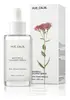
This barrier-repair serum is formulated around Niacinamide to strengthen the skin barrier.
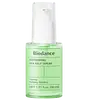
This calming serum is formulated around Centella Asiatica Extract and Beta-Glucan to calm redness and hydrate skin.

What's inside
What's inside
 Key Ingredients
Benefits
Concerns
No concerns
Ingredients Side-by-side
Lactobacillus/Kelp Ferment Filtrate
Skin ConditioningPropanediol
Solvent

Butylene Glycol
Humectant
Niacinamide
Smoothing










1,2-Hexanediol
Skin Conditioning
Water
Skin ConditioningXylitol
Humectant
Erythritol
Humectant
Glycerin
Humectant
Gellan Gum
Xanthan Gum
EmulsifyingCalcium Chloride
AstringentEthylhexylglycerin
Skin ConditioningAdenosine
Skin Conditioning
Melia Azadirachta Leaf Extract
Skin ConditioningGlyceryl Acrylate/Acrylic Acid Copolymer
HumectantPvm/Ma Copolymer
Emulsion StabilisingMelia Azadirachta Flower Extract
Skin ConditioningLaminaria Digitata Extract
Skin Protecting

Hydroxyethylcellulose
Emulsion StabilisingSea Water
HumectantSodium Polyacrylate
Absorbent
Tocopherol
Antioxidant

Saccharide Isomerate
Humectant
Jania Rubens Extract
Skin Conditioning
Kjellmaniella Gyrata Extract
Skin ConditioningLaminaria Japonica Extract
Skin Protecting
Spirulina Platensis Extract
Skin ProtectingLactobacillus/Kelp Ferment Filtrate, Propanediol, Butylene Glycol, Niacinamide, 1,2-Hexanediol, Water, Xylitol, Erythritol, Glycerin, Gellan Gum, Xanthan Gum, Calcium Chloride, Ethylhexylglycerin, Adenosine, Melia Azadirachta Leaf Extract, Glyceryl Acrylate/Acrylic Acid Copolymer, Pvm/Ma Copolymer, Melia Azadirachta Flower Extract, Laminaria Digitata Extract, Hydroxyethylcellulose, Sea Water, Sodium Polyacrylate, Tocopherol, Saccharide Isomerate, Jania Rubens Extract, Kjellmaniella Gyrata Extract, Laminaria Japonica Extract, Spirulina Platensis Extract
Sedum Sarmentosum Extract
HumectantGlycerin
Humectant
Methylpropanediol
Solvent1,2-Hexanediol
Skin Conditioning
Methyl Gluceth-20
Humectant
Pentylene Glycol
Skin Conditioning
Centella Asiatica Extract
Cleansing
Ficus Carica Fruit Extract
Humectant
Laminaria Japonica Extract
Skin Protecting
Eclipta Prostrata Leaf Extract
Skin ConditioningHydrogenated Lecithin
Emulsifying
Sodium Hyaluronate
Humectant
Saccharide Isomerate
Humectant
Water
Skin ConditioningAcrylates/C10-30 Alkyl Acrylate Crosspolymer
Emulsion StabilisingTromethamine
BufferingFructooligosaccharides
Humectant
Beta-Glucan
Skin Conditioning
Hydrolyzed Hyaluronic Acid
Humectant
Ceramide NP
Skin Conditioning
Sodium Citrate
BufferingCitric Acid
Buffering

Ethylhexylglycerin
Skin ConditioningSedum Sarmentosum Extract, Glycerin, Methylpropanediol, 1,2-Hexanediol, Methyl Gluceth-20, Pentylene Glycol, Centella Asiatica Extract, Ficus Carica Fruit Extract, Laminaria Japonica Extract, Eclipta Prostrata Leaf Extract, Hydrogenated Lecithin, Sodium Hyaluronate, Saccharide Isomerate, Water, Acrylates/C10-30 Alkyl Acrylate Crosspolymer, Tromethamine, Fructooligosaccharides, Beta-Glucan, Hydrolyzed Hyaluronic Acid, Ceramide NP, Sodium Citrate, Citric Acid, Ethylhexylglycerin
Reviews
Ingredients Explained
These ingredients are found in both products.
Ingredients higher up in an ingredient list are typically present in a larger amount.
1,2-Hexanediol is a synthetic liquid and another multi-functional powerhouse.
It is a:
- Humectant, drawing moisture into the skin
- Emollient, helping to soften skin
- Solvent, dispersing and stabilizing formulas
- Preservative booster, enhancing the antimicrobial activity of other preservatives
Ethylhexylglycerin is created from glycerin. It is a multitasker ingredient that:
The CIR Expert Panel found minimal skin absorption or sensitization of any kind in a safety assessment. Though this ingredient is considered well-tolerated, a small number of cases of allergic dermatitis have been published since 2002. Just be sure to patch test if you are unsure.
Industry-reported use ranges from 8% in rinse-off products and 2% in leave-on formulations.
Learn more about EthylhexylglycerinGlycerin (or glycerol) is a compound naturally found in your skin. It's a powerhouse humectant that pulls water into the stratum corneum.
Topically, glycerin does several things at once:
Your skin makes glycerin on its own (mostly from sebaceous oil breakdown) and shuttles it to your outermost layer of skin, or your epidermis, via aquaporin-3.
Aquaporin-3 is a transporter that is essential for normal skin hydration, elasticity, and repair. Interestingly, mice lacking in AQP3 have dry and less elastic skin that can be fully corrected with glycerin.
This ingredient is non-irritating, plays well with almost every ingredient, and works across all skin types. Typical use is anywhere between 3-10% but can go up to 79% in some leave-on products.
Just know very high concentrations (>40%) can feel tacky in low humidity.
Glycerin is the name for this ingredient in American English. British English uses Glycerol/Glycerine.
Learn more about GlycerinLaminaria Japonica Extract is an extract of Japanese kelp, the same brown seaweed sold as kombu.
This ingredient is usually extracted from dried, ground kelp with water or a water/glycol mix. Most of what ends up in your bottle is mostly big sugar molecules, minerals, and amino acids rather than oils.
Those sugars help hold water and form a light film on the skin's surface, giving it humectant and mild-barrier supporting properties.
The best human data is a small Korean study where a cream with 10% extract upped skin hydration about 14% over placebo and cut water loss through the skin for up to eight hours.
Beyond this study, most of the anti-aging and anti-inflammatory claims come from mouse and cell studies; these studies found that topical kelp sugars preserved collagen in aging mice and the extract calmed UVB-triggered inflammation markers in cultured skin cells.
Though this sounds promising, it isn't the same as proof on human faces.
Industry data shows this ingredient is usually used anywhere from 0.0005% - 5%. Most leave-on products sit well under 1% and the 5% end mostly shows up in bath products.
Allergy-risk for this ingredient looks low as well. A cream with 10% extract patch-tested on 25 people caused no irritation and there have been no sensitization reports either.
There is one real allergy report on "laminaria" that involves medical cervical dilators made from whole dried kelp stems inserted internally; though this is a very different exposure from a few tenths of a percent in a serum.
Learn more about Laminaria Japonica ExtractSaccharide Isomerate comes from sugars found in corn. It is a skin hydrator.
The structure of this ingredient can be altered to be more similar to the carbohydrates found in our skin. This ability to mimic our skin gives it hydrating properties.
Specifically, saccharide Isomerate is a humectant. Humectants draw moisture from the air to our skin.
Research shows Saccharide Isomerate to be an effective moisturizer.
Learn more about Saccharide IsomerateWater. It's the most common cosmetic ingredient of all. You'll usually see it at the top of ingredient lists, meaning that it makes up the largest part of the product.
So why is it so popular? Water most often acts as a solvent - this means that it helps dissolve other ingredients into the formulation.
You'll also recognize water as that liquid we all need to stay alive. If you see this, drink a glass of water. Remember to stay hydrated!
Learn more about Water

