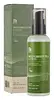
This calming moisturizer is formulated around Centella Asiatica Extract and Camellia Sinensis Leaf Extract to calm redness and hydrate skin.
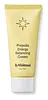
This calming moisturizer is formulated around Lactobacillus Ferment Lysate and Propolis Extract to calm redness.

What's inside
What's inside
 Key Ingredients
Benefits
Concerns
Ingredients Side-by-side
Camellia Sinensis Leaf Water
Masking
Water
Skin ConditioningCaprylic/Capric Triglyceride
Masking


Glycerin
Humectant
Butylene Glycol
Humectant
Pentylene Glycol
Skin Conditioning
1,2-Hexanediol
Skin Conditioning
Polyglyceryl-3 Distearate
Emulsifying

Helianthus Annuus Seed Oil
Emollient
Cetearyl Alcohol
Emollient



Centella Asiatica Extract
Cleansing



Houttuynia Cordata Extract
Skin Conditioning
Glyceryl Stearate Citrate
Emollient
Camellia Sinensis Leaf Extract
Antimicrobial



Camellia Sinensis Seed Extract
Humectant
Camellia Sinensis Root Extract
Perfuming
Punica Granatum Fruit Extract
Antioxidant
Tocopherol
Antioxidant
Betaine
Humectant
Arginine
Masking
Carbomer
Emulsion StabilisingXanthan Gum
EmulsifyingCamellia Sinensis Leaf Water, Water, Caprylic/Capric Triglyceride, Glycerin, Butylene Glycol, Pentylene Glycol, 1,2-Hexanediol, Polyglyceryl-3 Distearate, Helianthus Annuus Seed Oil, Cetearyl Alcohol, Centella Asiatica Extract, Houttuynia Cordata Extract, Glyceryl Stearate Citrate, Camellia Sinensis Leaf Extract, Camellia Sinensis Seed Extract, Camellia Sinensis Root Extract, Punica Granatum Fruit Extract, Tocopherol, Betaine, Arginine, Carbomer, Xanthan Gum
Lactobacillus Ferment Lysate
Skin Conditioning
Propolis Extract
Skin Conditioning

Butylene Glycol
Humectant
Glycerin
Humectant
1,2-Hexanediol
Skin Conditioning
Caprylic/Capric Triglyceride
Masking
Squalane
Emollient
Helianthus Annuus Seed Oil
Emollient
Saccharomyces/Honey Ferment Filtrate
Skin Conditioning
Bifida Ferment Lysate
Skin Conditioning
Lactococcus Ferment Lysate
Skin Conditioning
Asparagus Officinalis Extract
Skin ConditioningAllium Sativum Bulb Extract
Skin ConditioningPisum Sativum Seed Extract
Skin ConditioningMalva Sylvestris Extract
AstringentGlycine Max Seed Extract
Skin ConditioningSolanum Tuberosum Pulp Extract
SmoothingTocopherol
Antioxidant
Betaine
Humectant
Water
Skin ConditioningGlyceryl Stearate
Emollient
Xylitol
Humectant
Caprylic Acid
CleansingXanthan Gum
EmulsifyingSodium Polyacrylate
Absorbent
Disodium EDTA
ChelatingLactobacillus Ferment Lysate, Propolis Extract, Butylene Glycol, Glycerin, 1,2-Hexanediol, Caprylic/Capric Triglyceride, Squalane, Helianthus Annuus Seed Oil, Saccharomyces/Honey Ferment Filtrate, Bifida Ferment Lysate, Lactococcus Ferment Lysate, Asparagus Officinalis Extract, Allium Sativum Bulb Extract, Pisum Sativum Seed Extract, Malva Sylvestris Extract, Glycine Max Seed Extract, Solanum Tuberosum Pulp Extract, Tocopherol, Betaine, Water, Glyceryl Stearate, Xylitol, Caprylic Acid, Xanthan Gum, Sodium Polyacrylate, Disodium EDTA
Reviews
Ingredients Explained
These ingredients are found in both products.
Ingredients higher up in an ingredient list are typically present in a larger amount.
1,2-Hexanediol is a synthetic liquid and another multi-functional powerhouse.
It is a:
- Humectant, drawing moisture into the skin
- Emollient, helping to soften skin
- Solvent, dispersing and stabilizing formulas
- Preservative booster, enhancing the antimicrobial activity of other preservatives
Betaine is a humectant. Like hyaluronic acid, it helps attract and retain moisture in the skin. It’s known for being gentle and for helping the skin maintain balanced hydration.
Betaine is mainly used to improve hydration and support calmer skin. It helps skin cells regulate water balance because it functions as an osmolyte.
Some studies suggest betaine may support making skin tone more even.
Fun fact: Betaine naturally exists in the skin and the body. In cosmetic products, it can be either plant-derived (most commonly from sugar beets) or synthetically produced for consistency and stability.
Betaine is also known as trimethylglycine.
Learn more about BetaineButylene Glycol (or BG) is used within cosmetic products for a few different reasons:
Overall, Butylene Glycol is a safe and well-rounded ingredient that works well with other ingredients.
Though this ingredient works well with most skin types, some people with sensitive skin may experience a reaction such as allergic rashes, closed comedones, or itchiness.
Learn more about Butylene GlycolCaprylic/Capric Triglyceride (aka MCT Oil) is a lightweight emollient, solvent, and texture enhancer. It is considered a skin-softener by helping to prevent moisture loss.
Though it behaves like an oil, it is not technically one due to its chemical composition. One perk of this ingredient is that it is very stable, resistant to oxidation, and unlikely to go rancid.
In practice, that translates to a long shelf life and a consistently elegant skin feel.
While there is an assumption Caprylic Triglyceride can clog pores due to it being derived from coconut oil, there is no research supporting this. Just patch test if you have concerns.
Fractionated coconut oil and MCT Oil are both listed as Caprylic/Capric Triglyceride according to INCI. This is because INCI names are based on the ingredient’s final chemical composition and not its marketing name or source.
This ingredient is treated as the gold standard fungal acne safe oil. Even though it is coconut derived, the problematic lauric acid is stripped out.
This leaves just caprylic (C8) and capric (C10) acid. These chain lengths actually trend antifungal; a 2020 study found caprylic acid was enough to disrupt Malassezia furfur cell membrane, with a caprylic acid derivative damaging membrane structures at concentrations as low as 0.2%.
Learn more about Caprylic/Capric TriglycerideGlycerin (or glycerol) is a compound naturally found in your skin. It's a powerhouse humectant that pulls water into the stratum corneum.
Topically, glycerin does several things at once:
Your skin makes glycerin on its own (mostly from sebaceous oil breakdown) and shuttles it to your outermost layer of skin, or your epidermis, via aquaporin-3.
Aquaporin-3 is a transporter that is essential for normal skin hydration, elasticity, and repair. Interestingly, mice lacking in AQP3 have dry and less elastic skin that can be fully corrected with glycerin.
This ingredient is non-irritating, plays well with almost every ingredient, and works across all skin types. Typical use is anywhere between 3-10% but can go up to 79% in some leave-on products.
Just know very high concentrations (>40%) can feel tacky in low humidity.
Glycerin is the name for this ingredient in American English. British English uses Glycerol/Glycerine.
Learn more about GlycerinHelianthus Annuus Seed Oil is a plant oil derived from the seeds of a sunflower.
It is rich in fatty acids, primarily linoleic acid and oleic acid. This gives it emollient and skin conditioning properties.
The reason this ingredient is so effective is because it forms a thin film on the skin that reduces transepidermal water loss (TEWL) while supplying linoleic acid to the stratum corneum to improve barrier strength.
The high linoleic acid content is particularly noteworthy for acne-prone skin.
Research suggests that acne-prone skin tends to be deficient in linoleic acid in sebum. Topical application may help replenish this to support a healthier follicular environment and less comedone-promoting sebum.
One randomized study found sunflower seed oil preserved skin barrier integrity in adult volunteers with and without atopic dermatitis (outperforming olive oil).
This ingredient is well-studied, gentle, and an effective emollient suitable for most skin types.
On fungal acne: This ingredient may not be Fungal acne (Malassezia folliculitis) safe. This is because it contains fatty acids with carbon chain lengths in the C11-C24 range.
Learn more about Helianthus Annuus Seed OilTocopherol is a fat-soluble antioxidant known as Vitamin E.
You'll find this ingredient in the vast majority of skincare (for good reason). It works to neutralize free radicals, or unstable molecules generated by UV exposure, pollution, and other environmental stressors, before they can cause oxidative damage to your skin cells.
Topically applied tocopherol has been shown to protect against UV damage by ramping up the skin's own natural defense enzymes.
It also acts as a skin conditioning agent; some studies show that regular topical use can improve the skin's water-binding capacity over 2-4 weeks.
This ingredient is especially loved for being a team player. When combined with Vitamin C, the photoprotective effect of both ingredients roughly doubles and the combo also helps reduce UV-induced DNA damage.
This ingredient has some brightening potential but it's more of a prevention ingredient than spot-fader. Cell studies show it can slow down melanin production but it's worth noting that it's not the most powerful brightener out there.
In formulations, it also serves as a stabilizer that helps protect other oxidation-prone ingredients from degrading.
Concentrations usually range from 0.1-1% in most leave-on products.
Learn more about TocopherolWater. It's the most common cosmetic ingredient of all. You'll usually see it at the top of ingredient lists, meaning that it makes up the largest part of the product.
So why is it so popular? Water most often acts as a solvent - this means that it helps dissolve other ingredients into the formulation.
You'll also recognize water as that liquid we all need to stay alive. If you see this, drink a glass of water. Remember to stay hydrated!
Learn more about WaterXanthan gum is used as a stabilizer and thickener within cosmetic products. It helps give products a sticky, thick feeling - preventing them from being too runny.
On the technical side of things, xanthan gum is a polysaccharide - a combination consisting of multiple sugar molecules bonded together.
Xanthan gum is a pretty common and great ingredient. It is a natural, non-toxic, non-irritating ingredient that is also commonly used in food products.
Learn more about Xanthan Gum

