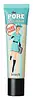
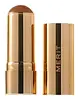
Benefit Cosmetics The POREfessional Face Primer Versus Merit Beauty Bronze Balm Sheer Sculpting Bronzer

What's inside
What's inside
 Key Ingredients
Benefits
Concerns
Ingredients Side-by-side
Cyclopentasiloxane
Emollient
Dimethicone
Emollient
Dimethicone/Vinyl Dimethicone Crosspolymer
Skin Conditioning
Isononyl Isononanoate
EmollientSilica
Abrasive


Dimethicone Crosspolymer
Emulsion Stabilising
Isododecane
EmollientPhenoxyethanol
Preservative
Polymethyl Methacrylate
CI 77891
Cosmetic ColorantCyclohexasiloxane
Emollient
Tocopheryl Acetate
Antioxidant


Parfum
Masking



Mica
Cosmetic ColorantCI 77492
Cosmetic ColorantLimonene
Perfuming

CI 77491
Cosmetic ColorantCI 77499
Cosmetic ColorantTriethoxycaprylylsilane
BHT
Antioxidant
Cyclopentasiloxane, Dimethicone, Dimethicone/Vinyl Dimethicone Crosspolymer, Isononyl Isononanoate, Silica, Dimethicone Crosspolymer, Isododecane, Phenoxyethanol, Polymethyl Methacrylate, CI 77891, Cyclohexasiloxane, Tocopheryl Acetate, Parfum, Mica, CI 77492, Limonene, CI 77491, CI 77499, Triethoxycaprylylsilane, BHT
Octyldodecyl Myristate
EmollientIsononyl Isononanoate
EmollientPentaerythrityl Tetraisostearate
Emollient
Synthetic Wax
Abrasive
Diisostearyl Malate
EmollientSynthetic Fluorphlogopite
Silica
Abrasive
Bis-Diglyceryl Polyacyladipate-2
Emollient
Diisostearoyl Polyglyceryl-3 Dimer Dilinoleate
Emollient
Caprylic/Capric Glycerides
EmollientCaprylic/Capric Triglyceride
Masking

Sorbitan Isostearate
Emulsifying
Microcrystalline Wax
Emulsion StabilisingEthylene/Propylene Copolymer
Abrasive
Polyglyceryl-2 Triisostearate
Emulsifying
Lecithin
Emollient
Methicone
Emollient
Triethoxycaprylylsilane
Aluminum Hydroxide
EmollientWater
Skin ConditioningBHT
Antioxidant
Titanium Dioxide
Cosmetic Colorant

CI 77492
Cosmetic ColorantCI 77491
Cosmetic ColorantCI 77499
Cosmetic ColorantOctyldodecyl Myristate, Isononyl Isononanoate, Pentaerythrityl Tetraisostearate, Synthetic Wax, Diisostearyl Malate, Synthetic Fluorphlogopite, Silica, Bis-Diglyceryl Polyacyladipate-2, Diisostearoyl Polyglyceryl-3 Dimer Dilinoleate, Caprylic/Capric Glycerides, Caprylic/Capric Triglyceride, Sorbitan Isostearate, Microcrystalline Wax, Ethylene/Propylene Copolymer, Polyglyceryl-2 Triisostearate, Lecithin, Methicone, Triethoxycaprylylsilane, Aluminum Hydroxide, Water, BHT, Titanium Dioxide, CI 77492, CI 77491, CI 77499
Reviews
Ingredients Explained
These ingredients are found in both products.
Ingredients higher up in an ingredient list are typically present in a larger amount.
BHT is a synthetic antioxidant and preservative.
As an antioxidant, it helps your body fight off free-radicals. Free-radicals are molecules that may damage your skin cells.
As a preservative, it is used to stabilize products and prevent them from degrading. Specifically, BHT prevents degradation from oxidation.
The concerns related to BHT come from oral studies; this ingredient is currently allowed for use by both the FDA and EU.
However, it was recently restricted for use in the UK as of April 2024.
Learn more about BHTCi 77491 is also hydrated iron III oxide. It's sole purpose is to give a red/pink hue to products.
Iron III oxides are classified as inorganic chemicals for coloring.
Synthetically created Ci 77491 is considered safer than those naturally found. This is because the synthetically created version may contain less impurities. Iron oxides are generally non-toxic and non-allergenic.
Learn more about CI 77491CI 77492 is also hydrated iron III oxide. It's sole purpose is to give a yellow hue to products.
Iron III oxides are classified as inorganic chemicals for coloring.
Synthetically created CI 77492 is considered safer than those naturally found. This is because the synthetically created version may contain less impurities. Iron oxides are generally non-toxic and non-allergenic.
Learn more about CI 77492Ci 77499 is also hydrated iron III oxide. It is created from mixing red and black iron oxides. This helps give shades of darkness to a product.
Iron III oxides are classified as inorganic chemicals for coloring.
Isononyl Isononanoate is a synthetic skin-conditioner and texture enhancer. It is created from nonanoic acid, a fatty acid found in cocoa and lavender oil.
As an emollient, Isononyl Isononanoate helps keep your skin soft and smooth. This is because emollients create a barrier on the skin to trap moisture in.
Isononyl Isononanoate helps give products a velvet feel and improves spreadability.
Learn more about Isononyl IsononanoateSilica, also known as silicon dioxide, is a naturally occurring mineral. It is used as a fine, spherical, and porous powder in cosmetics.
Though it has exfoliant properties, the function of silica varies depending on the product.
The unique structure of silica enhances the spreadability and adds smoothness, making it a great texture enhancer.
It is also used as an active carrier, emulsifier, and mattifier due to its ability to absorb excess oil.
In some products, tiny microneedles called spicules are made from silica or hydrolyzed sponge. When you rub them in, they lightly polish away dead skin layers and enhance the penetration of active ingredients.
Learn more about SilicaTriethoxycaprylylsilane is a silicon-based surface modifier that makes sunscreens feel silky and makeup stay put.
Its main job is to coat mineral particles like titanium dioxide, zinc oxide, and color pigments in a thin, oily layer so they spread smoothly, don't clump, and stick to skin better.
This ingredient is typically used at low levels (up to 2.5% in eyeshadow and 1% in lipstick).
Learn more about Triethoxycaprylylsilane
