Beauty of Joseon Revive Repair Serum: Ginseng + Snail Mucin Versus Dropology Caffeine + Ginseng 5% Serum
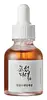
This calming serum is formulated around Panax Ginseng Root Water and Snail Secretion Filtrate to calm redness and strengthen the skin barrier.
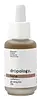
This calming serum is formulated around Aloe Barbadensis Leaf Juice and Caffeine to calm redness and hydrate skin.


What's inside
What's inside
 Key Ingredients
Benefits
Concerns
No concerns
Ingredients Side-by-side
Panax Ginseng Root Water
Masking

Water
Skin ConditioningButylene Glycol
Humectant

Snail Secretion Filtrate
Skin Conditioning

Dipropylene Glycol
Humectant1,2-Hexanediol
Skin Conditioning
Glycerin
Humectant
Niacinamide
Smoothing







Propanediol
Solvent
Trehalose
Humectant
Carbomer
Emulsion StabilisingTromethamine
BufferingXanthan Gum
EmulsifyingCentella Asiatica Extract
Cleansing
Ganoderma Lucidum Extract
Skin Protecting
Panax Ginseng Root Extract
Emollient
Malt Extract
Skin ProtectingSodium Polyacrylate
Absorbent
Adenosine
Skin Conditioning
Glyceryl Acrylate/Acrylic Acid Copolymer
HumectantDisodium EDTA
ChelatingPhellinus Linteus Extract
Skin ConditioningSodium Hyaluronate
Humectant
Hydrolyzed Hyaluronic Acid
Humectant
Forsythia Suspensa Fruit Extract
Antioxidant
Lonicera Japonica Flower Extract
Skin ConditioningScutellaria Baicalensis Root Extract
Astringent
Sodium Acetylated Hyaluronate
Humectant
Panax Ginseng Root Water, Water, Butylene Glycol, Snail Secretion Filtrate, Dipropylene Glycol, 1,2-Hexanediol, Glycerin, Niacinamide, Propanediol, Trehalose, Carbomer, Tromethamine, Xanthan Gum, Centella Asiatica Extract, Ganoderma Lucidum Extract, Panax Ginseng Root Extract, Malt Extract, Sodium Polyacrylate, Adenosine, Glyceryl Acrylate/Acrylic Acid Copolymer, Disodium EDTA, Phellinus Linteus Extract, Sodium Hyaluronate, Hydrolyzed Hyaluronic Acid, Forsythia Suspensa Fruit Extract, Lonicera Japonica Flower Extract, Scutellaria Baicalensis Root Extract, Sodium Acetylated Hyaluronate
Water
Skin ConditioningAloe Barbadensis Leaf Juice
Skin Conditioning
Glycerin
Humectant
Caffeine
Skin Conditioning
Cellulose Gum
Emulsion StabilisingPanax Ginseng Root Extract
Emollient
Tilia Platyphyllos Flower Extract
Skin ConditioningTilia Cordata Flower Extract
Skin Conditioning
Sodium Hyaluronate
Humectant
Maltodextrin
Absorbent
Ethylhexylglycerin
Skin ConditioningSodium Benzoate
Masking
Potassium Sorbate
Preservative
Benzyl Alcohol
Perfuming





Reviews
Ingredients Explained
These ingredients are found in both products.
Ingredients higher up in an ingredient list are typically present in a larger amount.
Glycerin (or glycerol) is a compound naturally found in your skin. It's a powerhouse humectant that pulls water into the stratum corneum.
Topically, glycerin does several things at once:
Your skin makes glycerin on its own (mostly from sebaceous oil breakdown) and shuttles it to your outermost layer of skin, or your epidermis, via aquaporin-3.
Aquaporin-3 is a transporter that is essential for normal skin hydration, elasticity, and repair. Interestingly, mice lacking in AQP3 have dry and less elastic skin that can be fully corrected with glycerin.
This ingredient is non-irritating, plays well with almost every ingredient, and works across all skin types. Typical use is anywhere between 3-10% but can go up to 79% in some leave-on products.
Just know very high concentrations (>40%) can feel tacky in low humidity.
Glycerin is the name for this ingredient in American English. British English uses Glycerol/Glycerine.
Learn more about GlycerinGinseng root is a well-loved ingredient in Asian skincare for good reason. It hydrates the skin, soothes irritation, and helps even out skin tone.
In traditional East Asian medicine, ginseng has been used for centuries both as food and as a healing remedy, and modern research continues to confirm its skin benefits.
One of the standout features of ginseng is its ability to improve blood circulation and oxygen delivery to the skin, bringing a fresh supply of nutrients to support overall skin health. It also has antioxidant and anti-inflammatory properties. This helps to protect your skin against damage from UV exposure, pollution, and daily stress.
Additionally, studies suggest that ginseng may help reduce hyperpigmentation by inhibiting tyrosinase, the enzyme involved in melanin production.
There are different types of ginseng used in skincare, and while they all share core benefits, their potency can vary.
Most products use fresh or white ginseng because it’s more affordable. However, red ginseng, produced by steaming the root, contains higher levels of ginsenosides, which are compounds with proven anti-aging effects. These ginsenosides help reduce the appearance of wrinkles and improve skin elasticity.
Note: All forms of ginseng are listed simply as “Panax ginseng” in ingredient lists. We recommend reaching out to the brand if you have questions about which type of ginseng is used in their ingredients.
For general antioxidant benefits, any ginseng extract will do, but for wrinkle care or firmer skin, red or fermented ginseng is often more effective.
In short, ginseng is a powerhouse ingredient that supports hydration, radiance, and resilience.
Learn more about Panax Ginseng Root ExtractSodium Hyaluronate is the salt form of hyaluronic acid. It is a long sugar chain that is naturally found in your skin, joints, and connective tissue that maintains hydration and elasticity.
In skincare, it works as a humectant. It pulls water from the environment and deeper layers of skin and binds it to the surface.
Interestingly, the size of the molecule affects its behavior:
Some clinical evidence links low molecular weight versions to improved wrinkle depth, elasticity, anti-inflammatory effects, and barrier repair.
Many serums use a blend of both weights so you can get surface hydration plus longer-lasting and deeper effects.
You'll typically see concentrations between 0.1-2% for this ingredient.
Learn more about Sodium HyaluronateWater. It's the most common cosmetic ingredient of all. You'll usually see it at the top of ingredient lists, meaning that it makes up the largest part of the product.
So why is it so popular? Water most often acts as a solvent - this means that it helps dissolve other ingredients into the formulation.
You'll also recognize water as that liquid we all need to stay alive. If you see this, drink a glass of water. Remember to stay hydrated!
Learn more about Water

