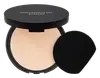
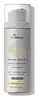
bareMinerals BarePro 24Hr Skin-Perfecting Powder Foundation Versus SkinMedica Essential Defense Mineral Shield Broad Spectrum SPF 32 Sunscreen Tinted
This sunscreen offers SPF 32 protection with a matte finish that helps control shine.

What's inside
What's inside
 Key Ingredients
Benefits
Concerns
Ingredients Side-by-side
Synthetic Fluorphlogopite
Mica
Cosmetic ColorantZinc Stearate
Cosmetic ColorantSilica
Abrasive


CI 77220
Cosmetic ColorantDiphenyl Dimethicone/Vinyl Diphenyl Dimethicone/Silsesquioxane Crosspolymer

Caprylic/Capric Triglyceride
Masking


Magnesium Myristate


Dimethicone
Emollient
Sorbitan Sesquiisostearate
Emulsifying

Helianthus Annuus Seed Oil
Emollient
Squalane
Emollient
Butyrospermum Parkii Butter
Skin Conditioning
Ananas Sativus Fruit Extract
Skin ConditioningTheobroma Cacao Seed Butter
Emollient
Glycyrrhiza Glabra Root Juice
Skin ConditioningPaeonia Albiflora Root Extract
Skin ConditioningEthylhexylglycerin
Skin ConditioningSorbic Acid
Preservative
Methicone
Emollient
Aluminum Hydroxide
EmollientTriethoxycaprylylsilane
Hydrogen Dimethicone
Tocopherol
Antioxidant




Tetrahexyldecyl Ascorbate
Antioxidant

Tocopheryl Acetate
Antioxidant
Citric Acid
Buffering
Titanium Dioxide
Cosmetic Colorant

CI 77491
Cosmetic ColorantCI 77492
Cosmetic ColorantCI 77499
Cosmetic ColorantSynthetic Fluorphlogopite, Mica, Zinc Stearate, Silica, CI 77220, Diphenyl Dimethicone/Vinyl Diphenyl Dimethicone/Silsesquioxane Crosspolymer, Caprylic/Capric Triglyceride, Magnesium Myristate, Dimethicone, Sorbitan Sesquiisostearate, Helianthus Annuus Seed Oil, Squalane, Butyrospermum Parkii Butter, Ananas Sativus Fruit Extract, Theobroma Cacao Seed Butter, Glycyrrhiza Glabra Root Juice, Paeonia Albiflora Root Extract, Ethylhexylglycerin, Sorbic Acid, Methicone, Aluminum Hydroxide, Triethoxycaprylylsilane, Hydrogen Dimethicone, Tocopherol, Tetrahexyldecyl Ascorbate, Tocopheryl Acetate, Citric Acid, Titanium Dioxide, CI 77491, CI 77492, CI 77499
Water
Skin ConditioningCyclopentasiloxane
Emollient
Dimethicone
Emollient
Polyglyceryl-3 Polydimethylsiloxyethyl Dimethicone
Skin Conditioning
Butylene Glycol
Humectant
Aluminum Hydroxide
EmollientDimethicone/PEG-10/15 Crosspolymer
PEG-9 Polydimethylsiloxyethyl Dimethicone
Emulsifying
Sodium Chloride
MaskingCaffeine
Skin Conditioning
Camellia Oleifera Leaf Extract
AstringentTocopheryl Acetate
Antioxidant
Sodium Citrate
BufferingDimethicone/Vinyl Dimethicone Crosspolymer
Skin Conditioning
Triethoxysilylethyl Polydimethylsiloxyethyl Hexyl Dimethicone
Skin Conditioning
PEG/PPG-18/18 Dimethicone
Emulsifying
Triethoxycaprylylsilane
Stearic Acid
Cleansing
Ethylhexylglycerin
Skin ConditioningPhenoxyethanol
Preservative
Iron Oxides
Water, Cyclopentasiloxane, Dimethicone, Polyglyceryl-3 Polydimethylsiloxyethyl Dimethicone, Butylene Glycol, Aluminum Hydroxide, Dimethicone/PEG-10/15 Crosspolymer, PEG-9 Polydimethylsiloxyethyl Dimethicone, Sodium Chloride, Caffeine, Camellia Oleifera Leaf Extract, Tocopheryl Acetate, Sodium Citrate, Dimethicone/Vinyl Dimethicone Crosspolymer, Triethoxysilylethyl Polydimethylsiloxyethyl Hexyl Dimethicone, PEG/PPG-18/18 Dimethicone, Triethoxycaprylylsilane, Stearic Acid, Ethylhexylglycerin, Phenoxyethanol, Iron Oxides
Reviews
Ingredients Explained
These ingredients are found in both products.
Ingredients higher up in an ingredient list are typically present in a larger amount.
Aluminum Hydroxide is a form of aluminum. It can be naturally found in nature as the mineral gibbsite. In cosmetics, Aluminum Hydroxide is used as a colorant, pH adjuster, and absorbent.
As a colorant, Aluminum Hydroxide may add opacity, or reduce the transparency. Aluminum hydroxide is contains both basic and acidic properties.
According to manufacturers, this ingredient is an emollient and humectant. This means it helps hydrate the skin.
In medicine, this ingredient is used to help relieve heartburn and help heal ulcers.
There is currently no credible scientific evidence linking aluminum hydroxide in cosmetics to increased cancer risk.
Major health organizations allow the use of aluminum hydroxide in personal care products and have not flagged it as a carcinogenic risk at typical usage levels.
Learn more about Aluminum HydroxideDimethicone is a type of synthetic silicone created from natural materials such as quartz. It is also known as polydimethylsiloxane.
What it does:
Dimethicone comes in different viscosities:
Depending on the viscosity, dimethicone has different properties.
Ingredients lists don't always show which type is used, so we recommend reaching out to the brand if you have questions about the viscosity.
This ingredient is unlikely to cause irritation because it does not get absorbed into skin. However, people with silicone allergies should be careful about using this ingredient.
Note: Dimethicone may contribute to pilling. This is because it is not oil or water soluble, so pilling may occur when layered with products. When mixed with heavy oils in a formula, the outcome is also quite greasy.
Learn more about DimethiconeEthylhexylglycerin is created from glycerin. It is a multitasker ingredient that:
The CIR Expert Panel found minimal skin absorption or sensitization of any kind in a safety assessment. Though this ingredient is considered well-tolerated, a small number of cases of allergic dermatitis have been published since 2002. Just be sure to patch test if you are unsure.
Industry-reported use ranges from 8% in rinse-off products and 2% in leave-on formulations.
Learn more about EthylhexylglycerinTocopheryl Acetate is a stable, shelf-friendly form of vitamin E.
Formulators love it because plain vitamin E oxidizes quickly once it hits air. This acetate version stays stable and resists going off, helping to extend a product's shelf life.
It's actually inactive on its own and works like a slow-release "storage" form; the enzymes in your skin called esterases gradually convert it into active vitamin E over time.
One in vivo study showed 5% of the acetate in the living layer of the epidermis converted to vitamin E after 5 days of application. This study also found the skin gained protection against UV damage even though the conversion was slow and small.
Once converted, vitamin E acts as a skin's main fat-soluble antioxidant that fights free radicals to protect skin from damage.
Topical vitamin E generally boosts the skin's photoprotection, and it reduced UV-damage in animal models.
This ingredient has some brightening potential but it's more of a prevention ingredient than spot-fader. Cell studies show it can slow down melanin production but it's worth noting that it's not the most powerful brightener out there.
Overall, it has a pretty solid safety profile and has been found to be non-irritating and non-comedogenic. Allergic reactions may happen but stay rare due to how widely the ingredient gets used.
The concentration will vary depending on the formula; industry data shows 0.1% in baby lotions, 3% in lipsticks, and 5% in foot powders. You can also find this ingredient at 100% in a pure vitamin E oil.
Most leave-on skincare keeps it at the lower end, often between 0.5-1%.
Learn more about Tocopheryl AcetateTriethoxycaprylylsilane is a silicon-based surface modifier that makes sunscreens feel silky and makeup stay put.
Its main job is to coat mineral particles like titanium dioxide, zinc oxide, and color pigments in a thin, oily layer so they spread smoothly, don't clump, and stick to skin better.
This ingredient is typically used at low levels (up to 2.5% in eyeshadow and 1% in lipstick).
Learn more about Triethoxycaprylylsilane

