Avène Retrinal Advanced Correcting Serum Versus Acure Radically Rejuvenating Dual Phase Bakuchiol Serum
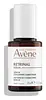
This anti-aging serum is formulated around Niacinamide and Bakuchiol to soften the look of wrinkles and refine skin texture.
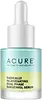
This anti-aging serum is formulated around Tocopherol and Ascorbyl Glucoside to soften the look of wrinkles and refine skin texture.


What's inside
What's inside
 Key Ingredients
Benefits
Concerns
Ingredients Side-by-side
Water
Skin ConditioningGlycerin
Humectant


Niacinamide
Smoothing









Pentylene Glycol
Skin Conditioning
C9-12 Alkane
SolventCaprylic/Capric Triglyceride
Masking
Pentaerythrityl Tetracaprylate/Tetracaprate
EmollientBakuchiol
Antimicrobial

1,2-Hexanediol
Skin Conditioning
Sodium Hyaluronate
Humectant
Tocopheryl Glucoside
EmollientAcacia Senegal Gum
MaskingButylene Glycol
Humectant
Citric Acid
Buffering

Coco-Caprylate/Caprate
Emollient
Glyceryl Behenate
Emollient
Glyceryl Dibehenate
Emollient
Sodium Dilauramidoglutamide Lysine
HumectantTribehenin
Emollient
Xanthan Gum
EmulsifyingWater, Glycerin, Niacinamide, Pentylene Glycol, C9-12 Alkane, Caprylic/Capric Triglyceride, Pentaerythrityl Tetracaprylate/Tetracaprate, Bakuchiol, 1,2-Hexanediol, Sodium Hyaluronate, Tocopheryl Glucoside, Acacia Senegal Gum, Butylene Glycol, Citric Acid, Coco-Caprylate/Caprate, Glyceryl Behenate, Glyceryl Dibehenate, Sodium Dilauramidoglutamide Lysine, Tribehenin, Xanthan Gum
Water
Skin ConditioningCaprylic/Capric Triglyceride
Masking
Propanediol
Solvent
Glycerin
Humectant
Tocopherol
Antioxidant
Ascorbyl Glucoside
Antioxidant
Bakuchiol
Antimicrobial
Solanum Melongena Fruit Extract
Skin ConditioningCurcuma Longa Root Extract
Antioxidant
Ocimum Basilicum Flower/Leaf Extract
TonicCoccinia Indica Fruit Extract
Skin Conditioning
Aloe Barbadensis Flower Extract
EmollientMelia Azadirachta Flower Extract
Skin ConditioningMelia Azadirachta Leaf Extract
Skin ConditioningOcimum Sanctum Leaf Extract
Skin ConditioningMarrubium Vulgare Extract
Skin ConditioningCorallina Officinalis Extract
Skin Conditioning

Simmondsia Chinensis Seed Oil
Emollient
Xanthan Gum
EmulsifyingSodium Levulinate
Skin ConditioningPotassium Sorbate
Preservative
Sodium Benzoate
Masking
Citric Acid
Buffering
Water, Caprylic/Capric Triglyceride, Propanediol, Glycerin, Tocopherol, Ascorbyl Glucoside, Bakuchiol, Solanum Melongena Fruit Extract, Curcuma Longa Root Extract, Ocimum Basilicum Flower/Leaf Extract, Coccinia Indica Fruit Extract, Aloe Barbadensis Flower Extract, Melia Azadirachta Flower Extract, Melia Azadirachta Leaf Extract, Ocimum Sanctum Leaf Extract, Marrubium Vulgare Extract, Corallina Officinalis Extract, Simmondsia Chinensis Seed Oil, Xanthan Gum, Sodium Levulinate, Potassium Sorbate, Sodium Benzoate, Citric Acid
Ingredients Explained
These ingredients are found in both products.
Ingredients higher up in an ingredient list are typically present in a larger amount.
Bakuchiol is a plant-derived antioxidant from the seeds of the Psoralea corylifolia plant. It has antimicrobial, emollient, skin conditioning, and antioxidant properties.
You'll likely see it called a "retinol replacement" but the two are technically not related. This is because bakuchiol is able to flip many of the same switches in your skin cells to tell them to:
1) produce more collagen (type I, III, and IV)
2) activate the same genes retinoids do
Unlike retinoids, this ingredient will not increase photosensitivity and is safe to use during pregnancy (but please still check in with your doctor!).
The flagship clinical trial from Dhaliwal et al. 2019 found 0.5% bakuchiol (twice daily) and 0.5% retinol (once daily) reduced wrinkles and hyperpigmentation equally, but bakuchiol had significantly less irritation.
Systematic reviews also back this up:
Bakuchiol is comparable to retinol for photoaging but with better tolerability. It also has mild antibacterial properties against Cutibacterium acnes and antifungal activity in vitro against Candida and dermatophytes.
The reason bakuchiol works well is due to its structure; it is a meroterpene phenol, or a hybrid molecule. The phenol half acts as an antioxidant while the terpene half is fat-loving. This helps the molecule slip through the skin barrier.
This ingredient is usually used between 0.5-2%. Only one case of contact dermatitis has ever been reported for this ingredient.
Learn more about BakuchiolCaprylic/Capric Triglyceride (aka MCT Oil) is a lightweight emollient, solvent, and texture enhancer. It is considered a skin-softener by helping to prevent moisture loss.
Though it behaves like an oil, it is not technically one due to its chemical composition. One perk of this ingredient is that it is very stable, resistant to oxidation, and unlikely to go rancid.
In practice, that translates to a long shelf life and a consistently elegant skin feel.
While there is an assumption Caprylic Triglyceride can clog pores due to it being derived from coconut oil, there is no research supporting this. Just patch test if you have concerns.
Fractionated coconut oil and MCT Oil are both listed as Caprylic/Capric Triglyceride according to INCI. This is because INCI names are based on the ingredient’s final chemical composition and not its marketing name or source.
This ingredient is treated as the gold standard fungal acne safe oil. Even though it is coconut derived, the problematic lauric acid is stripped out.
This leaves just caprylic (C8) and capric (C10) acid. These chain lengths actually trend antifungal; a 2020 study found caprylic acid was enough to disrupt Malassezia furfur cell membrane, with a caprylic acid derivative damaging membrane structures at concentrations as low as 0.2%.
Learn more about Caprylic/Capric TriglycerideCitric Acid is an alpha hydroxy acid (AHA) naturally found in citrus fruits like oranges, lemons, and limes.
Like other AHAs, citric acid can exfoliate skin by breaking down the bonds that hold dead skin cells together. This helps reveal smoother and brighter skin underneath.
However, this exfoliating effect only happens at high concentrations (20%) which can be hard to find in cosmetic products.
Due to this, citric acid is usually included in small amounts as a pH adjuster. This helps keep products slightly more acidic and compatible with skin's natural pH.
In skincare formulas, citric acid can:
While it can provide some skin benefits, research shows lactic acid and glycolic acid are generally more effective and less irritating exfoliants.
Most citric acid used in skincare today is made by fermenting sugars (usually from molasses). This synthetic version is identical to the natural citrus form but easier to stabilize and use in formulations.
Rosacea skin has a lower threshold for acids generally, with 62.5% of rosacea subjects in one study reacting to lactic acid in a sting test. This is why we mark citric acid as a potential rosacea trigger.
However, this ingredient shows up as a pH adjuster or chelator at roughly 0.1-1% in many products. These low levels are unlikely to be an issue for rosacea skin and becomes a potential trigger at exfoliating concentrations (20%). Because everybody's skin is unique, we recommend a patch test if you are unsure.
Learn more about Citric AcidGlycerin (or glycerol) is a compound naturally found in your skin. It's a powerhouse humectant that pulls water into the stratum corneum.
Topically, glycerin does several things at once:
Your skin makes glycerin on its own (mostly from sebaceous oil breakdown) and shuttles it to your outermost layer of skin, or your epidermis, via aquaporin-3.
Aquaporin-3 is a transporter that is essential for normal skin hydration, elasticity, and repair. Interestingly, mice lacking in AQP3 have dry and less elastic skin that can be fully corrected with glycerin.
This ingredient is non-irritating, plays well with almost every ingredient, and works across all skin types. Typical use is anywhere between 3-10% but can go up to 79% in some leave-on products.
Just know very high concentrations (>40%) can feel tacky in low humidity.
Glycerin is the name for this ingredient in American English. British English uses Glycerol/Glycerine.
Learn more about GlycerinWater. It's the most common cosmetic ingredient of all. You'll usually see it at the top of ingredient lists, meaning that it makes up the largest part of the product.
So why is it so popular? Water most often acts as a solvent - this means that it helps dissolve other ingredients into the formulation.
You'll also recognize water as that liquid we all need to stay alive. If you see this, drink a glass of water. Remember to stay hydrated!
Learn more about WaterXanthan gum is used as a stabilizer and thickener within cosmetic products. It helps give products a sticky, thick feeling - preventing them from being too runny.
On the technical side of things, xanthan gum is a polysaccharide - a combination consisting of multiple sugar molecules bonded together.
Xanthan gum is a pretty common and great ingredient. It is a natural, non-toxic, non-irritating ingredient that is also commonly used in food products.
Learn more about Xanthan Gum

