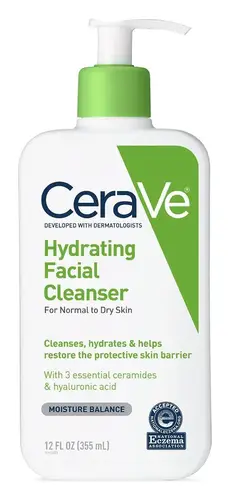
Aveeno Positively Radiant Micellar Gel Cleanser Makeup Remover Versus Paula's Choice Skin Recovery Softening Cream Cleanser
This mild gel cleanser is mild enough to cleanse without leaving skin feeling tight or stripped.
This mild cream cleanser is made to cleanse without leaving your skin tight or dry.

What's inside
What's inside
 Benefits
Concerns
Ingredients Side-by-side
Water
Skin ConditioningSodium Cocoyl Glycinate
Cleansing
Cocamidopropyl Betaine
Cleansing


PEG-80 Sorbitan Laurate
Surfactant
Acrylates/C10-30 Alkyl Acrylate Crosspolymer
Emulsion StabilisingCaprylyl Glycol
Emollient
Sodium Lauroamphoacetate
CleansingEthylhexylglycerin
Skin ConditioningPhenoxyethanol
Preservative
Sodium Hydroxide
BufferingParfum
Masking

Actinidia Chinensis Fruit Water
MaskingTetrasodium EDTA
ChelatingPEG-45m
HumectantButylene Glycol
Humectant

Yeast Extract
Skin ConditioningGlycine Soja Protein
EmulsifyingWater, Sodium Cocoyl Glycinate, Cocamidopropyl Betaine, PEG-80 Sorbitan Laurate, Acrylates/C10-30 Alkyl Acrylate Crosspolymer, Caprylyl Glycol, Sodium Lauroamphoacetate, Ethylhexylglycerin, Phenoxyethanol, Sodium Hydroxide, Parfum, Actinidia Chinensis Fruit Water, Tetrasodium EDTA, PEG-45m, Butylene Glycol, Yeast Extract, Glycine Soja Protein
Water
Skin ConditioningHydrogenated Polydecene
EmollientDisodium Cocoamphodiacetate
CleansingGlycine Soja Oil
Emollient




C12-15 Alkyl Benzoate
AntimicrobialPolysorbate 80
Emulsifying
Laureth-4
Emulsifying
Acrylates/C10-30 Alkyl Acrylate Crosspolymer
Emulsion StabilisingCocamidopropyl Betaine
Cleansing
Chamomilla Recutita Flower Extract
Masking
Beta-Glucan
Skin Conditioning
Paraffinum Liquidum
Emollient
PEG-7 Glyceryl Cocoate
Emulsifying
Butylene Glycol
Humectant
Disodium EDTA
ChelatingSodium Hydroxide
BufferingHexylene Glycol
EmulsifyingCaprylyl Glycol
Emollient
Ethylhexylglycerin
Skin ConditioningPhenoxyethanol
Preservative
Chlorphenesin
Antimicrobial
Water, Hydrogenated Polydecene, Disodium Cocoamphodiacetate, Glycine Soja Oil, C12-15 Alkyl Benzoate, Polysorbate 80, Laureth-4, Acrylates/C10-30 Alkyl Acrylate Crosspolymer, Cocamidopropyl Betaine, Chamomilla Recutita Flower Extract, Beta-Glucan, Paraffinum Liquidum, PEG-7 Glyceryl Cocoate, Butylene Glycol, Disodium EDTA, Sodium Hydroxide, Hexylene Glycol, Caprylyl Glycol, Ethylhexylglycerin, Phenoxyethanol, Chlorphenesin
Reviews
Ingredients Explained
These ingredients are found in both products.
Ingredients higher up in an ingredient list are typically present in a larger amount.
Acrylates/C10-30 Alkyl Acrylate Crosspolymer is a synthetic polymer. It is used to thicken, emulsify, and improve the texture of products.
As an emulsifier, it helps stabilize oil-in-water emulsions to give products an elegant feel when applied.
It can also form a thin protective film on skin. One study found that a formula using this polymer helped slow down how quickly other ingredients (like DEET) were absorbed through skin.
A 2024 study of over 1,300 patients confirmed that sensitization to this ingredient is rare. It is also non-mutagenic and has a clean track record.
Learn more about Acrylates/C10-30 Alkyl Acrylate CrosspolymerButylene Glycol (or BG) is used within cosmetic products for a few different reasons:
Overall, Butylene Glycol is a safe and well-rounded ingredient that works well with other ingredients.
Though this ingredient works well with most skin types, some people with sensitive skin may experience a reaction such as allergic rashes, closed comedones, or itchiness.
Learn more about Butylene GlycolCaprylyl Glycol is a humectant, skin conditioner, emollient, and preservative booster derived from either caprylic acid or synthetically created.
Typical use levels vary from 0.3-1% as a preservative booster and go up to 2% to condition skin.
Because it is not a free-fatty acid, this ingredient is fungal acne safe (there's nothing for Malassezia to feed on).
Learn more about Caprylyl GlycolCocamidopropyl Betaine is a fatty acid created by mixing similar compounds in coconut oil and dimethylaminopropylamine, a compound with two amino groups.
This ingredient is a surfactant and cleanser. It helps gather the dirt, pollutants, and other impurities in your skin to be washed away. It also helps thicken a product and make the texture more creamy.
Being created from coconut oil means Cocamidopropyl Betaine is hydrating for the skin.
While Cocamidopropyl Betaine was believed to be an allergen, a study from 2012 disproved this. It found two compounds in unpure Cocamidopropyl Betaine to be the irritants: aminoamide and 3-dimethylaminopropylamine. High-grade and pure Cocamidopropyl Betaine did not induce allergic reactions during this study.
Learn more about Cocamidopropyl BetaineEthylhexylglycerin is created from glycerin. It is a multitasker ingredient that:
The CIR Expert Panel found minimal skin absorption or sensitization of any kind in a safety assessment. Though this ingredient is considered well-tolerated, a small number of cases of allergic dermatitis have been published since 2002. Just be sure to patch test if you are unsure.
Industry-reported use ranges from 8% in rinse-off products and 2% in leave-on formulations.
Learn more about EthylhexylglycerinPhenoxyethanol is one of the most widely used preservatives in skincare (and for good reason!).
It has a large spectrum of antimicrobial activity and especially effective bacteria, yeast, and mold while only having a weak effect on your skin's natural microbiome.
On a cellular level, it disrupts the cell membranes of microbes by poking holes that make the cell leak. This shuts down the chemical reactions the microbe needs to make energy so it can no longer survive.
Another perk of this ingredient is that it stays functional across a wide pH range (3-10).
You'll often see it paired with boosters like Ethylhexylglycerin; one study showed that a 1:9 ratio of Ethylhexylglycerin to Phenoxyethanol damages bacterial membranes as effectively as doubling the Phenoxyethanol concentration on its own.
Typical use concentrations range from 0.3-1% depending on the formula, and this ingredient is capped at 1% int the EU.
Safety-wise, the fear mongering does not hold up to the evidence. The EU's Scientific Committee on Consumer Safety and FDA consider it safe as a preservative at up to 1%, including for children of all ages.
Adverse systemic effects only showed up in animal studies at exposures roughly 200x higher than what people get from cosmetics. And despite its very widespread use, this ingredient is a rare sensitizer and allergic reactions are uncommon.
Learn more about PhenoxyethanolSodium Hydroxide is also known as lye or caustic soda. It is used to adjust the pH of products; many ingredients require a specific pH to be effective.
In small amounts, sodium hydroxide is considered safe to use. However, large amounts may cause chemical burns due to its high alkaline.
Your skin has a natural pH and acid mantle. This acid mantle helps prevent harmful bacteria from breaking through. The acid mantle also helps keep your skin hydrated.
"Alkaline" refers to a high pH level. A low pH level would be considered acidic.
Learn more about Sodium HydroxideWater. It's the most common cosmetic ingredient of all. You'll usually see it at the top of ingredient lists, meaning that it makes up the largest part of the product.
So why is it so popular? Water most often acts as a solvent - this means that it helps dissolve other ingredients into the formulation.
You'll also recognize water as that liquid we all need to stay alive. If you see this, drink a glass of water. Remember to stay hydrated!
Learn more about Water