
What's inside
What's inside
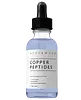 Key Ingredients
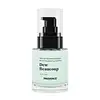
Benefits
Concerns
No concerns
Ingredients Side-by-side
Water
Skin ConditioningSqualane
Emollient


Niacinamide
Smoothing









Glycerin
Humectant
Propanediol
Solvent
Sodium
Acrylates Copolymer
Ectoin
Skin Conditioning
Copper Tripeptide-1
Skin Conditioning
Acetyl Hexapeptide-8
Humectant
Tetrahexyldecyl Ascorbate
Antioxidant

Sodium Hyaluronate
Humectant
Caffeine
Skin Conditioning
Morus Alba Leaf Extract
Skin ConditioningHelichrysum Stoechas Flower Extract
Perfuming
Pinus Pinaster Bark Extract
Antioxidant
Prunus Armeniaca Fruit Extract
Skin ConditioningTerminalia Ferdinandiana Fruit Extract
Antioxidant
Tocopherol
Antioxidant
Melia Azadirachta Flower Extract
Skin ConditioningMelia Azadirachta Leaf Extract
Skin ConditioningCorallina Officinalis Extract
Skin Conditioning
Coccinia Indica Fruit Extract
Skin Conditioning
Solanum Melongena Fruit Extract
Skin ConditioningAloe Barbadensis Flower Extract
EmollientOcimum Sanctum Leaf Extract
Skin ConditioningOcimum Basilicum Flower/Leaf Extract
TonicCurcuma Longa Root Extract
Masking
Lecithin
Emollient
Cetyl Ethylhexanoate
EmollientPolyglyceryl-3 Laurate
EmulsifyingMethyl Glucose Sesquistearate
Emollient

Synthetic Fluorphlogopite
Titanium Dioxide
Cosmetic Colorant

CI 77891
Cosmetic ColorantTin Oxide
Abrasive
Butylene Glycol
Humectant
Hydroxyacetophenone
Antioxidant
Pullulan
Caprylhydroxamic Acid
1,2-Hexanediol
Skin Conditioning
Water, Squalane, Niacinamide, Glycerin, Propanediol, Sodium, Acrylates Copolymer, Ectoin, Copper Tripeptide-1, Acetyl Hexapeptide-8, Tetrahexyldecyl Ascorbate, Sodium Hyaluronate, Caffeine, Morus Alba Leaf Extract, Helichrysum Stoechas Flower Extract, Pinus Pinaster Bark Extract, Prunus Armeniaca Fruit Extract, Terminalia Ferdinandiana Fruit Extract, Tocopherol, Melia Azadirachta Flower Extract, Melia Azadirachta Leaf Extract, Corallina Officinalis Extract, Coccinia Indica Fruit Extract, Solanum Melongena Fruit Extract, Aloe Barbadensis Flower Extract, Ocimum Sanctum Leaf Extract, Ocimum Basilicum Flower/Leaf Extract, Curcuma Longa Root Extract, Lecithin, Cetyl Ethylhexanoate, Polyglyceryl-3 Laurate, Methyl Glucose Sesquistearate, Synthetic Fluorphlogopite, Titanium Dioxide, CI 77891, Tin Oxide, Butylene Glycol, Hydroxyacetophenone, Pullulan, Caprylhydroxamic Acid, 1,2-Hexanediol
Reviews
Ingredients Explained
These ingredients are found in both products.
Ingredients higher up in an ingredient list are typically present in a larger amount.
Copper Tripeptide-1 (GHK-Cu) is a skin repairing ingredient known for its ability to boost collagen, improve firmness, and support skin regeneration.
It is a complex made up of a naturally occurring peptide (glycine-histidine-lysine) and copper, an essential trace element.
While studying wound healing, researchers noticed GHK-Cu stimulated hair follicle enlargement and growth by keeping hair in its active growth phase longer. This has made it a promising ingredient for hair regrowth treatments.
Some people have reported increased facial hair. While GHK-Cu can make your hair follicles bigger, it usually doesn’t turn soft, barely-visible facial hairs into thick, dark ones.
Anecdotal reports suggest that overusing copper peptides might lead to premature aging due to excess free copper or enzyme imbalances. This claim isn’t backed by large-scale studies.
Unfortunately, there are limited human studies for this ingredient. While early results are promising, many studies are either small, in-vitro, or not rigorously controlled.
For example, there is a 1998 study that explored the effects of copper tripeptide, vitamin C, tretinoin, and melatonin on skin repair and collagen synthesis.
After one month, increased procollagen production was seen in 7 out of 10 participants using copper tripeptide (more than those using vitamin C, melatonin, or tretinoin.
While the study was exploratory, it offers early evidence that copper tripeptide may support collagen production. Larger, well-designed trials are still needed to confirm its potential and understand individual responses.
Read more about other common types of peptides here:
Learn more about Copper Tripeptide-1Sodium Hyaluronate is the salt form of hyaluronic acid. It is a long sugar chain that is naturally found in your skin, joints, and connective tissue that maintains hydration and elasticity.
In skincare, it works as a humectant. It pulls water from the environment and deeper layers of skin and binds it to the surface.
Interestingly, the size of the molecule affects its behavior:
Some clinical evidence links low molecular weight versions to improved wrinkle depth, elasticity, anti-inflammatory effects, and barrier repair.
Many serums use a blend of both weights so you can get surface hydration plus longer-lasting and deeper effects.
You'll typically see concentrations between 0.1-2% for this ingredient.
Learn more about Sodium HyaluronateWater. It's the most common cosmetic ingredient of all. You'll usually see it at the top of ingredient lists, meaning that it makes up the largest part of the product.
So why is it so popular? Water most often acts as a solvent - this means that it helps dissolve other ingredients into the formulation.
You'll also recognize water as that liquid we all need to stay alive. If you see this, drink a glass of water. Remember to stay hydrated!
Learn more about Water

