
What's inside
What's inside
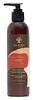 Key Ingredients
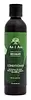
Benefits
Concerns
Ingredients Side-by-side
Water
Skin ConditioningGlycerin
Humectant


Cetearyl Alcohol
Emollient






Cetyl Alcohol
Emollient
Stearamidopropyl Dimethylamine
EmulsifyingButyrospermum Parkii Butter
Skin Conditioning
Cocos Nucifera Oil
Masking

Royal Jelly

Keratin
Skin ConditioningHydrolyzed Keratin
Humectant
Betaine
Humectant
Linum Usitatissimum Seed Extract
Perfuming
Ceteareth-25
CleansingLaureth-23
Cleansing
Tbhq
Antioxidant

Behentrimonium Methosulfate
SurfactantParfum
Masking
Citric Acid
Buffering

Potassium Sorbate
Preservative
Caprylyl Glycol
Emollient
Phenoxyethanol
Preservative
Anise Alcohol
Perfuming
Coumarin
Perfuming
Limonene
Perfuming
Water, Glycerin, Cetearyl Alcohol, Cetyl Alcohol, Stearamidopropyl Dimethylamine, Butyrospermum Parkii Butter, Cocos Nucifera Oil, Royal Jelly, Keratin, Hydrolyzed Keratin, Betaine, Linum Usitatissimum Seed Extract, Ceteareth-25, Laureth-23, Tbhq, Behentrimonium Methosulfate, Parfum, Citric Acid, Potassium Sorbate, Caprylyl Glycol, Phenoxyethanol, Anise Alcohol, Coumarin, Limonene
Water
Skin ConditioningGlycerin
Humectant
Betaine
Humectant
Cetearyl Alcohol
Emollient
Cetyl Alcohol
Emollient
Bis-Octyldodecyl Dimer Dilinoleate/Propanediol Copolymer
EmollientLinum Usitatissimum Seed Extract
Perfuming
Brassicamidopropyl Dimethylamine
Skin ConditioningRosmarinus Officinalis Leaf Oil
Masking
Caffeine
Skin Conditioning
Mentha Piperita Oil
Masking

Serenoa Serrulata Fruit Extract
Skin Conditioning
Ceramide NP
Skin Conditioning

Copper Tripeptide-1
Skin Conditioning
Copper Tripeptide-34
Skin Conditioning
Biotin
AntiseborrhoeicInositol
Humectant
Phytosterols
Skin Conditioning
Menthol
Masking
Melatonin
Antioxidant
Lactic Acid
Buffering


Sarcosine
Skin Conditioning
Polyglyceryl-10 Laurate
Skin Conditioning
Potassium Olivate
EmulsifyingCaprylhydroxamic Acid
ChelatingCaprylyl Glycol
Emollient
Sodium Benzoate
Masking
Potassium Sorbate
Preservative
Water, Glycerin, Betaine, Cetearyl Alcohol, Cetyl Alcohol, Bis-Octyldodecyl Dimer Dilinoleate/Propanediol Copolymer, Linum Usitatissimum Seed Extract, Brassicamidopropyl Dimethylamine, Rosmarinus Officinalis Leaf Oil, Caffeine, Mentha Piperita Oil, Serenoa Serrulata Fruit Extract, Ceramide NP, Copper Tripeptide-1, Copper Tripeptide-34, Biotin, Inositol, Phytosterols, Menthol, Melatonin, Lactic Acid, Sarcosine, Polyglyceryl-10 Laurate, Potassium Olivate, Caprylhydroxamic Acid, Caprylyl Glycol, Sodium Benzoate, Potassium Sorbate
Ingredients Explained
These ingredients are found in both products.
Ingredients higher up in an ingredient list are typically present in a larger amount.
Betaine is a humectant. Like hyaluronic acid, it helps attract and retain moisture in the skin. It’s known for being gentle and for helping the skin maintain balanced hydration.
Betaine is mainly used to improve hydration and support calmer skin. It helps skin cells regulate water balance because it functions as an osmolyte.
Some studies suggest betaine may support making skin tone more even.
Fun fact: Betaine naturally exists in the skin and the body. In cosmetic products, it can be either plant-derived (most commonly from sugar beets) or synthetically produced for consistency and stability.
Betaine is also known as trimethylglycine.
Learn more about BetaineCaprylyl Glycol is a humectant, skin conditioner, emollient, and preservative booster derived from either caprylic acid or synthetically created.
Typical use levels vary from 0.3-1% as a preservative booster and go up to 2% to condition skin.
Because it is not a free-fatty acid, this ingredient is fungal acne safe (there's nothing for Malassezia to feed on).
Learn more about Caprylyl GlycolCetearyl alcohol is a waxy mixture of two fatty alcohols: cetyl alcohol and stearyl alcohol. It is an emollient and emulsifier.
Despite having "alcohol" in its name, it has nothing to do with drying solvent alcohols; the FDA also allows "alcohol-free" products to contain fatty alcohols like this ingredient.
It plays several roles in a formula:
Typical use levels for this ingredient sit around 1-10% and the Cosmetic Ingredient Review Expert Panel has affirmed safety at concentrations up to 25% in leave-on products.
Multiple assessments have found it to be non-irritating and non-sensitizing to most people.
However, there have been some cases of allergic contact dermatitis in patients with chronically compromised skin barriers.
Cetearyl alcohol has a comedogenic rating of 2 and irritancy rating of 1. Both of these numbers come from the 1989 study that used rabbit ears; a "2" means mildly comedogenic and a "1" means low irritancy.
Here's the catch: rabbit skin is more sensitive than human skin and throws a lot of false positives. A 1996 reappraisal found that ingredients rated 1-2 in the rabbit ear tests are generally safe for humans.
Remember comedogenic ratings are unable to assess the entire formula of a product or how it will react on your skin. Just be sure to patch test if you are unsure about certain ingredients.
This ingredient is not fungal acne safe. Cetearyl alcohol is a fatty alcohol with chain lengths that fall within the range that Malassezia can metabolize.
A 2019 study has also observed Malassezia growth in the presence of this ingredient, confirming it to be not-fungal acne safe.
Learn more about Cetearyl AlcoholCetyl Alcohol is a fatty alcohol. Fatty Alcohols are most often used as an emollient or to thicken a product.
Its main roles are:
Though it has "alcohol" in the name, it is not related to denatured alcohol or ethyl alcohol.
The FDA allows products labeled "alcohol-free" to have fatty alcohols.
This ingredient may not be fungal acne safe. It is a primary fatty alcohol with a chain length above 12 carbons. A study from 2019 show Malassezia can feed on fatty alcohols in this range, so it may trigger fungal acne in those prone to it.
Learn more about Cetyl AlcoholGlycerin (or glycerol) is a compound naturally found in your skin. It's a powerhouse humectant that pulls water into the stratum corneum.
Topically, glycerin does several things at once:
Your skin makes glycerin on its own (mostly from sebaceous oil breakdown) and shuttles it to your outermost layer of skin, or your epidermis, via aquaporin-3.
Aquaporin-3 is a transporter that is essential for normal skin hydration, elasticity, and repair. Interestingly, mice lacking in AQP3 have dry and less elastic skin that can be fully corrected with glycerin.
This ingredient is non-irritating, plays well with almost every ingredient, and works across all skin types. Typical use is anywhere between 3-10% but can go up to 79% in some leave-on products.
Just know very high concentrations (>40%) can feel tacky in low humidity.
Glycerin is the name for this ingredient in American English. British English uses Glycerol/Glycerine.
Learn more about GlycerinThis ingredient is also known as flaxseed extract. It has skin conditioning and perfuming properties.
Flaxseed naturally contains polysaccharides (sugars) and small amounts of fatty acid-related compounds to help hydrate the skin. The seed also contains antioxidants being studied for its effects on inflammation pathways.
A small clinical trial found topical flaxseed oil improved hand eczema over the course of 4 weeks. In an animal study, topical flaxseed cream supported wound-healing outcomes.
Overall, flaxseed is a great hydrating and barrier supporting ingredient. Like other plant extracts, some rare cases of allergic reactions can occur.
Though flaxseed has a perfuming function according to INCI, this doesn't mean the ingredient is added as a fragrance. It just means the material can contribute an odor or modify the scent of a formula.
Learn more about Linum Usitatissimum Seed ExtractPotassium Sorbate is a preservative used to prevent yeast and mold in products. It is commonly found in both cosmetic and food products.
This ingredient comes from potassium salt derived from sorbic acid. Sorbic acid is a natural antibiotic and effective against fungus.
Both potassium sorbate and sorbic acid can be found in baked goods, cheeses, dried meats, dried fruit, ice cream, pickles, wine, yogurt, and more.
You'll often find this ingredient used with other preservatives.
Learn more about Potassium SorbateWater. It's the most common cosmetic ingredient of all. You'll usually see it at the top of ingredient lists, meaning that it makes up the largest part of the product.
So why is it so popular? Water most often acts as a solvent - this means that it helps dissolve other ingredients into the formulation.
You'll also recognize water as that liquid we all need to stay alive. If you see this, drink a glass of water. Remember to stay hydrated!
Learn more about Water

