Aromatica Aloe Hy-ffective Cleanser 5% Hyaluronic sol. + 0.1% Enzyme Versus Aromatica Comforting Calendula Cleansing Mousse
This mild foaming cleanser is made to cleanse while calming and soothing your skin.

What's inside
What's inside
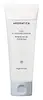 Key Ingredients
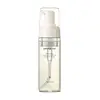
No key ingredients
Benefits
Ingredients Side-by-side
Aloe Barbadensis Leaf Extract
Emollient


Water
Skin ConditioningSodium Methyl Oleoyl Taurate
CleansingLauryl Glucoside
CleansingGlycerin
Humectant

Sodium Chloride
MaskingPanthenol
Skin Conditioning
Sodium Olivate
CleansingChamaecyparis Obtusa Leaf Extract
Skin ConditioningRosa Rugosa Leaf Extract
HumectantCitric Acid
Buffering


Melissa Officinalis Leaf Extract
Skin ConditioningSodium Sweetalmondamphoacetate
Cleansing1,2-Hexanediol
Skin Conditioning
Disodium EDTA
ChelatingPapain
Skin Conditioning
Sodium Hyaluronate
Humectant

Maltodextrin
Absorbent
Propanediol
Solvent
Sodium Hyaluronate Crosspolymer
Humectant
Hydrolyzed Glycosaminoglycans
HumectantBenzyl Glycol
SolventHydrolyzed Hyaluronic Acid
Humectant
Ethylhexylglycerin
Skin ConditioningHyaluronic Acid
Humectant
Raspberry Ketone
Masking

Aloe Barbadensis Leaf Extract, Water, Sodium Methyl Oleoyl Taurate, Lauryl Glucoside, Glycerin, Sodium Chloride, Panthenol, Sodium Olivate, Chamaecyparis Obtusa Leaf Extract, Rosa Rugosa Leaf Extract, Citric Acid, Melissa Officinalis Leaf Extract, Sodium Sweetalmondamphoacetate, 1,2-Hexanediol, Disodium EDTA, Papain, Sodium Hyaluronate, Maltodextrin, Propanediol, Sodium Hyaluronate Crosspolymer, Hydrolyzed Glycosaminoglycans, Benzyl Glycol, Hydrolyzed Hyaluronic Acid, Ethylhexylglycerin, Hyaluronic Acid, Raspberry Ketone
Water 98.8%
Skin ConditioningAloe Barbadensis Leaf Extract
Emollient
Butylene Glycol
Humectant
Sodium Cocoyl Glutamate
Cleansing
Sodium Cocoamphoacetate
CleansingSodium Chloride
MaskingCitric Acid
Buffering
Pentylene Glycol
Skin Conditioning
Glyceryl Caprylate
EmollientSodium Glycolate
BufferingSodium Gluconate
ChelatingGlycerin
Humectant
Calendula Officinalis Flower Extract
Masking
Maltodextrin
Absorbent
Pulsatilla Koreana Extract
Skin ConditioningUsnea Barbata Extract
Water 98.8%, Aloe Barbadensis Leaf Extract, Butylene Glycol, Sodium Cocoyl Glutamate, Sodium Cocoamphoacetate, Sodium Chloride, Citric Acid, Pentylene Glycol, Glyceryl Caprylate, Sodium Glycolate, Sodium Gluconate, Glycerin, Calendula Officinalis Flower Extract, Maltodextrin, Pulsatilla Koreana Extract, Usnea Barbata Extract
Ingredients Explained
These ingredients are found in both products.
Ingredients higher up in an ingredient list are typically present in a larger amount.
Aloe Barbadensis Leaf Extract is a botanical extract pulled from the leaves of aloe vera and one of the most studied plant ingredients in cosmetics.
The inner leaf gel it comes from is mostly water (~99-99.5%) and the remaining fraction is made up of pretty good stuff: polysaccharides, vitamins, phenolics, and enzymes.
Its headline job is hydration.
The star polysaccharide in aloe, acemannan, is a humectant that retains moisture and helps reduce trans-epidermal water loss.
Aloe also has real soothing credentials; it contains anti-inflammatory compounds like bradykinase and C-glucosyl chromone that help calm irritation and redness.
On the repair side, lab work shows that acemannan wakes up your skin's repair cells (fibroblasts), prompting them to multiply and speed up healing.
There's some human data for cosmetic benefit too: a cream containing 10% Aloe Barbadensis leaf extract improved skin hydration and elasticity in a real-use study.
Safety-wise, this ingredient is well-regarded with just one rare downside; there have been some case reports of acute eczema, contact urticaria, and dermatitis in people who applied aloe-derived ingredients topically. Those with a known aloe or Liliaceae sensitivity should patch test.
Typical use levels range widely, from under 1% up to 90%+ depending on the format and the effect you are after.
Learn more about Aloe Barbadensis Leaf ExtractCitric Acid is an alpha hydroxy acid (AHA) naturally found in citrus fruits like oranges, lemons, and limes.
Like other AHAs, citric acid can exfoliate skin by breaking down the bonds that hold dead skin cells together. This helps reveal smoother and brighter skin underneath.
However, this exfoliating effect only happens at high concentrations (20%) which can be hard to find in cosmetic products.
Due to this, citric acid is usually included in small amounts as a pH adjuster. This helps keep products slightly more acidic and compatible with skin's natural pH.
In skincare formulas, citric acid can:
While it can provide some skin benefits, research shows lactic acid and glycolic acid are generally more effective and less irritating exfoliants.
Most citric acid used in skincare today is made by fermenting sugars (usually from molasses). This synthetic version is identical to the natural citrus form but easier to stabilize and use in formulations.
Rosacea skin has a lower threshold for acids generally, with 62.5% of rosacea subjects in one study reacting to lactic acid in a sting test. This is why we mark citric acid as a potential rosacea trigger.
However, this ingredient shows up as a pH adjuster or chelator at roughly 0.1-1% in many products. These low levels are unlikely to be an issue for rosacea skin and becomes a potential trigger at exfoliating concentrations (20%). Because everybody's skin is unique, we recommend a patch test if you are unsure.
Learn more about Citric AcidGlycerin (or glycerol) is a compound naturally found in your skin. It's a powerhouse humectant that pulls water into the stratum corneum.
Topically, glycerin does several things at once:
Your skin makes glycerin on its own (mostly from sebaceous oil breakdown) and shuttles it to your outermost layer of skin, or your epidermis, via aquaporin-3.
Aquaporin-3 is a transporter that is essential for normal skin hydration, elasticity, and repair. Interestingly, mice lacking in AQP3 have dry and less elastic skin that can be fully corrected with glycerin.
This ingredient is non-irritating, plays well with almost every ingredient, and works across all skin types. Typical use is anywhere between 3-10% but can go up to 79% in some leave-on products.
Just know very high concentrations (>40%) can feel tacky in low humidity.
Glycerin is the name for this ingredient in American English. British English uses Glycerol/Glycerine.
Learn more about GlycerinMaltodextrin is a plant-derived carbohydrate made by breaking down starch (usually from corn, potato, or rice). In cosmetic formulas, it's a multitasking absorbent, emulsion stabilizer, and skin conditioner.
This ingredient is mostly used to stabilize emulsions and improve the powdery, non-greasy feel of products (like dry shampoos).
Safety-wise, this ingredient is pretty solid; it's even recognized as a food additive. Both animal and clinical studies found no adverse effects at the levels used in cosmetics.
Industry data shows this ingredient is used up to 45.7% in spray products and up to 33% in powder products.
Learn more about MaltodextrinChances are, you eat sodium chloride every day. Sodium Chloride is also known as table salt. This ingredient has many purposes in skincare: thickener, emulsifier, and exfoliator.
You'll most likely find this ingredient in cleansers where it is used to create a gel-like texture. As an emulsifier, it also prevents ingredients from separating.
You might see people debate whether Sodium Chloride is comedogenic, but there actually haven't been any comedogenic tests done on it. Either way, the overall formulation of a product matters a lot more than any single ingredient.
You might see this ingredient used in scrubs as a primary exfoliating ingredient.
Learn more about Sodium ChlorideWater. It's the most common cosmetic ingredient of all. You'll usually see it at the top of ingredient lists, meaning that it makes up the largest part of the product.
So why is it so popular? Water most often acts as a solvent - this means that it helps dissolve other ingredients into the formulation.
You'll also recognize water as that liquid we all need to stay alive. If you see this, drink a glass of water. Remember to stay hydrated!
Learn more about Water

