This mild foaming cleanser is made to cleanse while calming and soothing your skin.
This mild foaming cleanser is made to cleanse without leaving your skin tight or dry.


What's inside
What's inside
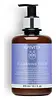 Key Ingredients
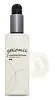
No key ingredients
Benefits
Concerns
Ingredients Side-by-side
Water
Skin ConditioningSodium Lauroyl Glutamate
SurfactantLauryl Glucoside
CleansingSodium Lauroamphoacetate
CleansingCoco-Betaine
Cleansing
PEG-60 Almond Glycerides
Emulsifying

PEG-120 Methyl Glucose Dioleate
Emulsifying
Glycol Distearate
Emollient
Propolis Extract
Skin Conditioning




Lavandula Angustifolia Flower Extract
Cleansing

Olea Europaea Leaf Extract
Perfuming
Rosa Canina Fruit Extract
Astringent

Saponaria Officinalis Leaf Extract
AntimicrobialMagnolia Officinalis Bark Extract
Antimicrobial
Panthenol
Skin Conditioning
Glycerin
Humectant
Ethylhexylglycerin
Skin ConditioningHydroxyacetophenone
Antioxidant
Acrylates/C10-30 Alkyl Acrylate Crosspolymer
Emulsion StabilisingTetrasodium Glutamate Diacetate
Citric Acid
Buffering

Parfum
Masking

Limonene
Perfuming
Linalool
Perfuming
Citronellol
Perfuming
Hexyl Cinnamal
Perfuming
Water, Sodium Lauroyl Glutamate, Lauryl Glucoside, Sodium Lauroamphoacetate, Coco-Betaine, PEG-60 Almond Glycerides, PEG-120 Methyl Glucose Dioleate, Glycol Distearate, Propolis Extract, Lavandula Angustifolia Flower Extract, Olea Europaea Leaf Extract, Rosa Canina Fruit Extract, Saponaria Officinalis Leaf Extract, Magnolia Officinalis Bark Extract, Panthenol, Glycerin, Ethylhexylglycerin, Hydroxyacetophenone, Acrylates/C10-30 Alkyl Acrylate Crosspolymer, Tetrasodium Glutamate Diacetate, Citric Acid, Parfum, Limonene, Linalool, Citronellol, Hexyl Cinnamal
Water
Skin ConditioningSodium Cocoamphoacetate
CleansingSodium Lauroyl Sarcosinate
CleansingGlycerin
Humectant
Lauryl Glucoside
CleansingGlycol Distearate
Emollient
Sodium Cocoyl Glutamate
Cleansing
Sodium Lauryl Glucose Carboxylate
CleansingAlthaea Officinalis Root Extract
Skin Conditioning
Ethylhexylglycerin
Skin ConditioningHexylene Glycol
EmulsifyingLavandula Angustifolia Flower Extract
Cleansing
Linalool
Perfuming
Phenethyl Alcohol
MaskingPhoenix Dactylifera Fruit Extract
EmollientPEG-150 Distearate
Emulsifying
Salix Alba Bark Extract
Astringent
Water, Sodium Cocoamphoacetate, Sodium Lauroyl Sarcosinate, Glycerin, Lauryl Glucoside, Glycol Distearate, Sodium Cocoyl Glutamate, Sodium Lauryl Glucose Carboxylate, Althaea Officinalis Root Extract, Ethylhexylglycerin, Hexylene Glycol, Lavandula Angustifolia Flower Extract, Linalool, Phenethyl Alcohol, Phoenix Dactylifera Fruit Extract, PEG-150 Distearate, Salix Alba Bark Extract
Reviews
Ingredients Explained
These ingredients are found in both products.
Ingredients higher up in an ingredient list are typically present in a larger amount.
Ethylhexylglycerin is created from glycerin. It is a multitasker ingredient that:
The CIR Expert Panel found minimal skin absorption or sensitization of any kind in a safety assessment. Though this ingredient is considered well-tolerated, a small number of cases of allergic dermatitis have been published since 2002. Just be sure to patch test if you are unsure.
Industry-reported use ranges from 8% in rinse-off products and 2% in leave-on formulations.
Learn more about EthylhexylglycerinGlycerin (or glycerol) is a compound naturally found in your skin. It's a powerhouse humectant that pulls water into the stratum corneum.
Topically, glycerin does several things at once:
Your skin makes glycerin on its own (mostly from sebaceous oil breakdown) and shuttles it to your outermost layer of skin, or your epidermis, via aquaporin-3.
Aquaporin-3 is a transporter that is essential for normal skin hydration, elasticity, and repair. Interestingly, mice lacking in AQP3 have dry and less elastic skin that can be fully corrected with glycerin.
This ingredient is non-irritating, plays well with almost every ingredient, and works across all skin types. Typical use is anywhere between 3-10% but can go up to 79% in some leave-on products.
Just know very high concentrations (>40%) can feel tacky in low humidity.
Glycerin is the name for this ingredient in American English. British English uses Glycerol/Glycerine.
Learn more about GlycerinGlycol Distearate is an emulsifier and emollient that adds a "pearly" appearance to formulations.
That lustrous look you see in many shampoos is due to this ingredient: when cooled, it crystallizes into small platelets that reflect light to give products that rich, shimmering look.
This ingredient is considered safe at present practices of use and concentration and repeated insult patch test with 50% Glycol Distearate on 125 subjects found no evidence of skin irritation, hypersensitivity, or acute toxicity.
Typical use concentrations range from 0.1-10%.
Because it's an ester of stearic acid, it falls into the range that Malassezia likes to metabolize. This ingredient may not be fungal acne safe.
Learn more about Glycol DistearateLauryl Glucoside sugar- and lipid-based cleansing agent. It is created from glucose and lauryl alcohol.
This ingredient is a surfactant, making it easier to rinse oil, dirt, and other pollutants away.
A British study found lauryl glucoside to cause skin sensitivity for some people. We recommend speaking with a professional if you have concerns.
Other names for this ingredient include "Lauryl Polyglucose", "Lauryl glycoside", and "D-Glucopyranoside".
Learn more about Lauryl GlucosideLavandula Angustifolia Flower Extract comes from the lavender plant.
Many components of lavender flowers are antioxidants, such as ferulic acid, caffeic acid, and several flavonoids.
Traditional Iranian folk medicine uses Lavender extract to help treat inflammation.
Lavender extract may have a scent.
It contains linalool, a known allergen. However, lavender extract contains less linalool than lavender essential oil.
Learn more about Lavandula Angustifolia Flower ExtractLinalool is a fragrance and helps add scent to products. It's derived from common plants such as cinnamon, mint, citrus, and lavender.
Like Limonene, this ingredient oxidizes when exposed to air. Oxidized linalool can cause allergies and skin sensitivity.
This ingredient has a scent that is floral, spicy tropical, and citrus-like.
Learn more about LinaloolWater. It's the most common cosmetic ingredient of all. You'll usually see it at the top of ingredient lists, meaning that it makes up the largest part of the product.
So why is it so popular? Water most often acts as a solvent - this means that it helps dissolve other ingredients into the formulation.
You'll also recognize water as that liquid we all need to stay alive. If you see this, drink a glass of water. Remember to stay hydrated!
Learn more about Water

