This hydrating toner is formulated around Betula Platyphylla Japonica Juice and Allantoin to hydrate skin and strengthen the skin barrier.
This hydrating toner is formulated around Betula Platyphylla Japonica Juice and Sodium Hyaluronate to hydrate skin and strengthen the skin barrier.

What's inside
What's inside
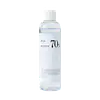 Key Ingredients
Benefits
Ingredients Side-by-side
Betula Platyphylla Japonica Juice 70%
Skin Conditioning
Dipropylene Glycol
HumectantGlycerin
Humectant

1,2-Hexanediol
Skin Conditioning
Methylpropanediol
SolventBetaine
Humectant
Allantoin
Skin Conditioning
Cucumis Sativus Fruit Extract
Emollient
Gluconic Acid
Chelating



Hydrolyzed Hyaluronic Acid
Humectant
Hyaluronic Acid
Humectant
Sodium Hyaluronate
Humectant
Sodium Hyaluronate Crosspolymer
Humectant
Hydrolyzed Glycosaminoglycans
HumectantButylene Glycol
Humectant
Gardenia Florida Fruit Extract
Skin ConditioningIsopentyldiol
Humectant
Acrylates/C10-30 Alkyl Acrylate Crosspolymer
Emulsion StabilisingTromethamine
BufferingCitric Acid
Buffering

Propanediol
Solvent
Benzyl Glycol
SolventEthylhexylglycerin
Skin ConditioningRaspberry Ketone
Masking

Betula Platyphylla Japonica Juice 70%, Dipropylene Glycol, Glycerin, 1,2-Hexanediol, Methylpropanediol, Betaine, Allantoin, Cucumis Sativus Fruit Extract, Gluconic Acid, Hydrolyzed Hyaluronic Acid, Hyaluronic Acid, Sodium Hyaluronate, Sodium Hyaluronate Crosspolymer, Hydrolyzed Glycosaminoglycans, Butylene Glycol, Gardenia Florida Fruit Extract, Isopentyldiol, Acrylates/C10-30 Alkyl Acrylate Crosspolymer, Tromethamine, Citric Acid, Propanediol, Benzyl Glycol, Ethylhexylglycerin, Raspberry Ketone
Water
Skin ConditioningGlycerin
Humectant
Propanediol
Solvent
Glycereth-26
Humectant
Pentylene Glycol
Skin Conditioning
Betula Platyphylla Japonica Juice
Skin Conditioning
1,2-Hexanediol
Skin Conditioning
Chondrus Crispus Extract
Skin Conditioning
Saccharum Officinarum Extract
MoisturisingSodium Hyaluronate
Humectant
Hyaluronic Acid
Humectant
Panthenol
Skin Conditioning
Tromethamine
BufferingDipotassium Glycyrrhizate
Humectant
Glyceryl Caprylate
EmollientGlyceryl Glucoside
Humectant
Butylene Glycol
Humectant
Ascorbic Acid
Antioxidant


Carbomer
Emulsion StabilisingXanthan Gum
EmulsifyingDisodium EDTA
ChelatingWater, Glycerin, Propanediol, Glycereth-26, Pentylene Glycol, Betula Platyphylla Japonica Juice, 1,2-Hexanediol, Chondrus Crispus Extract, Saccharum Officinarum Extract, Sodium Hyaluronate, Hyaluronic Acid, Panthenol, Tromethamine, Dipotassium Glycyrrhizate, Glyceryl Caprylate, Glyceryl Glucoside, Butylene Glycol, Ascorbic Acid, Carbomer, Xanthan Gum, Disodium EDTA
Reviews
Ingredients Explained
These ingredients are found in both products.
Ingredients higher up in an ingredient list are typically present in a larger amount.
1,2-Hexanediol is a synthetic liquid and another multi-functional powerhouse.
It is a:
- Humectant, drawing moisture into the skin
- Emollient, helping to soften skin
- Solvent, dispersing and stabilizing formulas
- Preservative booster, enhancing the antimicrobial activity of other preservatives
Betula Platyphylla Japonica Juice is the sap of the Asian White Birch tree. Birch juice has antioxidant, hydrating, and soothing properties.
The high content of amino acids, sugars, and minerals provide the skin with moisture. On top of that, it contains Vitamins C and B (niacinamide). These two superstar ingredients protect your skin while reducing dark spots.
This white birch is currently being studied for potential anti-cancer properties. It has been used in traditional Asian medicine to help treat infections.
Learn more about Betula Platyphylla Japonica JuiceButylene Glycol (or BG) is used within cosmetic products for a few different reasons:
Overall, Butylene Glycol is a safe and well-rounded ingredient that works well with other ingredients.
Though this ingredient works well with most skin types, some people with sensitive skin may experience a reaction such as allergic rashes, closed comedones, or itchiness.
Learn more about Butylene GlycolGlycerin (or glycerol) is a compound naturally found in your skin. It's a powerhouse humectant that pulls water into the stratum corneum.
Topically, glycerin does several things at once:
Your skin makes glycerin on its own (mostly from sebaceous oil breakdown) and shuttles it to your outermost layer of skin, or your epidermis, via aquaporin-3.
Aquaporin-3 is a transporter that is essential for normal skin hydration, elasticity, and repair. Interestingly, mice lacking in AQP3 have dry and less elastic skin that can be fully corrected with glycerin.
This ingredient is non-irritating, plays well with almost every ingredient, and works across all skin types. Typical use is anywhere between 3-10% but can go up to 79% in some leave-on products.
Just know very high concentrations (>40%) can feel tacky in low humidity.
Glycerin is the name for this ingredient in American English. British English uses Glycerol/Glycerine.
Learn more about GlycerinHyaluronic acid (HA) is a glycosaminoglycan (basically a long sugar chain) that your skin already makes on its own. In your skin, HA lives in the extracellular matrix and acts as the body's moisture reservoir.
Topically, HA is a humectant that binds water and helps skin look more plump, smooth, and hydrated.
The only catch is that HA isn't a single thing; it actually comes in a wide range of molecular weights (~50 - 2,000+ kDA) and size matters.
Some clinical evidence links low molecular weight versions to improved wrinkle depth, elasticity, anti-inflammatory effects, and barrier repair.
This is why the best HA serums blend the two sizes together so you get the best of both worlds.
The majority of cosmetic HA is produced by bacterial fermentation, typically using Streptococcus or Bacillus strains. Typical use levels in skincare sit around 0.1-2%.
A clinical study using a 0.2% low-molecular weight HA gel showed improvement in facial seborrheic dermatitis with excellent tolerance.
These are some other common types of Hyaluronic Acid:
Learn more about Hyaluronic AcidPropanediol is an all-star ingredient. It softens, hydrates, and smooths the skin.
It’s often used to:
Propanediol is not likely to cause sensitivity and considered safe to use. It is derived from corn or petroleum with a clear color and no scent.
Learn more about PropanediolSodium Hyaluronate is the salt form of hyaluronic acid. It is a long sugar chain that is naturally found in your skin, joints, and connective tissue that maintains hydration and elasticity.
In skincare, it works as a humectant. It pulls water from the environment and deeper layers of skin and binds it to the surface.
Interestingly, the size of the molecule affects its behavior:
Some clinical evidence links low molecular weight versions to improved wrinkle depth, elasticity, anti-inflammatory effects, and barrier repair.
Many serums use a blend of both weights so you can get surface hydration plus longer-lasting and deeper effects.
You'll typically see concentrations between 0.1-2% for this ingredient.
Learn more about Sodium HyaluronateTromethamine (aka THAM) is a synthetic amino acid that shows up in skincare as a helper ingredient.
It functions as a pH adjuster to help neutralize acidic ingredients and set a formula's pH to the right spot.
This matters a lot because a lot of actives (like vitamin C) needs a specific pH to work well and feel comfortable on skin.
Concentration use ranges from 0.1-1.0% depending on the formula.
Learn more about Tromethamine

