

What's inside
What's inside
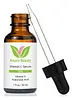 Key Ingredients
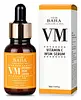
Benefits
Concerns
Ingredients Side-by-side
Water
Skin ConditioningAloe Barbadensis Leaf Juice
Skin Conditioning


Sodium Ascorbyl Phosphate
Antioxidant






Dimethyl Sulfone
SolventCassia Angustifolia Seed Polysaccharide
Skin ConditioningHamamelis Virginiana Water
Astringent



Carbomer
Emulsion StabilisingArginine
Masking
Glycerin
Humectant
Simmondsia Chinensis Seed Oil
Emollient

Tocopheryl Acetate
Antioxidant
Centella Asiatica Extract
Cleansing
Equisetum Arvense Extract
AstringentGeranium Maculatum Extract
TonicTaraxacum Officinale Extract
Skin ConditioningPhenoxyethanol
Preservative
Ethylhexylglycerin
Skin ConditioningWater, Aloe Barbadensis Leaf Juice, Sodium Ascorbyl Phosphate, Dimethyl Sulfone, Cassia Angustifolia Seed Polysaccharide, Hamamelis Virginiana Water, Carbomer, Arginine, Glycerin, Simmondsia Chinensis Seed Oil, Tocopheryl Acetate, Centella Asiatica Extract, Equisetum Arvense Extract, Geranium Maculatum Extract, Taraxacum Officinale Extract, Phenoxyethanol, Ethylhexylglycerin
Aloe Barbadensis Leaf Extract
Emollient
Propanediol
Solvent
Sodium Ascorbyl Phosphate
Antioxidant
Glycereth-26
Humectant
Dimethyl Sulfone
Solvent1,2-Hexanediol
Skin Conditioning
Betaine
Humectant
Hydrogenated Lecithin
Emulsifying
Tocopheryl Acetate
Antioxidant
Ferulic Acid
Antimicrobial
Allantoin
Skin Conditioning
Sodium Hyaluronate
Humectant
Dipotassium Glycyrrhizate
Humectant
Hydroxyethylcellulose
Emulsion StabilisingXanthan Gum
EmulsifyingCitric Acid
Buffering
Camellia Sinensis Leaf Extract
Antimicrobial
Sambucus Nigra Flower Extract
RefreshingMomordica Charantia Fruit Extract
Skin ConditioningLeontopodium Alpinum Extract
Skin ConditioningAloe Barbadensis Leaf Extract, Propanediol, Sodium Ascorbyl Phosphate, Glycereth-26, Dimethyl Sulfone, 1,2-Hexanediol, Betaine, Hydrogenated Lecithin, Tocopheryl Acetate, Ferulic Acid, Allantoin, Sodium Hyaluronate, Dipotassium Glycyrrhizate, Hydroxyethylcellulose, Xanthan Gum, Citric Acid, Camellia Sinensis Leaf Extract, Sambucus Nigra Flower Extract, Momordica Charantia Fruit Extract, Leontopodium Alpinum Extract
Reviews
Ingredients Explained
These ingredients are found in both products.
Ingredients higher up in an ingredient list are typically present in a larger amount.
Dimethyl Sulfone is an organic compound that naturally contains sulfur. It is used as a solvent due to its stability. Solvents help mix and stabilize other ingredients.
Studies show taking Dimethyl Sulfone (also known as methylsulfonylmethane or MSM) orally may help reduce the depth of wrinkles. We recommend speaking with a professional if you have any questions or concerns about this ingredient.
Sodium Ascorbyl Phosphate (SAP) is a water-soluble form of Vitamin C. It is the salt of ascorbic acid.
This ingredient is commonly used in skincare because it's more formulation-stable while still offering the same benefits as pure ascorbic acid. Ascorbic acid is notorious for breaking down when exposed to sunlight and oxygen whereas SAP has been shown to be more stable.
Studies show SAP has anti-acne and antioxidant benefits. One study found 5% of SAP lotion to be an effective ingredient for treating acne vulgaris. This is because research shows that SAP may help control acne by reducing acne-causing bacteria and slowing the oxidation of skin oils caused by UV exposure.
In addition to acne, vitamin C is important for skin structure. Lab studies suggest SAP may support collagen production in skin cells, making it a great ingredient in anti-aging routines.
Vitamin C has many benefits: it helps reduce redness, improve skin texture, fade the appearance of dark spots, and brighten the skin.
Read more about other types of Vitamin C:
Learn more about Sodium Ascorbyl PhosphateTocopheryl Acetate is a stable, shelf-friendly form of vitamin E.
Formulators love it because plain vitamin E oxidizes quickly once it hits air. This acetate version stays stable and resists going off, helping to extend a product's shelf life.
It's actually inactive on its own and works like a slow-release "storage" form; the enzymes in your skin called esterases gradually convert it into active vitamin E over time.
One in vivo study showed 5% of the acetate in the living layer of the epidermis converted to vitamin E after 5 days of application. This study also found the skin gained protection against UV damage even though the conversion was slow and small.
Once converted, vitamin E acts as a skin's main fat-soluble antioxidant that fights free radicals to protect skin from damage.
Topical vitamin E generally boosts the skin's photoprotection, and it reduced UV-damage in animal models.
This ingredient has some brightening potential but it's more of a prevention ingredient than spot-fader. Cell studies show it can slow down melanin production but it's worth noting that it's not the most powerful brightener out there.
Overall, it has a pretty solid safety profile and has been found to be non-irritating and non-comedogenic. Allergic reactions may happen but stay rare due to how widely the ingredient gets used.
The concentration will vary depending on the formula; industry data shows 0.1% in baby lotions, 3% in lipsticks, and 5% in foot powders. You can also find this ingredient at 100% in a pure vitamin E oil.
Most leave-on skincare keeps it at the lower end, often between 0.5-1%.
Learn more about Tocopheryl Acetate

