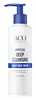
This salicylic acid foaming cleanser is formulated around Salicylic Acid to clear breakouts and unclog pores.
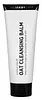
This oil-based makeup remover is made to dissolve makeup, sunscreen, and daily buildup.


What's inside
What's inside
 Key Ingredients
Benefits
Concerns
Ingredients Side-by-side
Water
Skin ConditioningSodium Laureth Sulfate
Cleansing



Cocamidopropyl Betaine
Cleansing

Disodium Laureth Sulfosuccinate
CleansingPEG-7 Glyceryl Cocoate
Emulsifying
Salicylic Acid
Masking






Sodium Chloride
MaskingGlycerin
Humectant


Laureth-3
EmulsifyingSodium Hydroxide
BufferingPEG-150 Distearate
Emulsifying
PEG-3 Distearate
Emulsifying
Ascorbyl Palmitate
Antioxidant

Piroctone Olamine
Preservative
Benzoic Acid
Masking
Sodium Benzoate
Masking
Parfum
Masking

Prunus Amygdalus Dulcis Oil
Skin Conditioning

Cetearyl Alcohol
Emollient

PEG-6 Caprylic/Capric Glycerides
EmulsifyingAvena Sativa Kernel Oil
Skin Conditioning

Candelilla Cera
Emollient
Silica
Abrasive
Sorbitan Stearate
Emulsifying
Tribehenin
Emollient
PEG-60 Almond Glycerides
Emulsifying
Avena Sativa Kernel Flour
Abrasive
Water
Skin ConditioningBenzyl Alcohol
Perfuming

Phenoxyethanol
Preservative
Lecithin
Emollient
1,2-Hexanediol
Skin Conditioning
Ascorbyl Palmitate
Antioxidant
Tocopherol
Antioxidant


Biosaccharide Gum-4
Skin Conditioning
Helianthus Annuus Seed Oil
Emollient
Prunus Amygdalus Dulcis Oil, Cetearyl Alcohol, PEG-6 Caprylic/Capric Glycerides, Avena Sativa Kernel Oil, Candelilla Cera, Silica, Sorbitan Stearate, Tribehenin, PEG-60 Almond Glycerides, Avena Sativa Kernel Flour, Water, Benzyl Alcohol, Phenoxyethanol, Lecithin, 1,2-Hexanediol, Ascorbyl Palmitate, Tocopherol, Biosaccharide Gum-4, Helianthus Annuus Seed Oil
Reviews
Ingredients Explained
These ingredients are found in both products.
Ingredients higher up in an ingredient list are typically present in a larger amount.
Ascorbyl Palmitate is a fat-soluble form of vitamin C (Ascorbic Acid) made by combining it with palmitic acid.
It is able to blend easily into creams and oil-based formulas because it dissolves in oils rather than water.
As you may know, regular vitamin C is notorious for breaking down when exposed to sunlight and air. Ascorbyl Palmitate is more stable and degrades at a slower rate.
Research on whether it converts efficiently into active vitamin C once it's applied on your skin is still limited.
Some in-vitro studies suggest it may support collagen production, but it is not considered one of the stronger vitamin C derivatives, like:
Due to the palmitic acid base, this ingredient may not be fungal acne safe. Comedogenic studies have also shown this ingredient to have a rating of 2.
It's also worth keeping in mind that comedogenic and irritancy ratings are tested on individual ingredients, not finished formulas. The final product's formulation, concentration, and other ingredients all play a role in how something actually behaves on your skin.
Learn more about Ascorbyl PalmitateWater. It's the most common cosmetic ingredient of all. You'll usually see it at the top of ingredient lists, meaning that it makes up the largest part of the product.
So why is it so popular? Water most often acts as a solvent - this means that it helps dissolve other ingredients into the formulation.
You'll also recognize water as that liquid we all need to stay alive. If you see this, drink a glass of water. Remember to stay hydrated!
Learn more about Water

